Death Stranding finished. What an amazing experience. Now time to platinum it. 😅💚
Page 65 of 211
Posts by David Peach
8th December 2019
19th November 2019
Getting me through the worst job
18th November 2019
Summer time graduation trip
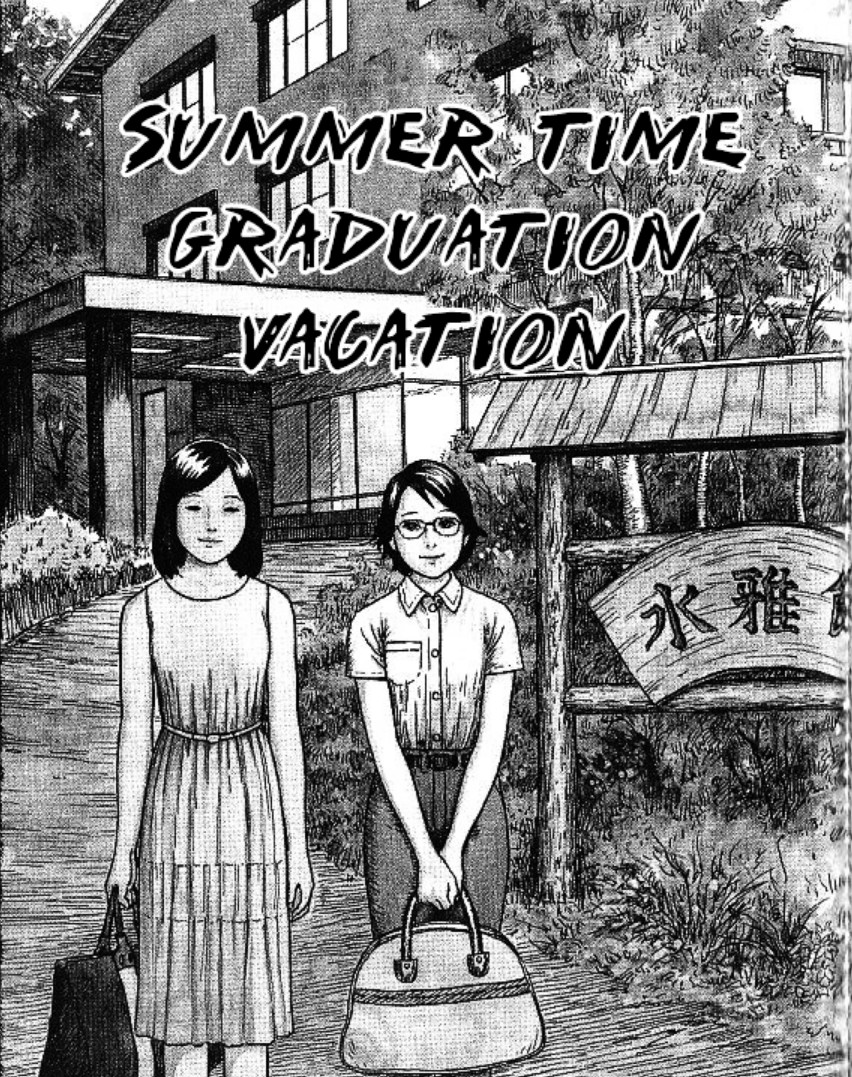
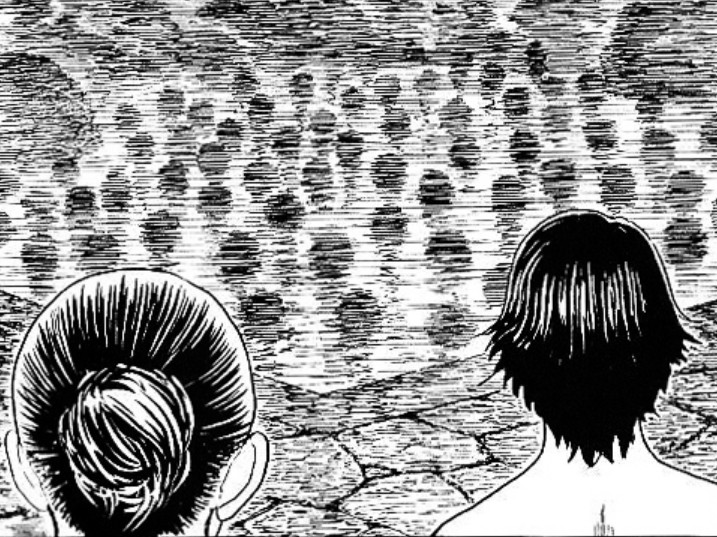
Not a single person speaking… And during the whole time we were there, not a single person got up…
Hezi describes her experience in the bath house
Summer time graduation trip — synopsis
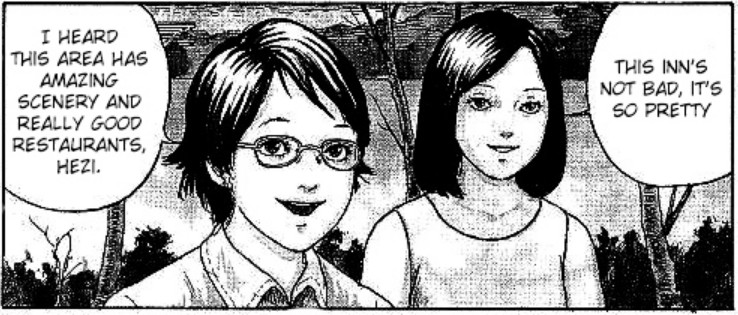
A woman recalls her time after her graduation thirty years ago. During that time, she and a friend took a trip to a holiday inn towards the north-west of the country. The place was relaxing and surrounded by beautiful scenery. However, hidden beneath the inn was a bath house with an eerie secret.
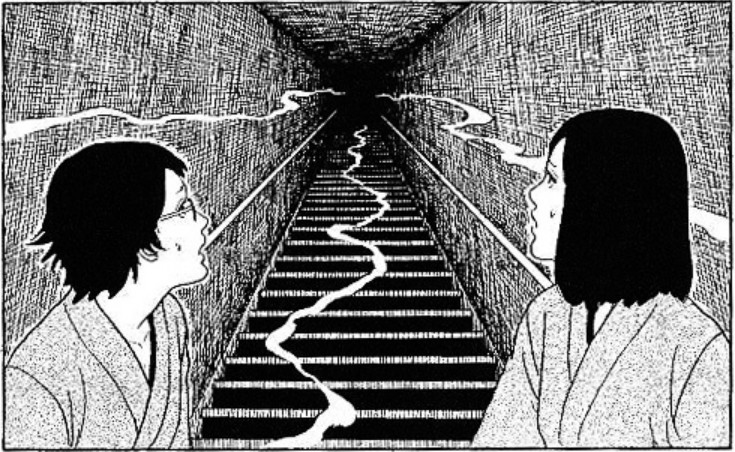
On arriving at the inn, the pair decide to investigate the local facilities — first on their list was the bathhouse. As they descend the steps towards the bathhouse below, they notice how the stairwell seems to take far longer than it should do to get down. In fact, the further they go down, the darker the bottom seems. Then as they look back up the way they came, nothing but darkness there too.
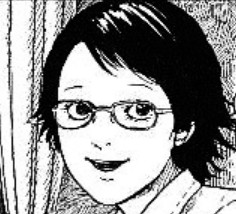
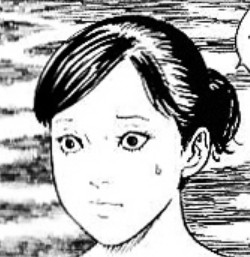
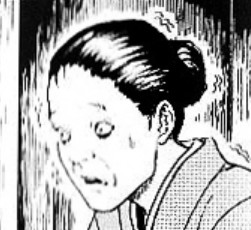
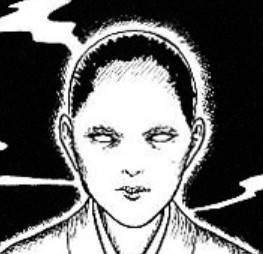
Before long, they pass a strange woman who is walking towards them up the steps. This woman is lit only by a small lantern she is carrying. She nods to them that they are heading in the correct direction to the bathhouse. Then as if by magic, they are at the foot of the steps, feeling the steam from the bath behind the door.
The main character then takes off her glasses before entering the large bath, severely limiting her vision. It is one of those large public steam baths. Sat in the water, she can make out shapes of people close to her, but can make out none of their facial features. She just sees shapes and shadows in the steamy water around her.
Suddenly, her friend Hezi taps her on the shoulder and urges her out of the water and to leave with her immediately. But what did Hezi, with her much more attuned eyesight, see in the bath’s waters? What was it that the main character could not see? And just who was that mysterious figure in the stairwell?
Almost a ghost story
At first read, I couldn’t really think of how to approach writing about Summer time graduation trip. You see, it kind of ends just as it seems to begin. We get introduced to the location of the inn, then we see the mysterious lady who passes them in the hall. Following that we get the reveal of the strange people in the bath, all with their heads facing away from the girls. And then just as the inn worker seems to be about to reveal a clue to move the story along, it ends.
After reading some comments by others, I was introduced to the idea that this could actually be a troll ghost story. In fact, it’s a ghost story where the characters actually make smart decisions and get out before anything bad happens to them. If the story had taken a normal route, then perhaps the maid would have revealed a history of the building and the origins of the lady on the stairs. This would probably have led to some investigation, followed by some trouble with ghosts.
But what’s almost funny is, is the girl just stops the maid in her tracks and screams “Never mind, Ma’am! […] If we continued to listen to her, it might turn out to be really scary, right?”. In fact, the more I think about this story, the more I’m convinced that it is in fact a comedy. But it’s only a comedy in the punchline, like a dry-witted comedian who you didn’t realise was telling a joke until you find youself laughing at the end.
Lost potential?
Although I respect Junji Ito for taking a chance on the story in how he ended it, I cant help but want more of the story revealed. If only the girls had taken the other route, and pursued a line of enquiry that would have inevitably meant risking their lives and possibly their sanity.
I loved the imagery of the bath house full of people too, all with their backs to the girls. We are left to wonder whether they are perhaps disfigured or dead… or both. Maybe it’s like a nightmare where if they are turned around they would reveal nothing more than the backs of their heads once again.
And that lady on the stairs too. She seemed like an interesting chaarcter, carrying her small lantern and apparently disappearing up the steps behind them. What was her purpose? Was she some kind of overseer of the dead below? Was she evil? Good? Or maybe an impartial lost spirit just searching for rest?
Maybe it was all some lost potential for a longer tale? Or maybe it was further strokes of genius from Junji Ito, in letting us imagine for ourselves just what was happening at that inn.
In Conclusion
Summer time graduation trip is one of Junji Ito’s manga stories that has had to take time to grow on me. I don’t think I really “got it” on first reading. I may have even thought I didn’t have the complete version — I don’t remember. But it has grown on me and even makes me smile when I think about the ending to this one.
It’s a risky choice to write a ghost story but then end it before any meaty ghost encounters occur, but if there’s one thing I’ve come to expect from the master is that he isn’t afraid to take some chances. If you want gory or ghosts, or people with seemingly doomed fates, then you can find those aplenty amongst his other works.
However, with Summer time graduation trip what you are getting is, as I believe, a tongue-in-cheek ghost story. I can even picture Ito watching your reaction as you approach the end, just to see if you get it. I mean, I could be completely way off, but these are just my opinions. Let me know in the comments if you have any other takes on this one.
14th November 2019
Mountain of Gods: Precipice of the Unknown
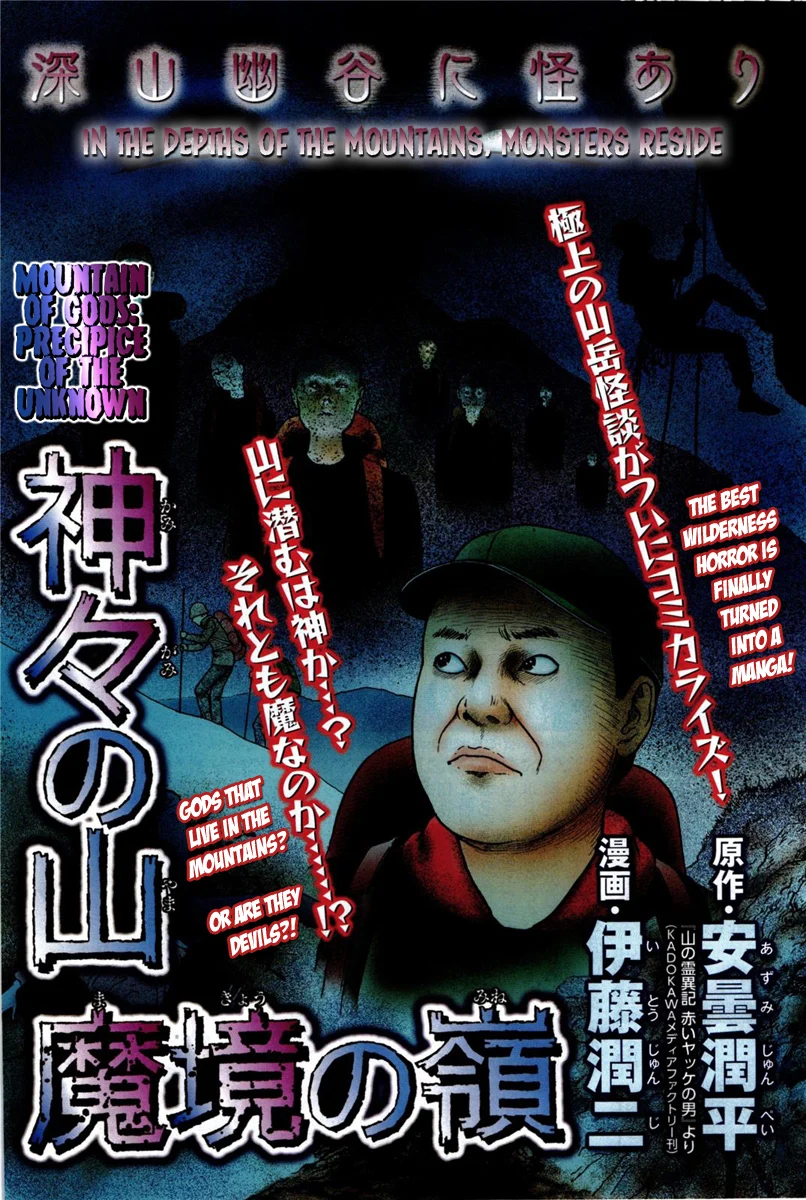
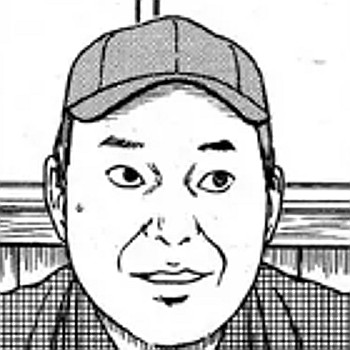
That man wasn’t smiling. He was sneering at me with immense hatred.
Ishida describes his encounter with The Sneering Man
Mountain of Gods — Synopsis
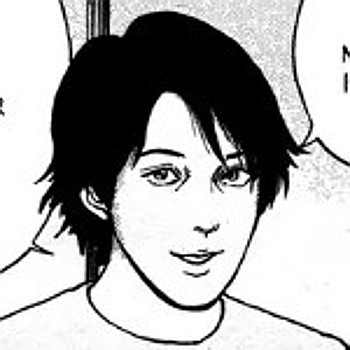
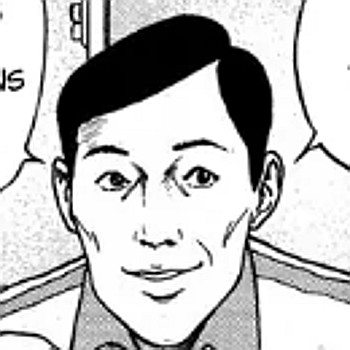
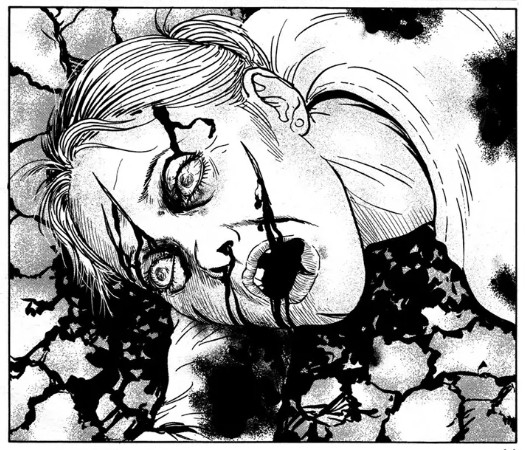
This story tells of three hikers who are comparing their past hikes with one another. However, the story soon veers into the spooky as the subject of a recently-missing woman hiker comes into the conversation. All that they know is that she went out hiking from the same cabin they now sit in, happy as can be – according to the cabin manager, but who was discovered dead at the foot of a snowy drop.
This brings to mind eerie encounters that each of them has had on their past hikes, which they each describe in turn. One tells of becoming alone on a mountain-top path before seeing a very thin, sneering man coming towards him at an unnatural pace. Another tells of a similar face pressing its way through his tent, Freddy Krueger style.
But will the mystery of this sneering man (is it even a man?) or the death of the lady hiker ever be solved?
Ghost stories
I think that this story is supposed to do what nearly all ghost stories do. It tells of an unnatural occurrence with some malevolent force, but never gives any explanation of it. This is told purely from the perspective of the hikers in the cabin and their own memories and imaginations on what they think could have happened. We are left to wonder whether there even is such a person as the sneering man, or whether it is a common hallucination from being up so high in the altitude.
It felt almost light in content when I first read it, partially due to the static nature of the main characters. But as I re-read it multiple times, the grimacing face of the sneering man began to grow on me. And once I learned it was actually part of a larger anthology from multiple artists, it all came together. Although I do enjoy this for what it is, a short ghost story about a hiking urban legend, I believe that it would sit much better when read along with the other stories in its collection.
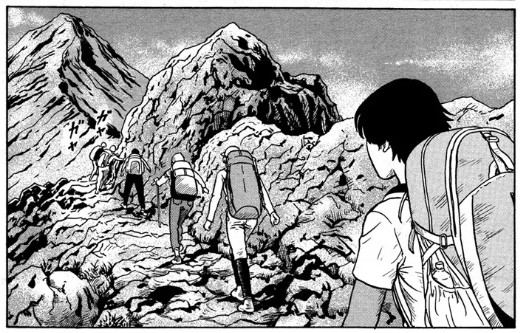
I haven’t been able to find any of the other chapters from the Yama Kaidan anthology. All I know is that it is a collection of mountain-related ghost stories about gods or demons that could live in the mountains. If you find any of the other chapters, please do let me know in the comments below. Thank You. 🙂
The Sneering Man
The Sneering man, like Fuchi from Fashion Model, is a character that I would love to see much more of. It’s almost teasing that we get the short glimpses of this person in Mountain of Gods.
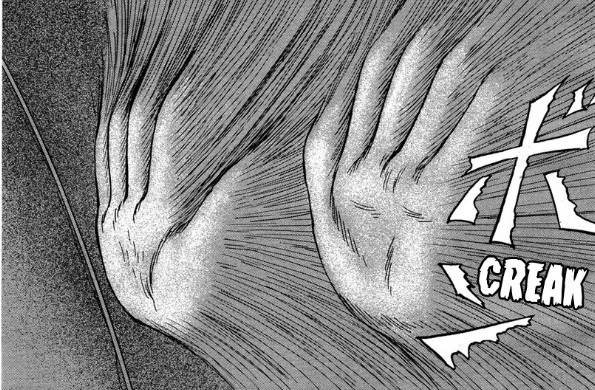
Despite this being a lesser-known Junji Ito work, I think it is one of the best examples I’ve seen of him slowly revealing horror on the page. If you look at the first glimpses of the sneering man, and the switching between it and Ishida as they get closer, the way in which the true nature of the strange figure is revealed is incredible. The way that the smile reveals slight arching in the corners of the mouth as it comes into focus. The darkening of the facial features as the distance between them shortens. Then that horrific grimacing full-page face that almost scares you out of your seat.
A big part of me is always glad when a menacing figure such as this remains mysterious. There’s nothing worse than having everything explained to you when your own imagination can be so much scarier at times. But there is a small part of me that would kind of like to know where this sneering man came from.
In Conclusion
Mountain of Gods: Precipice of the Unknown is a great short story to give you the creeps before bed time. The character of the Sneering man will surely stick with you after reading — I think that face is almost etched on the back of my eyelids. 😀
Due to it’s minimal graphic horror, I think this would be perhaps a good introduction to Junji Ito’s work, for those who haven’t read his stuff before. I mean, it in no way represents the crazy imagination that you will find in say, Uzumaki or Tomie. But if you are looking to tread lightly into Ito’s world, this could be a good choice for you.
I’ve only been able to find this story in a translated version for my own language on Manga Rock. But please always support Junji Ito where you can by buying his official works.
Be careful when you go out walking…
12th November 2019
Jack in the box (Uzumaki part 7)
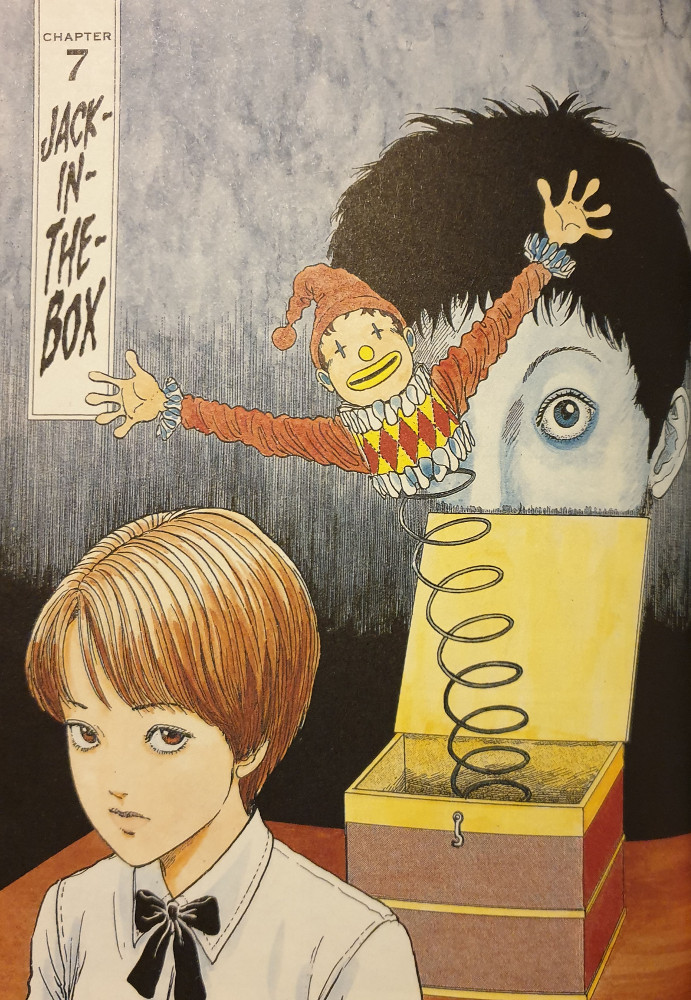
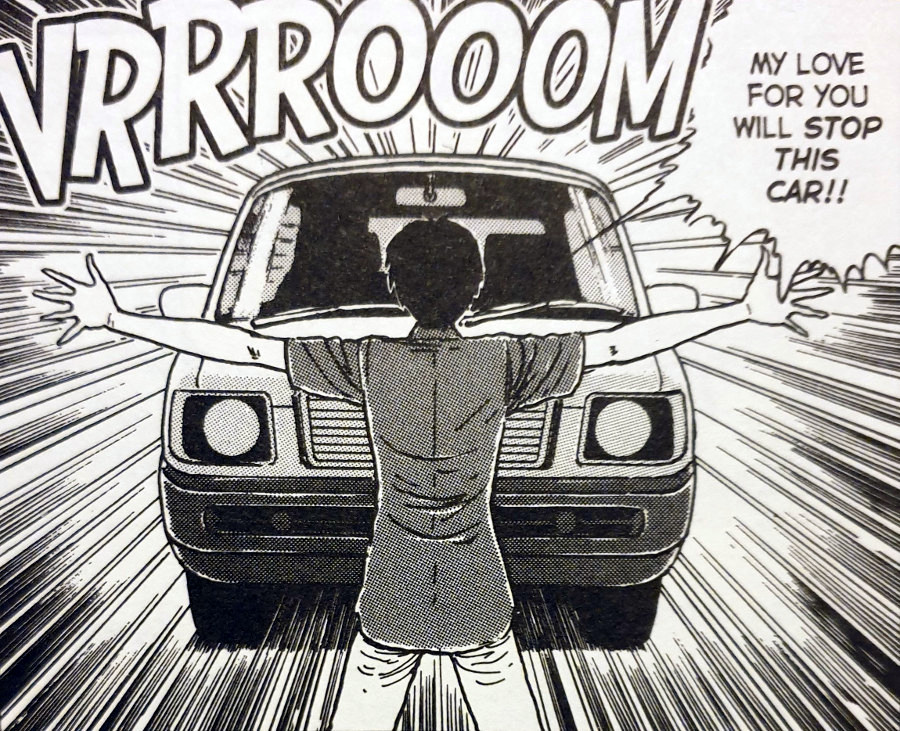
My love for you will stop this car!
Mitsuru believes strongly in his love for Kirie
Jack in the Box — Synopsis
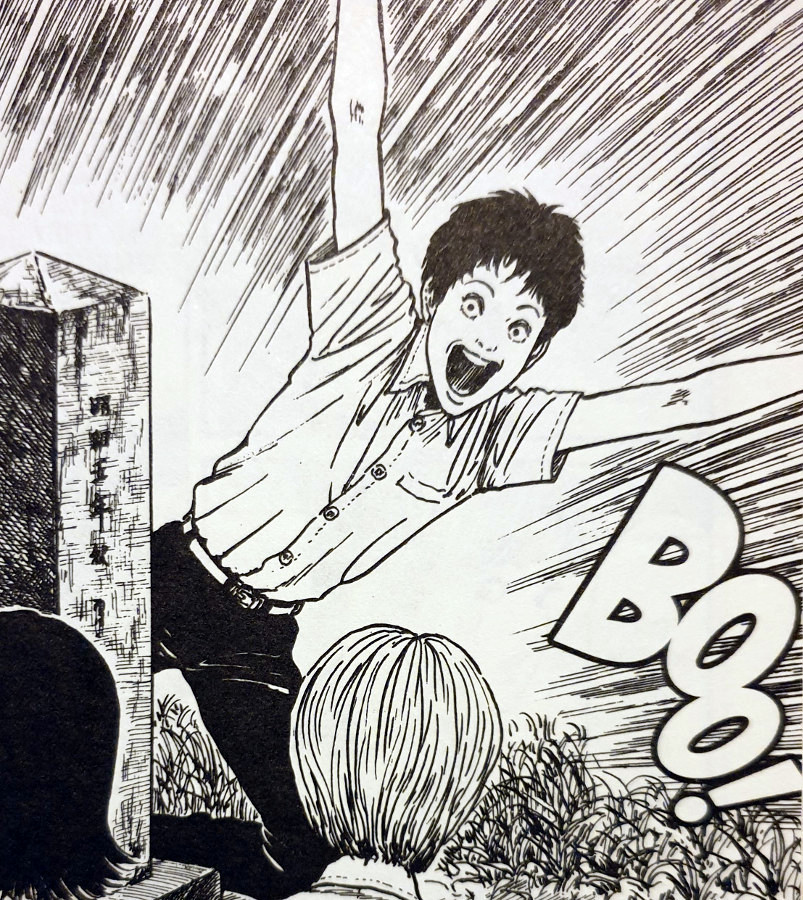
Kirie Goshima has an admirer, and an annoying one at that. His name is Mitsuru Yamaguchi and he has a very frustrating habit. He keeps on jumping out and surprising Kirie at moments when she least expects it. One such time is during the walk home from school with her friend Shiho. Shiho warns him off, but he continues to annoy Kirie nonetheless. For him, this is how he shows his love for her.
After a little time, he decides to send Kirie a present in the mail. However, instead of opening it she decides to meet up with him to return the gift. He seems sincere in his affection at this point and decides to prove his love once and for all. Declaring that his love is strong enough to stop traffic, he jumps out into the path of a moving car. A final jump that sees his body wrapped around the front wheel of the unsuspecting driver.
After Mitsuru’s funeral, Kirie is wracked with guilt over his untimely death. But it may not be the last she has heard from him – this is Kurouzu-cho after all. The spiral is ever-present and can make all sorts of things possible.
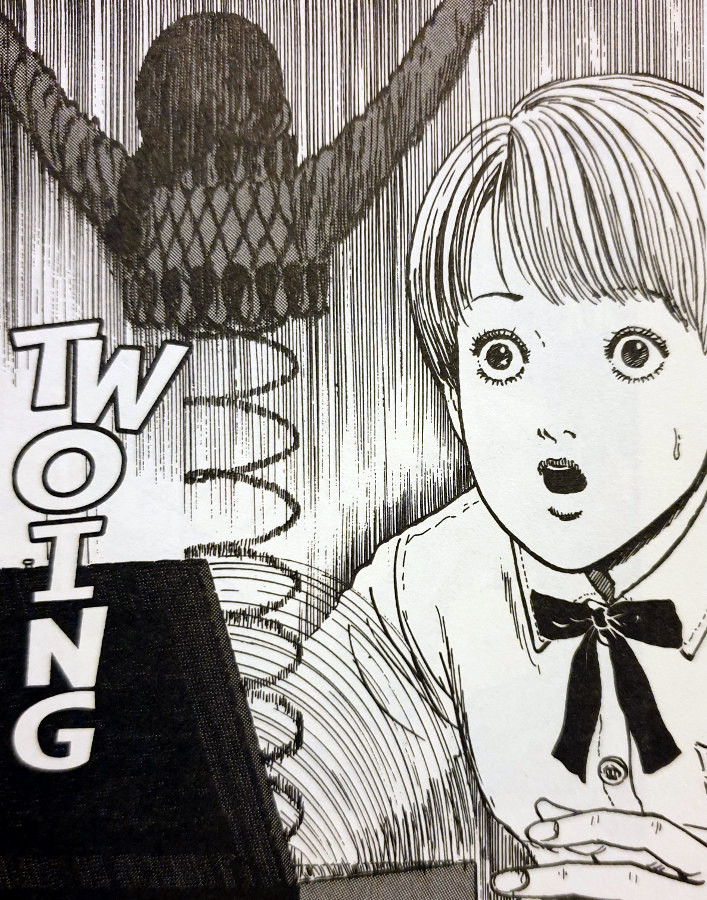
One evening while talking through the grief with her boyfriend Shuichi, she gets a terrifying vision from the gift that Mitsuru had left her. She discovers that the present is a very apt one for it’s sender — it is a Jack in the Box. The Jack in the Box seems to tell her that his death was indeed her fault. And not only that, but that Mitsuru will come back for her too.
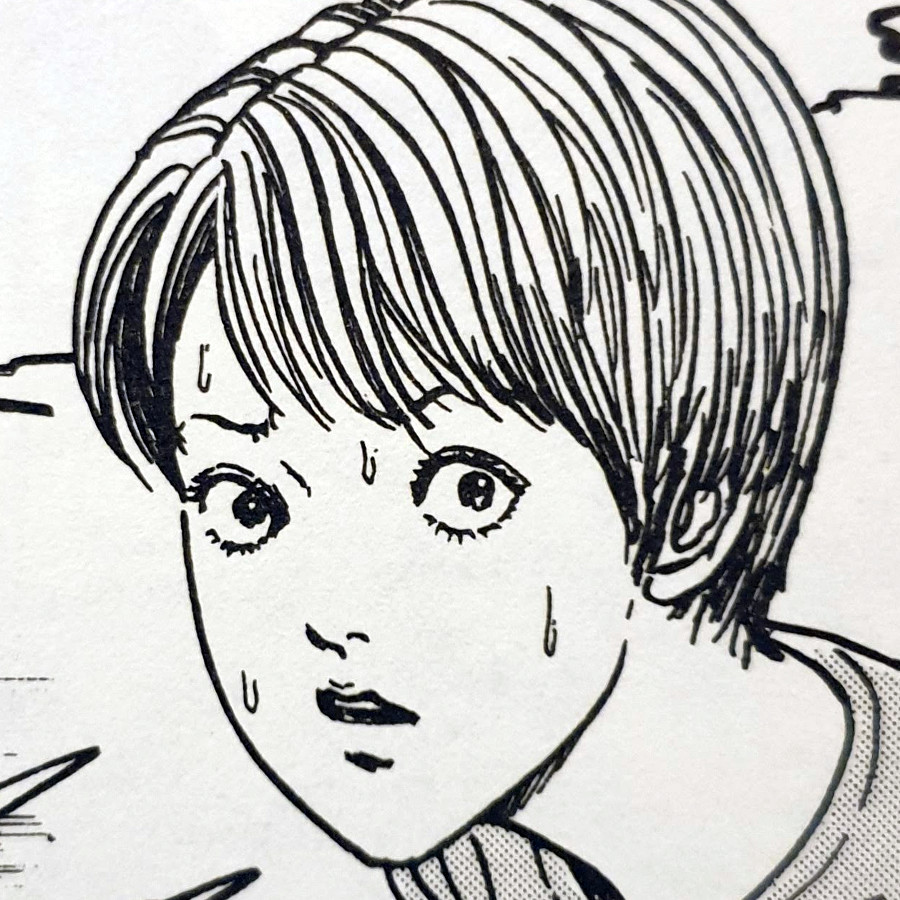
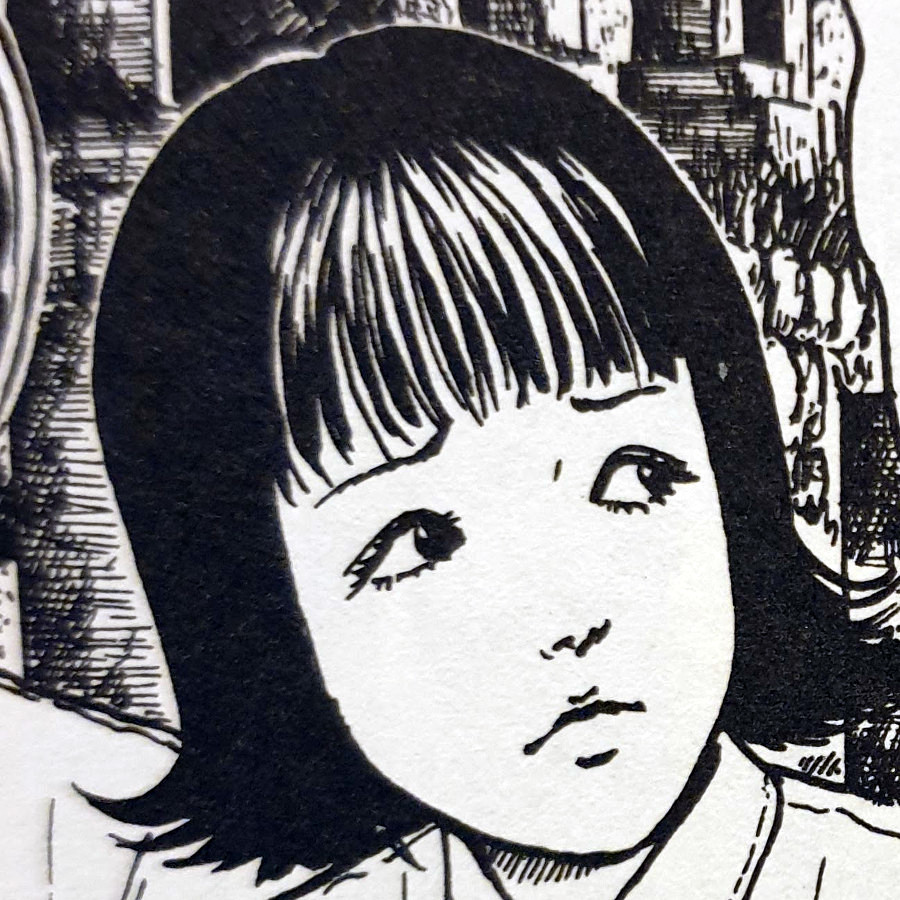
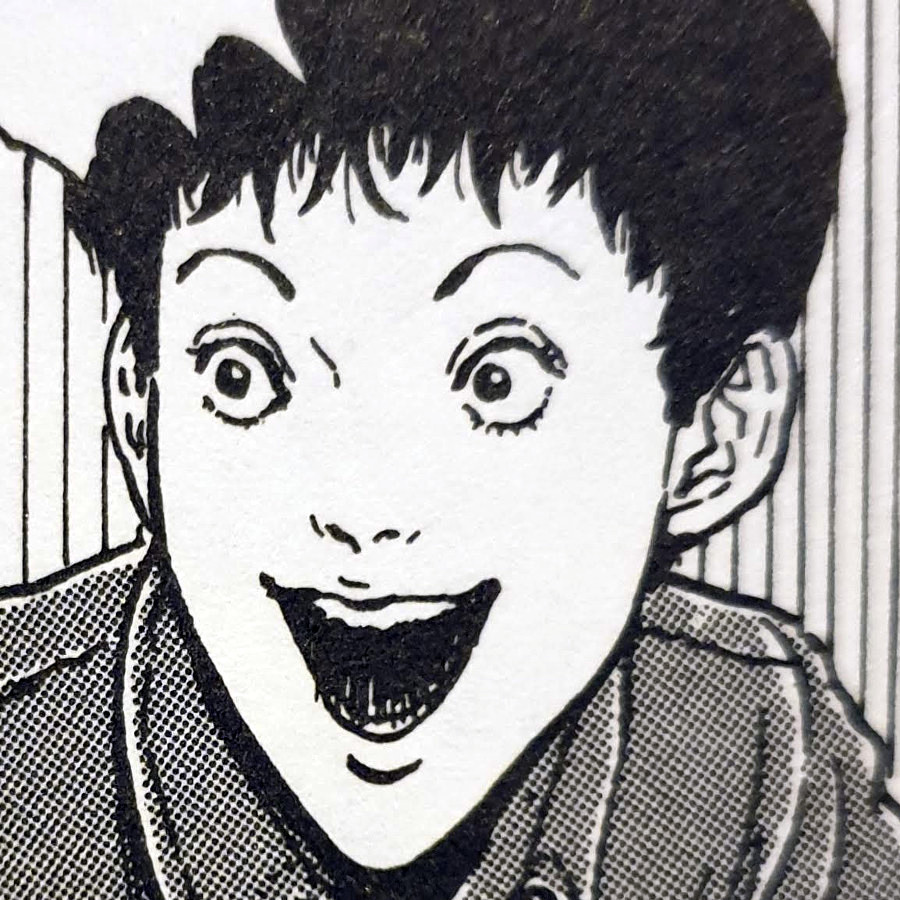
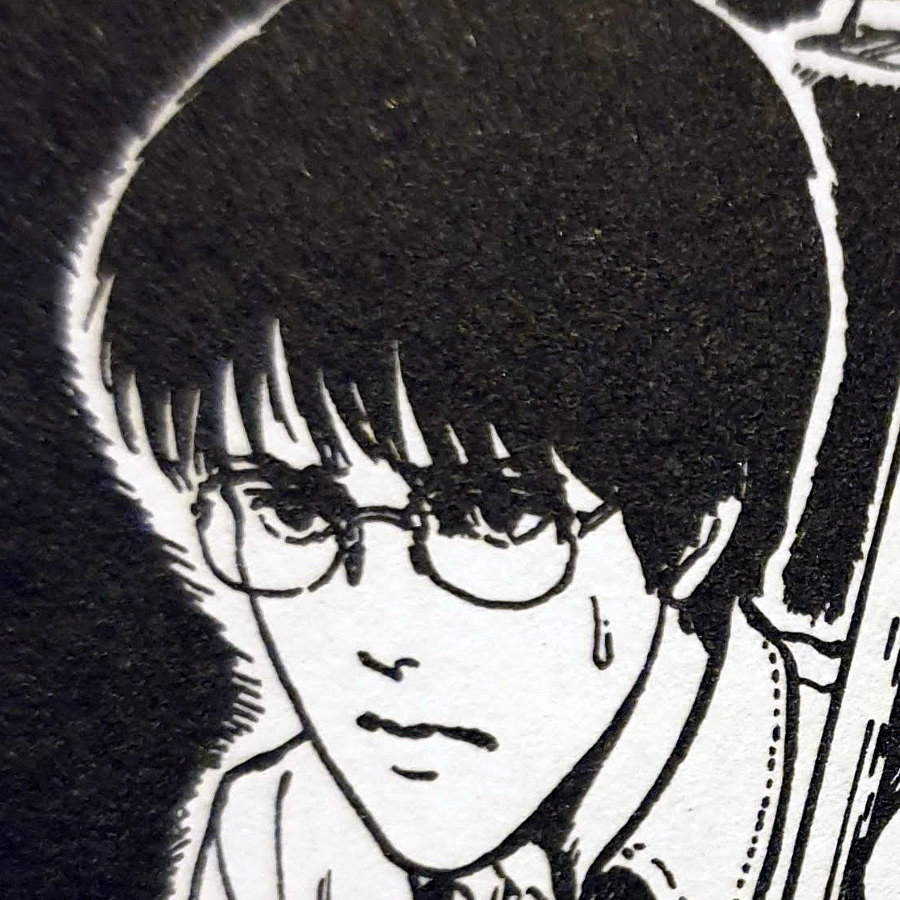
Deciding to find out the truth behind the Jack’s whispers, and to try and rid her head of its voices, Kirie and Shuichi take a shovel to Mitsuru’s grave to ensure he is in fact dead. But they are not prepared for what they find in the ground.
The subtleness of the Spiral
When seen from above, a coiled spring will display the shape of the spiral. Not only that but the spring can also represent the releasing of stored energy. This idea could well be what gave birth to the character of Mitsuru. But it isn’t until the closing pages when this becomes apparent. Once you’ve read it once, the spiral can be seen throughout this chapter. He is the metaphorical coiled spring jumping out at Kirie again and again. But until you’ve read it, the spiral is indeed subtle.
Inanimate objects with human likeliness always have the potential for horror. Just think ceramic dolls and old toys in the attic. But what I loved in this chapter was that not only did Junji Ito manage to depict an otherwise innocent Jack in the Box as demonic and foreboding. He also managed to have it perfectly represent the key character, Mitsuro.
The spiral has had a very visual presence in the town so far. It has appeared in cremation smoke, pottery and even throughout victims’ hair. But this is perhaps the most subtle that the spiral has been up till now. In fact, I would be so bold as to say that this chapter could almost be read outside of Uzumaki altogether.
The way in which Ito ties the character of Mitsuru to that of a Jack in the Box was a stroke of genius. Especially when he later makes use of the spring from the car that killed him to make his complete transformation. Yes, the spiral is present in the springs throughout, but take the spiral obsession out of the equation and you still have a strong horror nightmare with an almost self-fulfilling prophecy.
Coiled up terror
As I began writing up my thoughts on ‘Jack in the Box’, I began to notice how the chapter’s structure itself felt just like a coiled spring. With each unwanted jump scare from Mitsuru winding up the metaphorical coil until he is stopped dead in his tracks by that car. That impact and his winding quickly around the front wheel of that car are the first glimpses of horror we see, and the first release of the coiled spring of the chapter.
Once the funeral is done with, Kirie’s descent into guilt and the foreboding presence of the Jack in the box toy, wind up the chapter’s final spring. It is wound up tightly and held with each step that her and Shuichi take through that graveyard. Until those final pages and the explosion of energy that shoots out towards them. The second spring is released and the two of them are directly in its path.
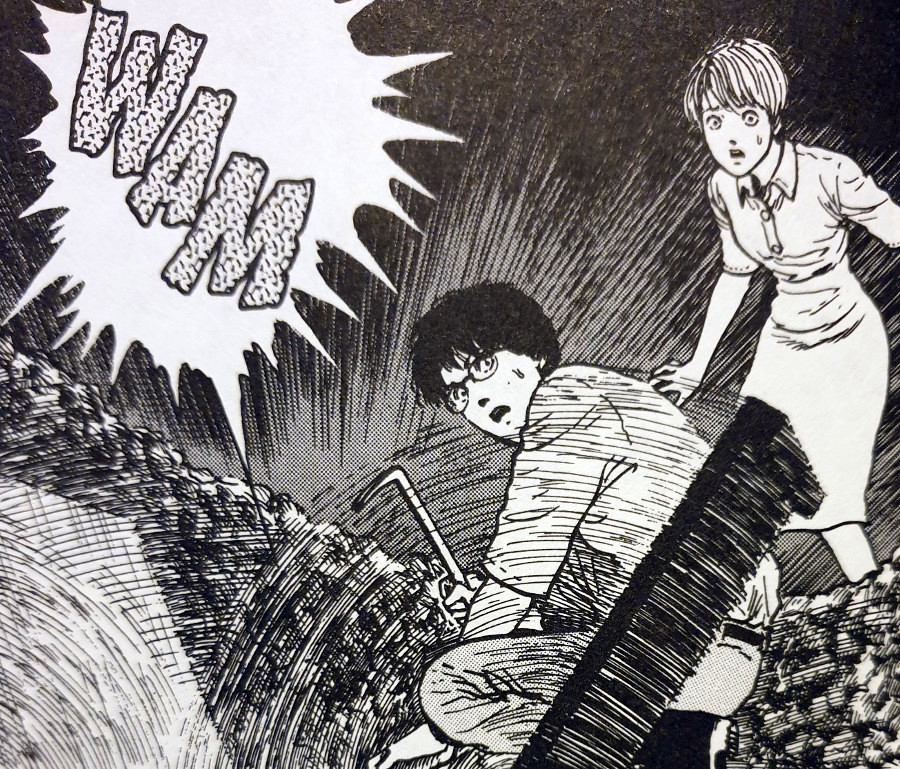
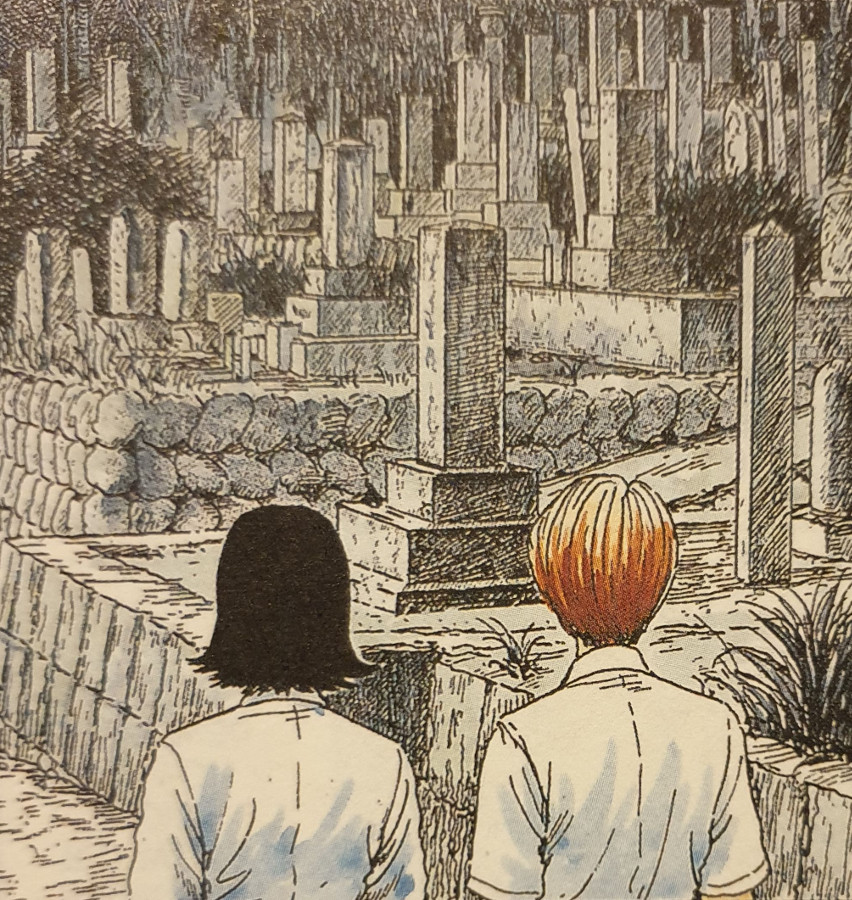
I may be reading too much into these stories, and perhaps seeing things that I want to see, but that is precisely why I’m writing these thoughts up. I just love seeing what my mind can find beneath the surface of Ito’s work — and as I have quickly come to realise, there is always more to find beneath his expertly-drawn panels than meets the eye.
In Conclusion
Jack in the box is definitely a chapter that can be enjoyed on its own and without any prior context to the preceding Uzumaki chapters. Yes, there are mentions of the spiral cremation smoke trails from The Spiral Obsession opening chapters, but they are only mentioned in passing. And they are not needed to be fully understood for this chapter to be enjoyed.
Jack in the Box is one of my favourite chapters from the Uzumaki collection. Something about the character of Mitsuru and the enjoyable absurdity of his constant jumping out at Kirie have stuck with me. I think that, along with the following chapter The Slug, are images that have stayed with me the strongest since my first time reading Uzumaki some years ago.
One of the great things about this chapter for me, was how it is almost ambiguous in its final half. With both Kirie and Shuichi having already come face to face with the spiral, who’s to know if what they experience in that graveyard is real? (it probably is).
Was it just a nightmare? Who knows? (probably not). But one thing is for certain – Junji Ito sure knows how to tell one hell of a great story.
4th November 2019
Junji Ito inspirations in Diablo 4 game

It looks as though Junji Ito’s influence is being spread ever further, as described in this article on VG247. The upcoming game Diablo 4 seems to be taking some inspiration from the Horror Manga master: https://www.vg247.com/2019/11/02/diablo-4-inspired-junji-ito-anime/
Ito is a man who managed to make fish scary, creating a story where they’re being mind-controlled by a sentient bacteria. He also has a thing for triggering people’s trypophobia so expect some disgusting enemy designs in Diablo 4 to match that inspiration.
Diablo 4 inspired by Junji Ito Manga, by Kirk McKeand
Flesh Colored Horror
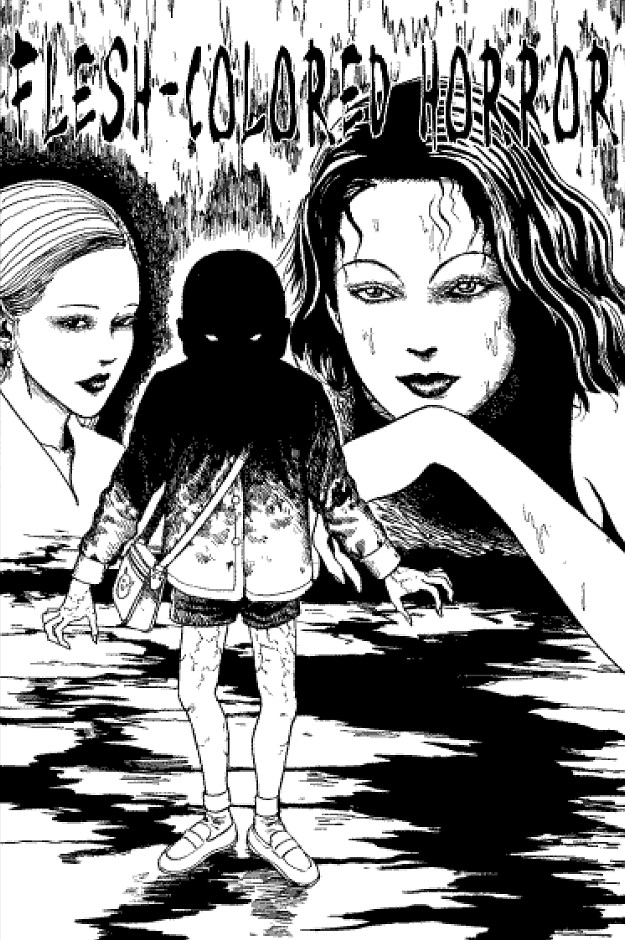
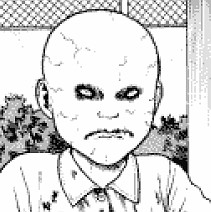
I’m not tearing. This is the peeling…
Chikara as he destroys other childrens’ artwork.
Flesh Colored Horror — Synopsis
Momoko Takigawa is a school teacher who teaches young children at the Hikariyama Kindergarten school. Her students are all regular, everyday children… except for one — Chikara.
Chikara is a scary-looking child, whose veins trace dark lines over his bald head. His eyes are blank white and piercing, and his mental state is violent and unstable. Chikara often lashes out at his fellow students and is unable to form any sort of positive bonds with them.
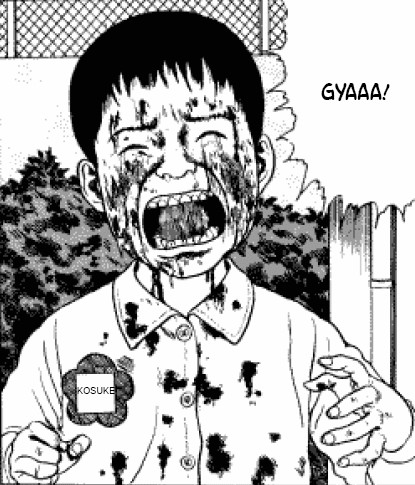
After a bloody incident involving Chikara and another student, Kosuke, he is expelled from the school and instructed to never return. However, one day he follows his old teacher Takigawa home from the school, and she agrees to take him inside before escorting him back to his own home.
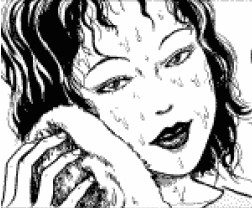
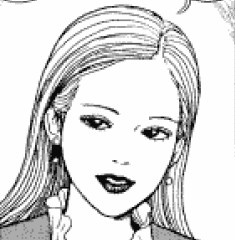
But when the teacher starts to become more involved in the boy’s life and in his well-being, a horrifying and violent secret is revealed about the boy’s family. We learn of his mother’s obsession with beauty. And we learn the lengths she’s willing to go, in order to give her son that beauty. All with no care as to the cost of his mental or physical well-being.
But what lengths will his mother go to, to finish what she has started? And how much can her son endure before he finally snaps?
A tortured young boy
The subject of a child’s abuse is always a delicate one to approach in fiction — and rightly so. Junji Ito has dealt with these before with stories like The Bully and the Tomie chapter Boy. But in Flesh-colored horror, the pain that Chikara endures is on a whole new level from those — at least in my opinion.
I felt that Ito approached this subject very tastefully. He seemed to keep it grounded but still within his story’s crazy boundaries. My initial feelings towards Chikara were those of disgust — the desired effect, no doubt. But by the end I was fully on his side after having learnt his story. And not only that, but it even taught me something about not judging people too quickly.
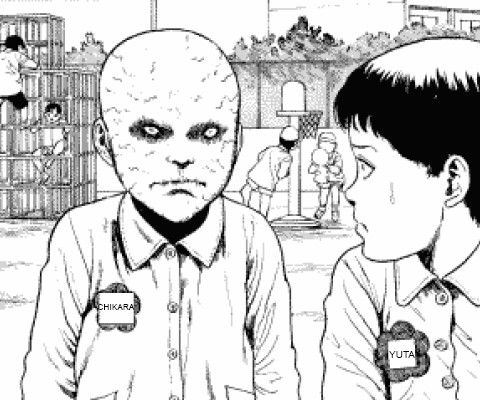
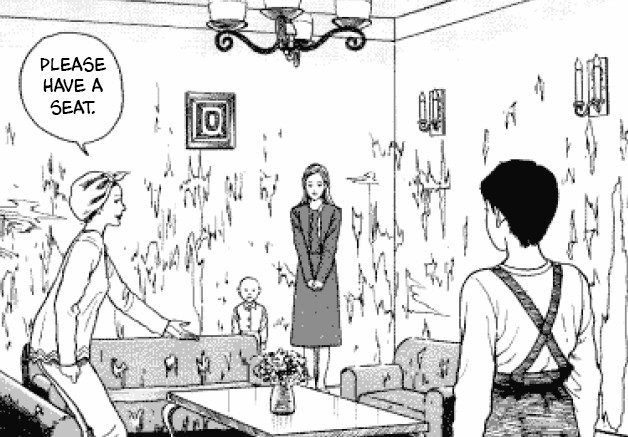
Although the tearing of the school paintings was a spiteful act, it was only what Chikara had picked up from home. We see his mother’s obsession causing her to peel away their home’s wallpaper — a metaphor for the peeling away of skin to what lies beneath.
And when Chikara attacked Kosuke and caused his face to bleed all over, it was a dreadful thing to do. But again, although I don’t condone it, this too was a learned behaviour from his mother. From all of the peelings away of skin she has forced him through.
This is normal life for Chikara, and it truly is a shame — both for him and those around him.
Skin deep
There is a saying that goes “Beauty is only skin deep”, which means that a person’s character is more important than how they look. This saying is no more apt than in Flesh Colored Horror — albeit in a slightly tongue-in-cheek way. I loved the insane idea of going to the extremes of trying to preserve one’s beauty by removing the skin and bathing it in saline solution. Then admiring the muscles and tendons beneath as a thing of beauty. Ito definitely has a way of creating these fresh and crazy characters with very unique quirks. And he often does so by taking very normal behaviours, like using skin cream to maintain one’s complexion, and turning it up to crazy.
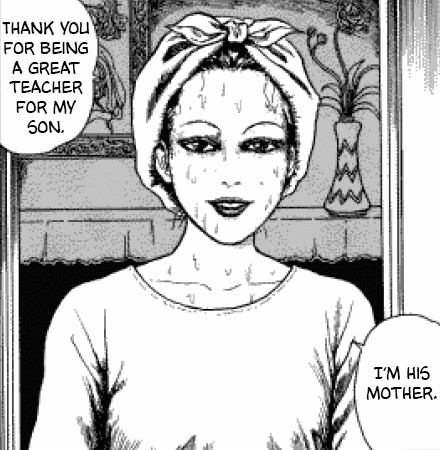
I also enjoyed the exploration of the mother’s obsession with her beauty — an obsession which ultimately leads to her undoing. I believe that the loss of her husband in the way that he went, directly led to her strange form of body dysmorphia. It was just a shame that her twisted notions of beauty were then forced upon her child.
But what I found most interesting in this story, was how we initially see Chikara. We see him as violent and almost-grotesque looking. But later we learn how both his appearance and his actions are a direct result of his terrible upbringing.
And on the flip side of that, we see his mother and his auntie — both beautiful women, who initially come across as friendly — who are later revealed to be the most despicable characters in the manga.
Beauty is only skin deep.
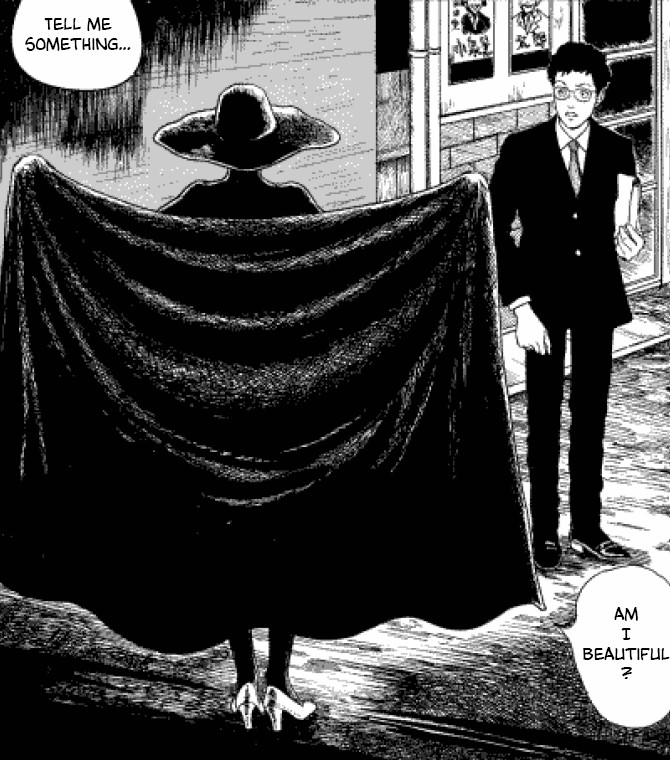
I’m glad that Chikara got to have some kind of revenge on his mother. Burning away his mother’s skin before tearing her exposed tendons with his bare hands was a hell of a way to go. But strangely enough, it felt like the logical result of what the boy had to endure. She created this viscous animal within her child, and now that very same animal is being unleashed on its creator. It is so crazy and so unbelievable, but it is so very enjoyable to read too, and definitely very Ito-esque.
In Conclusion
Flesh Colored Horror blew me away when I first read it, I wont lie. The serious tones of a child in danger drew me into the story — I knew it was going to be a thought-provoking and heavy piece. But it was it’s crazy ending and visceral imagery that moved this manga up into my top ten.
This isn’t one for the casual manga reader, I don’t think. If you like your horror to be dark and visceral, then great. But if you prefer easy jump scares and a minimal amount of flesh and blood, then tread carefully; I don’t think this is for the feint-hearted.
Any fan of Junji Ito’s who hasn’t read Flesh Colored Horror yet will get a real kick out of this one. And if you do enjoy it, you are sure to end up reading it multiple times.
p.s. Bonus Points to Ito for reminding me of Hellraiser 2 with this one. The image of the woman’s skin being pulled off like an all-in-one body suit immediately made me think of Julia’s demise from that film. 🙂
1st November 2019
Junji Ito Interview in The Winchester Mystery House
An interesting 20-minute interview with Junji Ito as he is escorted around the Winchester Mystery House.
I love how Ito’s favourite band is The Beatles!
Junji Ito cameo in Death Stranding?

Death Stranding is easily one of the most hotly anticipated games of recent years. From the creative genius Hideo Kojima, this epic, world-traversing PS4 game is sure to push boundaries and impress in many ways.
What I discovered today, is that there could very well be a cameo by none other that Junji Ito himself. Ito had previously been working with Kojima on the now-cancelled Silent Hills project. (I still shed a tear at the mere thought of what that could have become). But it seems that they have remained in touch.
Here are the images I have found after somebody shared them on Facebook. I have yet to confirm these as being true, but I pray to the gods of horror that they are.


Check out Death Stranding on the PlayStation Store!
28th October 2019
American Horror Story 100th episode cast photo

23rd October 2019
Medusa (Uzumaki part 6)
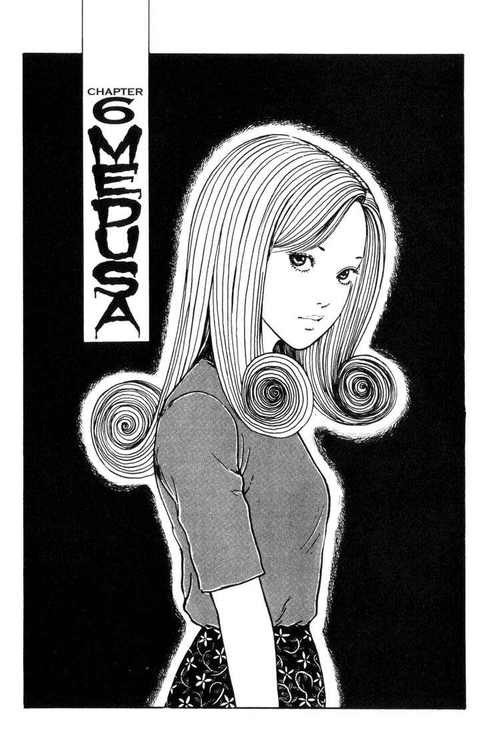
You should know I take this as a challenge… I’ll stand out too… you wait and see.
Sekino gives Kirie a thinly-veiled warning about her new hair.
Medusa — synopsis
Up until now, the Spiral has been affecting the people around Kirie Goshima. Her boyfriend Shuichi’s parents; her own father; a friend at school. But in Medusa, the Spiral is finally catching up to her and has it’s sights set directly on a particular part of her body — her hair.
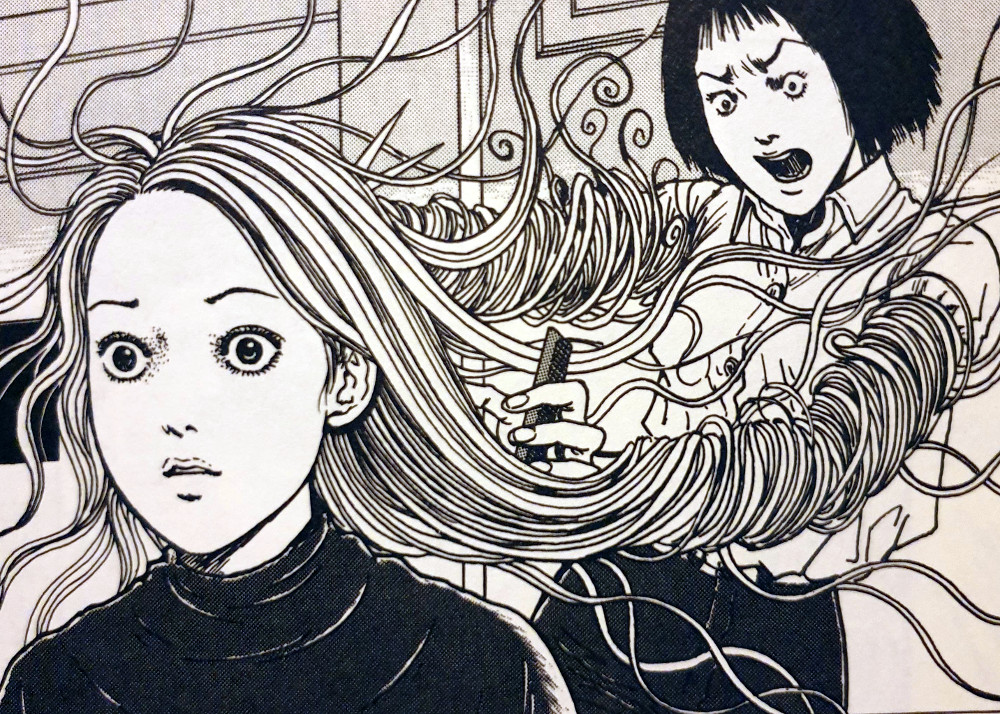
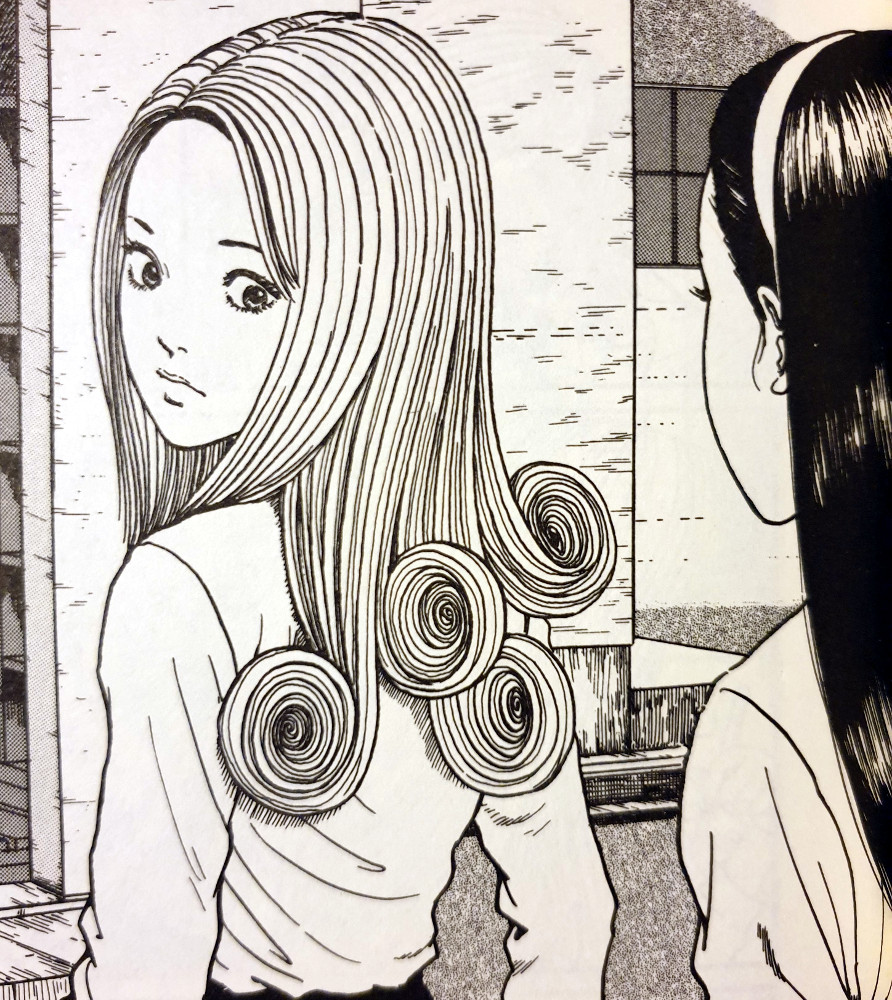
After a school boy’s death and some discussions with a friend over people’s sudden desires to be noticed, Kirie’s hair begins displaying the cursed Spiral in its curls. This seems to have happened out of nowhere, after a sudden growth of her hair. Will she now finally fall victim like so many before her?
When the curls in her hair are threatened, they begin to take on a life of their own — the spiral protecting itself. The hair grows faster than is naturally possibly and even physically fights back against those that would do it harm. But when a school friend of Kirie’s see’s these ever-growing curls as a threat to her own dominance, that friend decides to challenge her in one of the craziest showdowns I’ve ever seen in a manga.
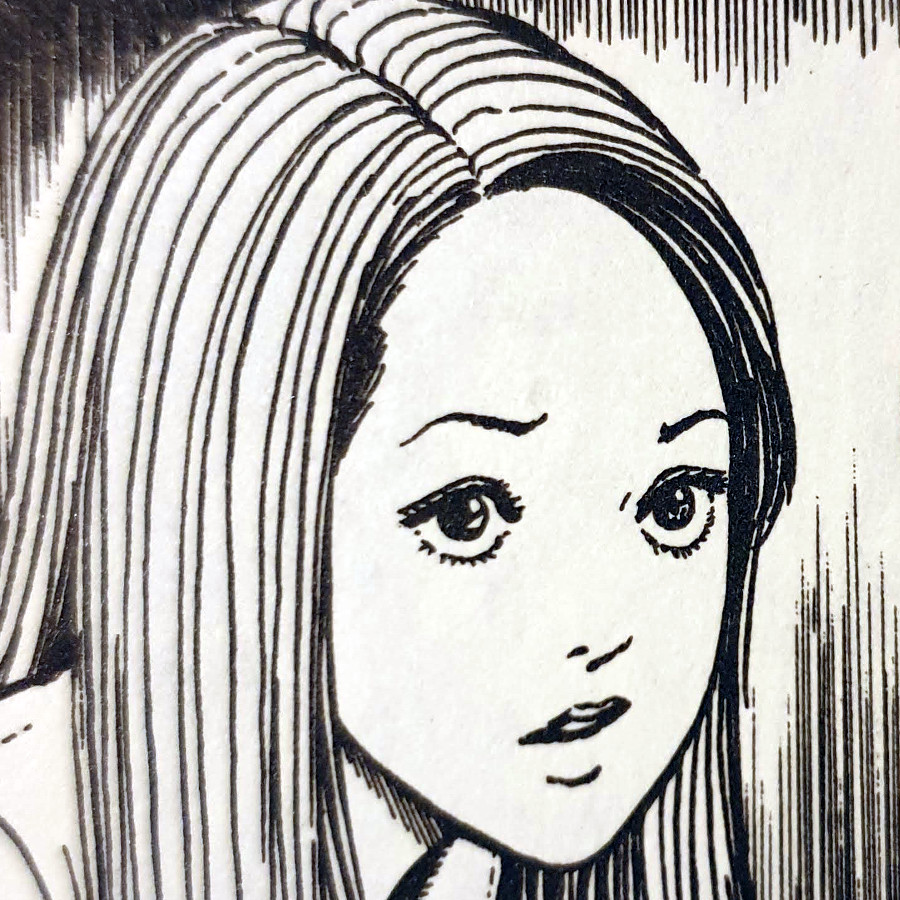
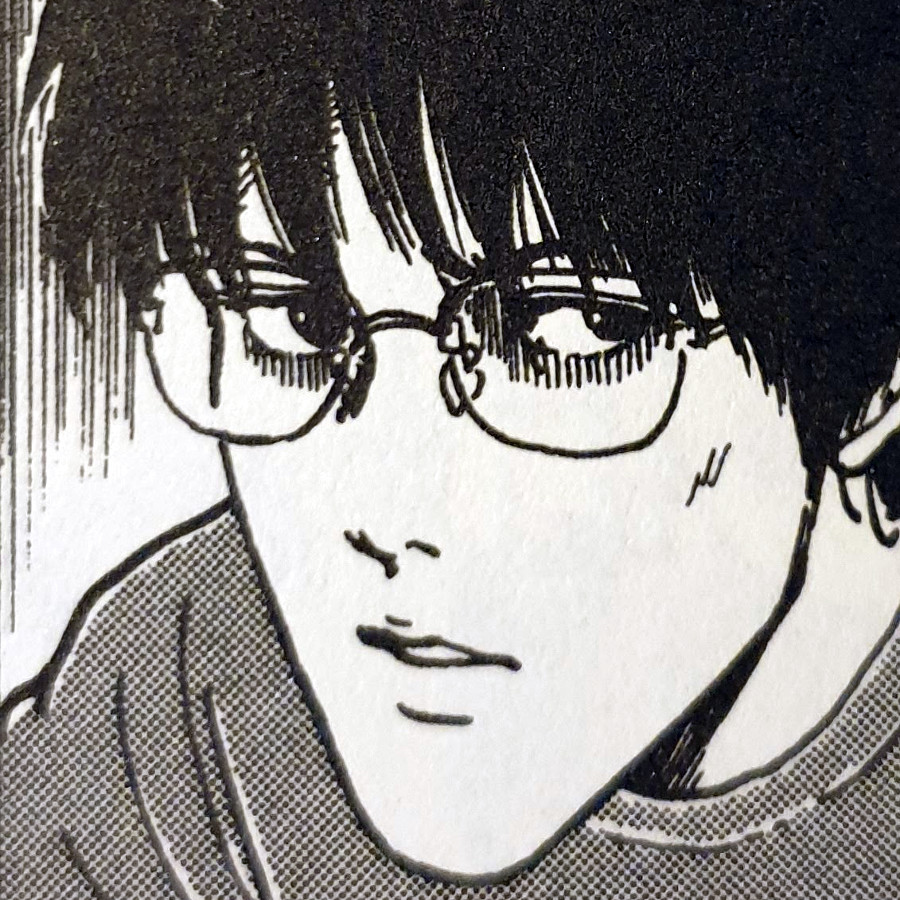
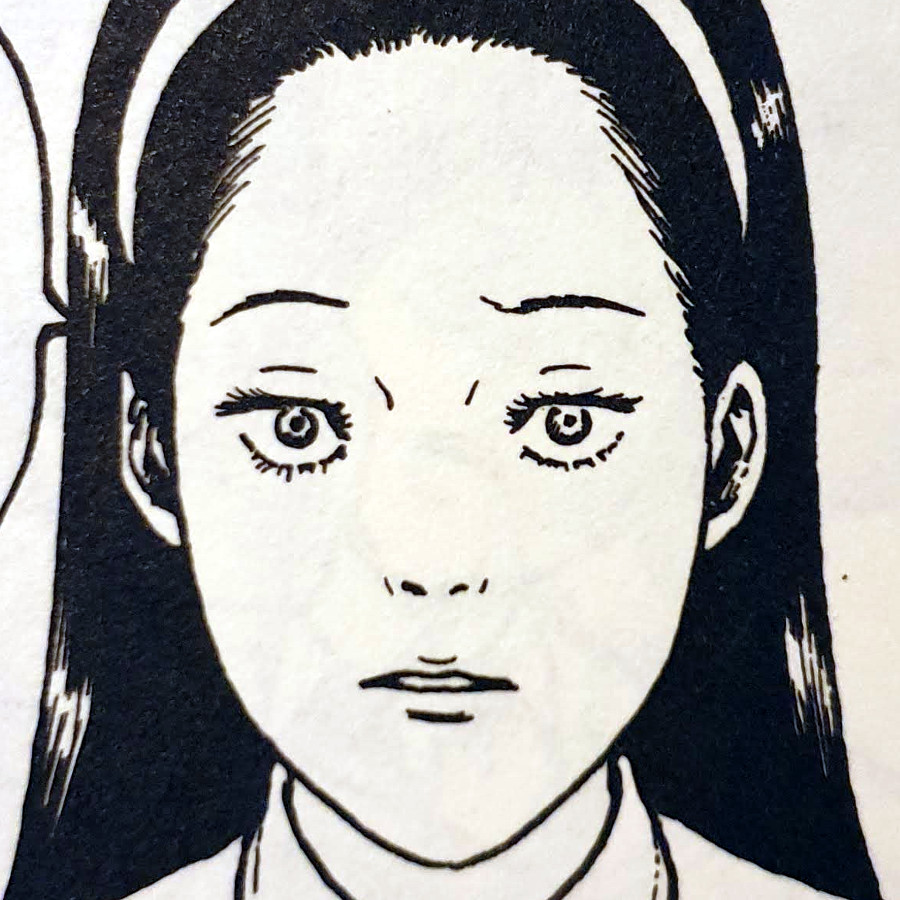
A hairdresser’s nightmare
The subject of hair in Junji Ito’s body horror is something that you may have seen before. In his Tomie chapter “Hair“, characters attach strands of Tomie’s hair to their heads in order for them to obtain her beauty. But in Uzumaki’s Medusa, the Spiral is drawing these people’s own hair out of their heads in order to seduce and mesmerise those around them.
The idea of parts of one’s own body being out of ones control is a scary one. These have been explored in horror before, whether it’s the classic “arm transplant but the arm is that of a murderer’s” or “an eye transplant that lets you see ghosts”. But the idea of using hair against the person who owns it is a fresh one to me.
I loved how the hair became so flamboyant and ridiculous as to lure in those around it. But what I found even more effective was how the hair, whilst growing at such a fast rate, took its toll on the owner. You could see it in Kirie’s eyes as the hair lusted after a bigger audience. But it wasn’t until the closing pages that you see its true effect on a host.
The spiral effect grows
We’ve seen pretty isolated cases of the spiral at work until now. Limited to families and those closely related. Even the episode with Shuichi’s mother in the hospital could be written up as a woman’s madness on the doctor’s report. But the actual encounters with inexplicable spirals has been limited save for those involved.
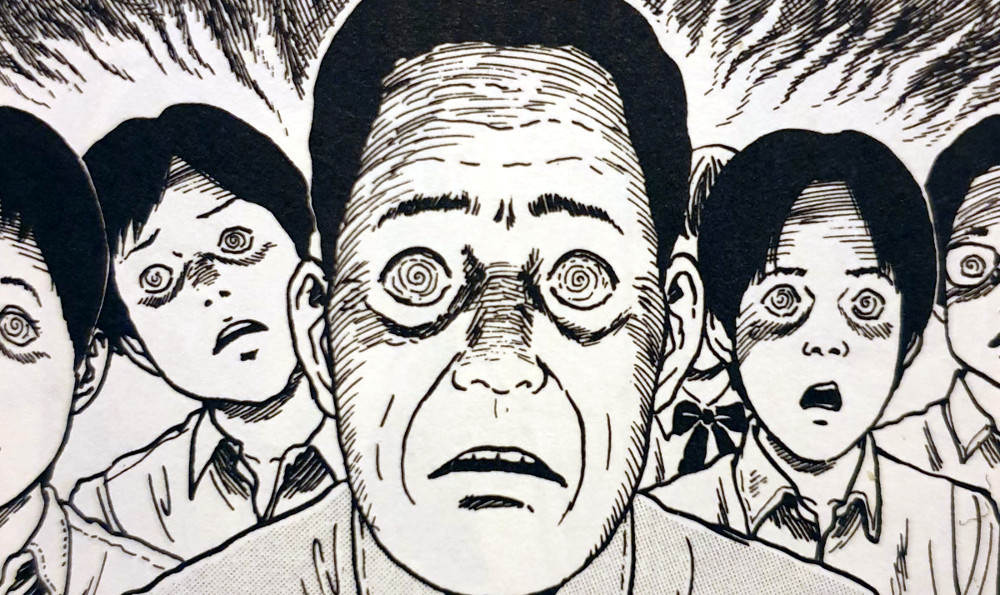
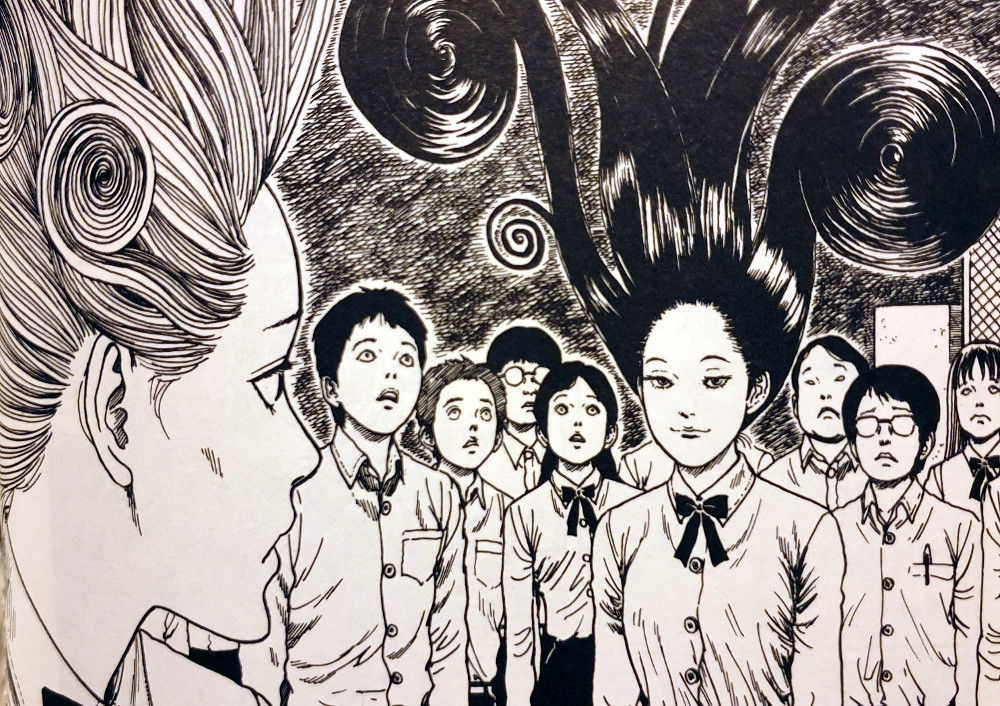
In Medusa, however, the hair that grows from Kirie, and later her friend Sekino, is so unnatural that it just can’t be explained away. No amount of hair spray could have kept those curls up. It would have been plain to all that this is some unnatural force at work. Could it be that the Spiral curse is ready to show itself more widely now? Is it no longer content with appearing in the corners of Kurouzu-cho and instead now wants a larger audience for itself?
Interestingly, the Spiral only seemed to target Kirie after she had been clear to her friend about not wanting to stick out. She was content with just moving along in life. The idea that her friends’ obsessions with being noticed was intrinsically linked to the spiral’s presence, seemed to be confirmed when she was made the centrepiece of the Spiral’s plans within the Kurouzu-cho school.
In Conclusion
The image of the woman with the large curls floating over her head is a common one from Uzumaki. When seeing images from the manga or even clips from the Uzumaki film, it is a pretty staple image. Indeed it does represent both how incredibly inventive and at times ludicrous the world within Kurouzu-cho becomes.
Medusa is a calmer story than most from Uzumaki with absolutely zero gore. The goriest image is that of a girl whose life is visibly drained from her face; her skin and eyes sunk back. But nothing more than how you would expect a mummy to look in a museum. In fact, the story is home to more humour than gore. Granted it is a particular kind of humour, but it is there nonetheless.
This story seems to be opening up the Spiral to a wider array of people within the town. Many more are becoming affected by it, and it’s only a matter of time until the Spiral’s full force is released. I think Kirie will still serve as the central character, but the curse looks to be spreading its wings wider and wider from here on out.
21st October 2019
Tomio Red Turtleneck
Tomio Red Turtleneck — synopsis
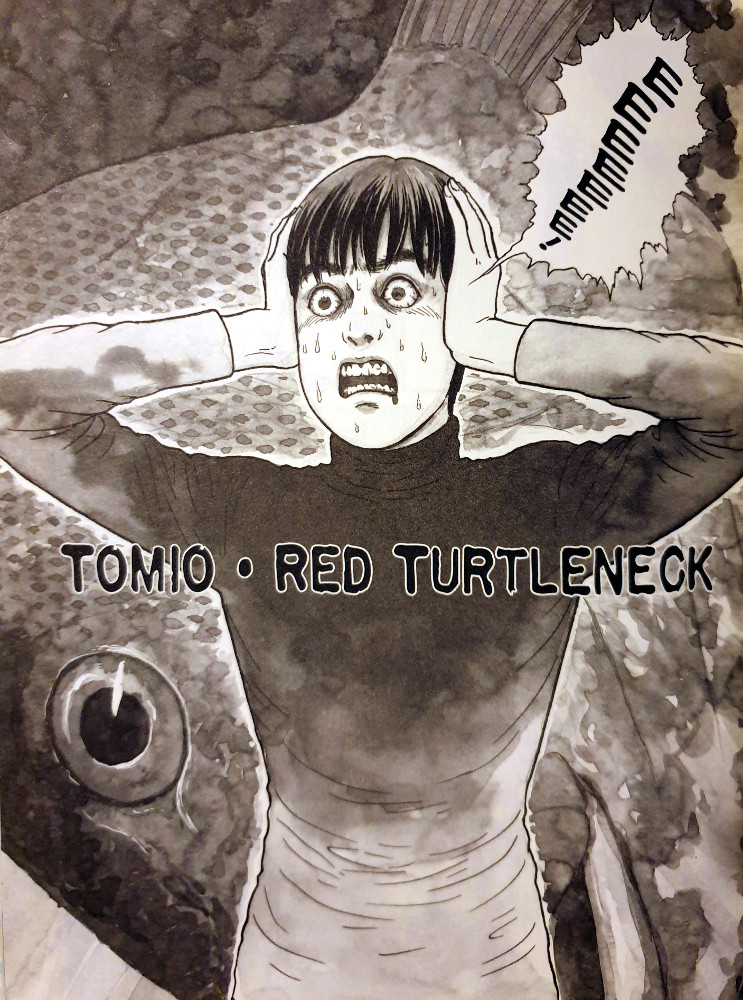
Tomio Red Turtleneck is one of the more nightmarish short horror manga stories from Junji Ito, as well as being one of my favourites. Taken from his excellent Fragments of Horror collection, it tells the story of a young man dealing with a very strange injury.
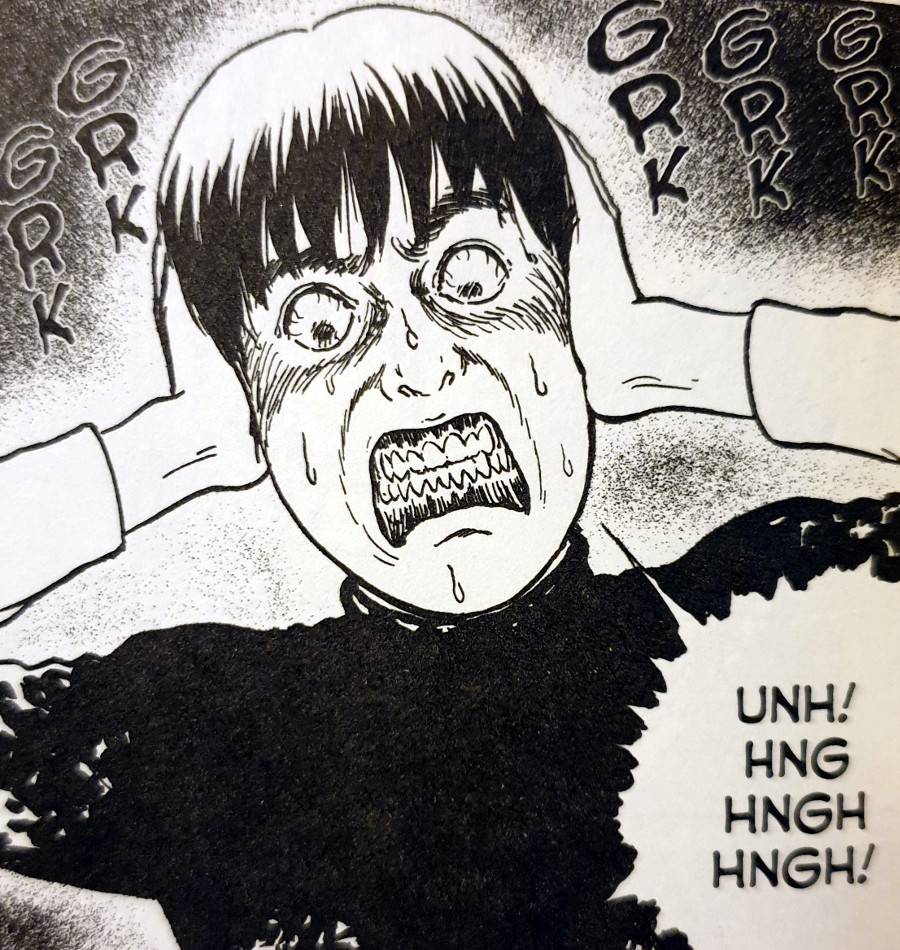
We join Tomio’s story as he is walking down a street, grasping at both sides of his head, looking very distressed. His eyes are fixed and his teeth are gritted together as he makes his way to his girlfriend Madoka’s home. On arrival he pleads for her help, but it seems as though he’s been a bad boyfriend. She tells him simply to just “go back to that woman”.
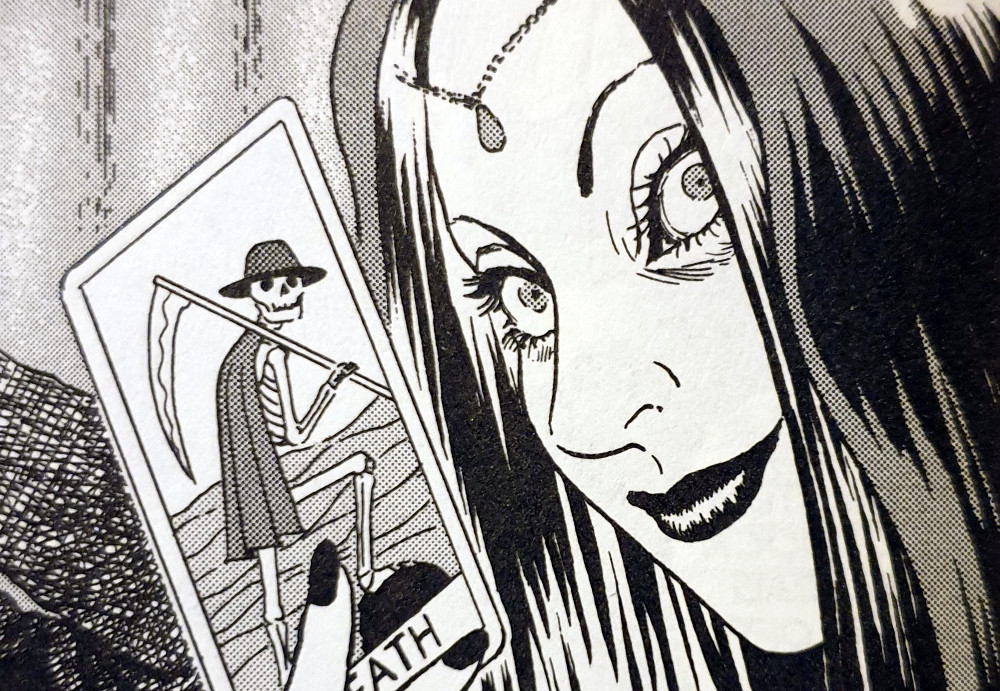
Flashing back to some days earlier in this couples life, it is revealed that Tomio did in fact begin having an affair with a fortune teller. This same teller foresaw their relationship as being “doomed”. But this seems to have been a fortune reading designed for one thing — to get Tomio into bed with said teller.
And it worked.
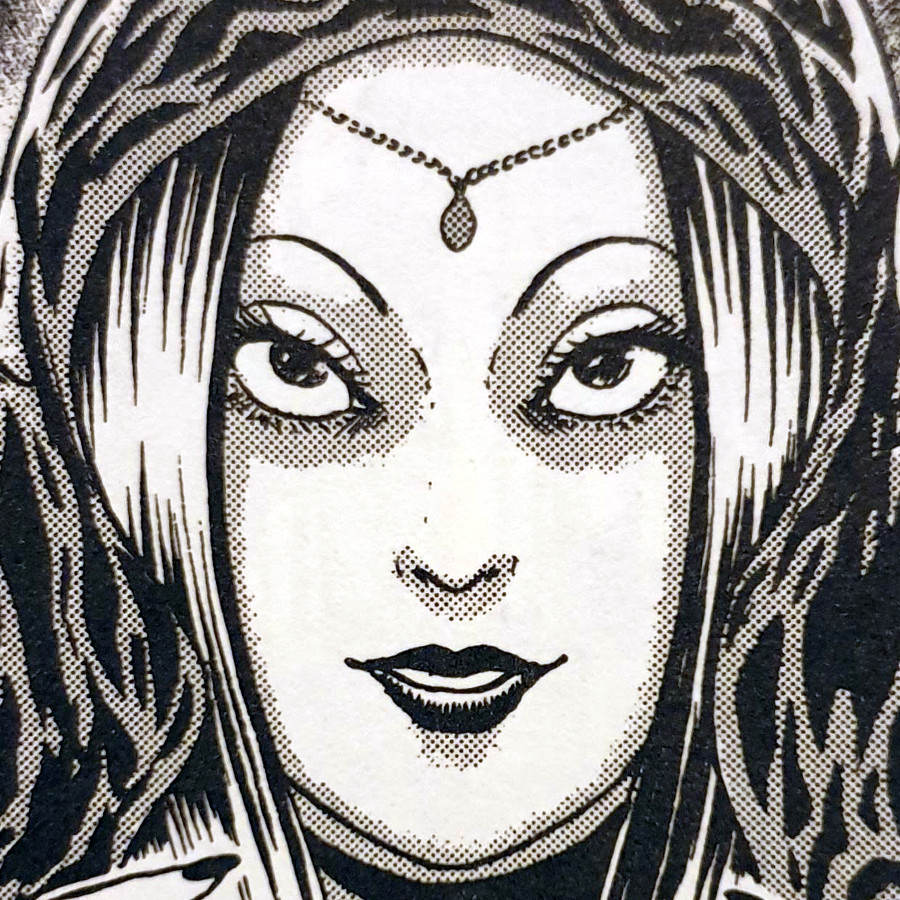
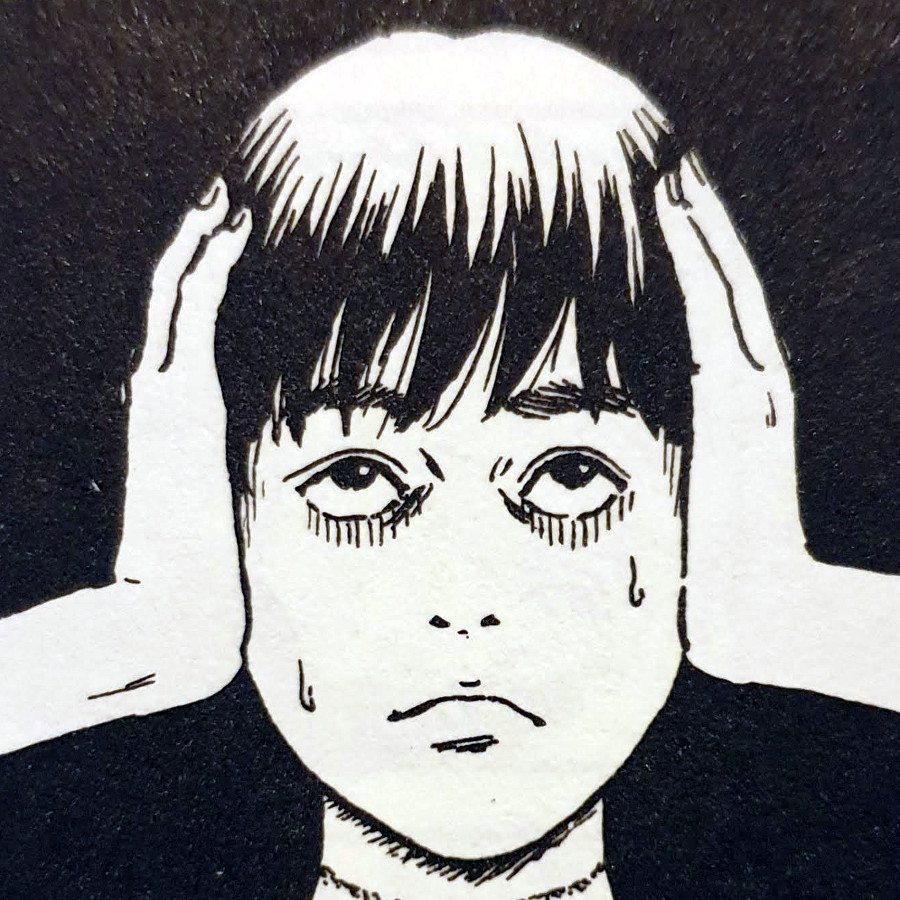
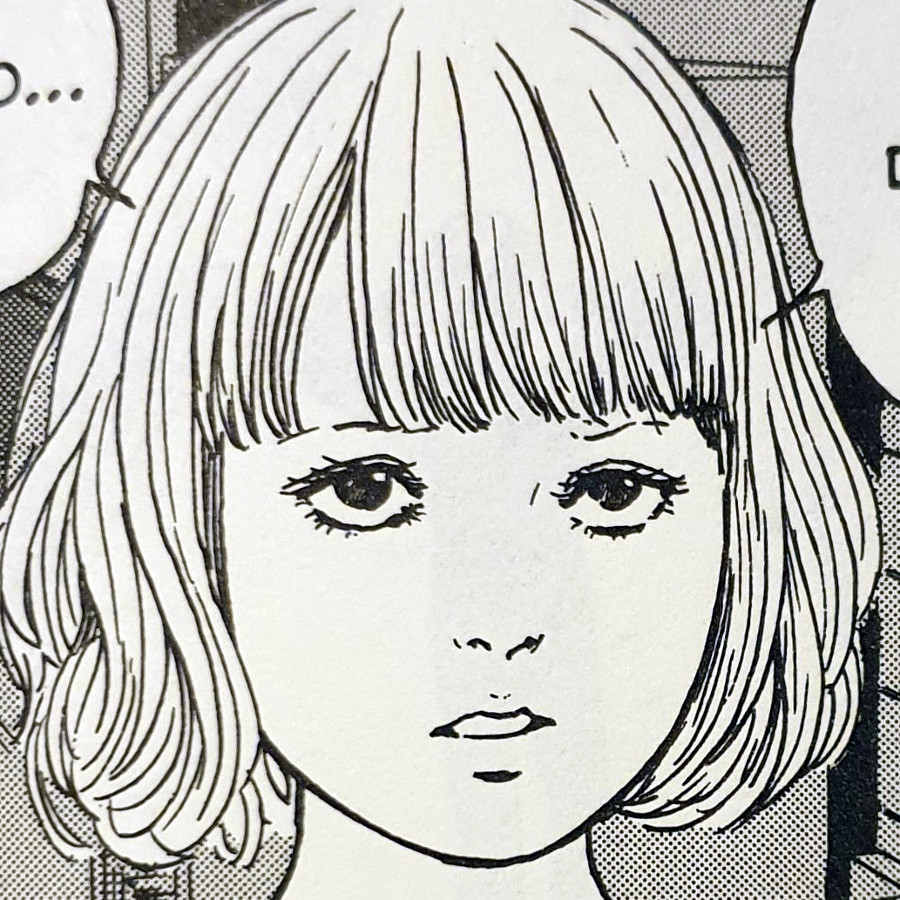
However, after they had made love, the fortune teller reveals her true evil intentions towards Tomio. He has no choice but to run from her, but not before she manages to curse him.
But just what happened when Tomio and the fortune teller met up? What evil secrets does this cursed woman hold and why did she target Tomio? And just what has she done to cause him to go running back to Madoka with his head clutched between his hands?
Strong Women
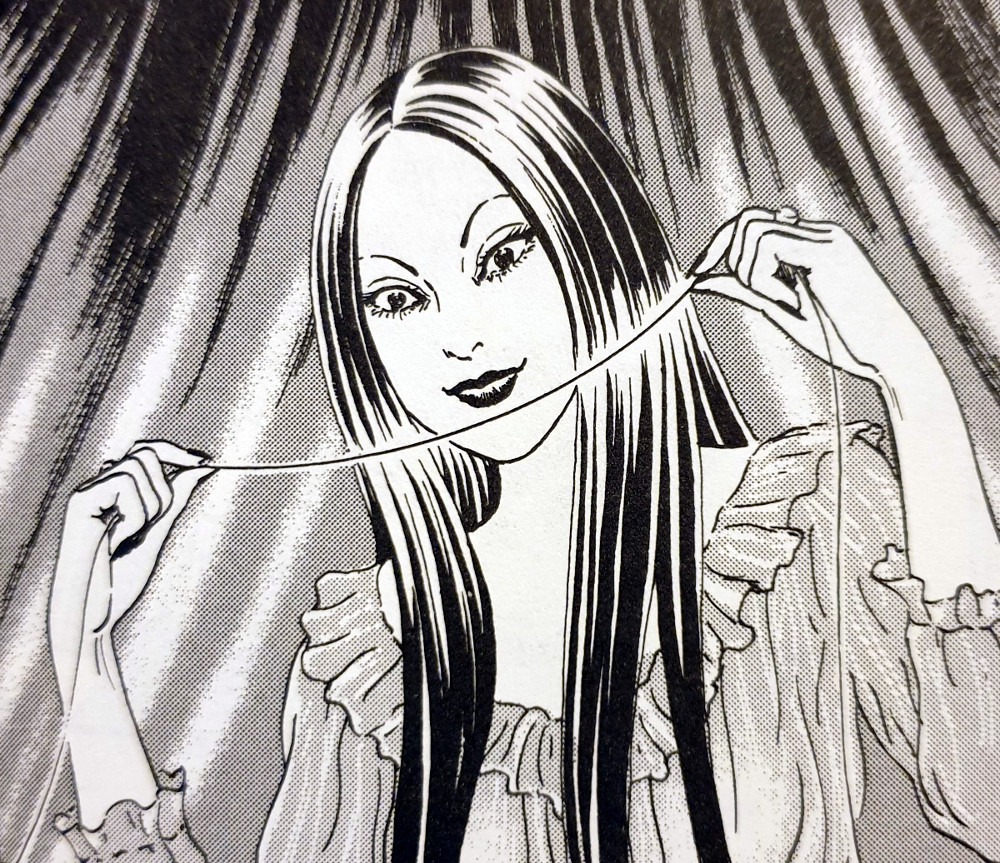
Ito has a talent for bringing strong women to the forefront of his stories, perhaps none more so than Tomie — the immortal, self-replicating demon girl who drives men to go crazy over her. However, Tomio Red Turtleneck displays two very strong women too.
The first is the fortune teller, who manages to captivate Tomio into having an affair without any real effort on her part. Perhaps it was magic but nonetheless she had that power over him. She is an imposing figure over the story and is definitely someone not to be messed with.
The second is Madoka. Despite being cheated on by her boyfriend, Madoka isn’t saddened or feeling sorry about the situation. Instead she kicks him out in anger and is even the one to save his skin towards the end. It’s unsure whether she will remain with him after this is all resolved, but one thing is for sure — she sure knows how to handle herself and wont go down without a fight.
Monogamy
If ever there could be a horror manga allegory for not cheating on your partner, then Tomio Red Turtleneck is it. Tomio doesn’t come across as a particularly nice person in the opening pages. He screams at his girlfriend Madoka that the fortune teller is “way hotter” than her, before running off to her bed. I personally couldn’t wait for him to get his just desserts.
I found that the fortune teller and the affair with her was a great metaphor for, and even a warning against, being unfaithful to your partner. Tomio sees the teller and is taken with how beautiful she is. He ends up in her bed as he probably believes himself to be “upgrading” his lover in his mind. But of course, once he discovers her true intentions, and the severed heads of other men whom I could only assume cheated on their partners too, he realises he has messed up.
I don’t for one second think that what he ends up going through can reconcile how he treated Madoka, but perhaps having his head almost removed is a little bit too far a punishment. Perhaps.
Children of the flames
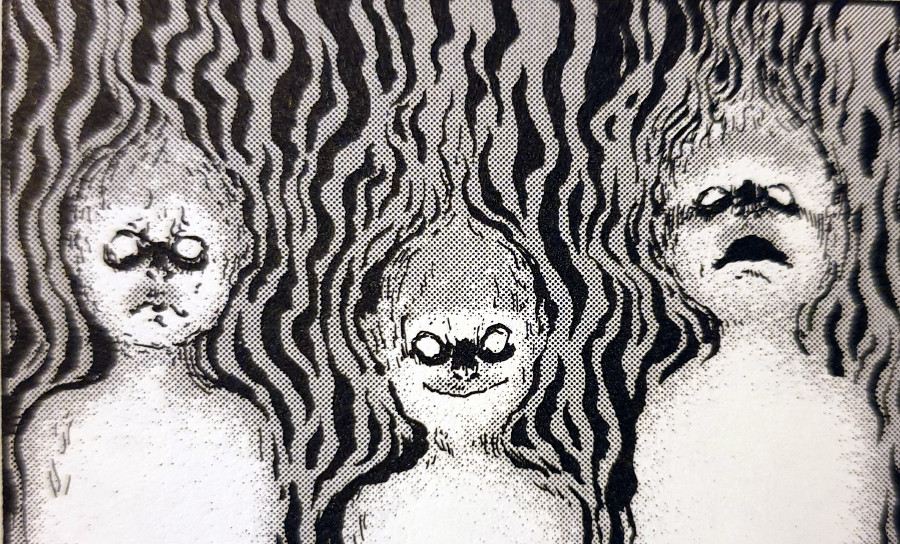
I loved the imagery of the three children that were revealed once the fortune teller had been stabbed. Were these malicious spirits that were in control of an otherwise innocent fortune teller? Or were they in fact unborn children of hers who’s presence was still felt by those around?
I couldn’t help but feel sorry for Madoka and Tomio too. Yes, even Tomio. I think that the fortune teller had some kind of control over him. Whilst I don’t excuse his actions, or his attitude towards Madoka, I did feel that he was a very naive person — almost child like. And while Madoka came across as more head strong, she too felt not much older than a child.
The fortune teller on the other hand seemed much older and infinitely more in control of her self. Although her motives were never revealed, she definitely had control over the situation. Of course, she did underestimate Madoka at the end. So I guess she couldn’t have been that much in control.
In Conclusion
Tomio Red Turtleneck is a quintessential Junji Ito manga that I think you should definitely read. Whilst it’s not in my top 5, it is definitely up there towards the top of my favourites. The imagery of Tomio stumbling down the street clutching at his almost-severed head is one of those Ito images that I just won’t ever forget.
Junji Ito has created such iconic imagery through his career so far, and no-doubt will continue to do so. But I think that Tomio and his red turtleneck are, at least for me, one of the most memorable.