Neon Demon posters
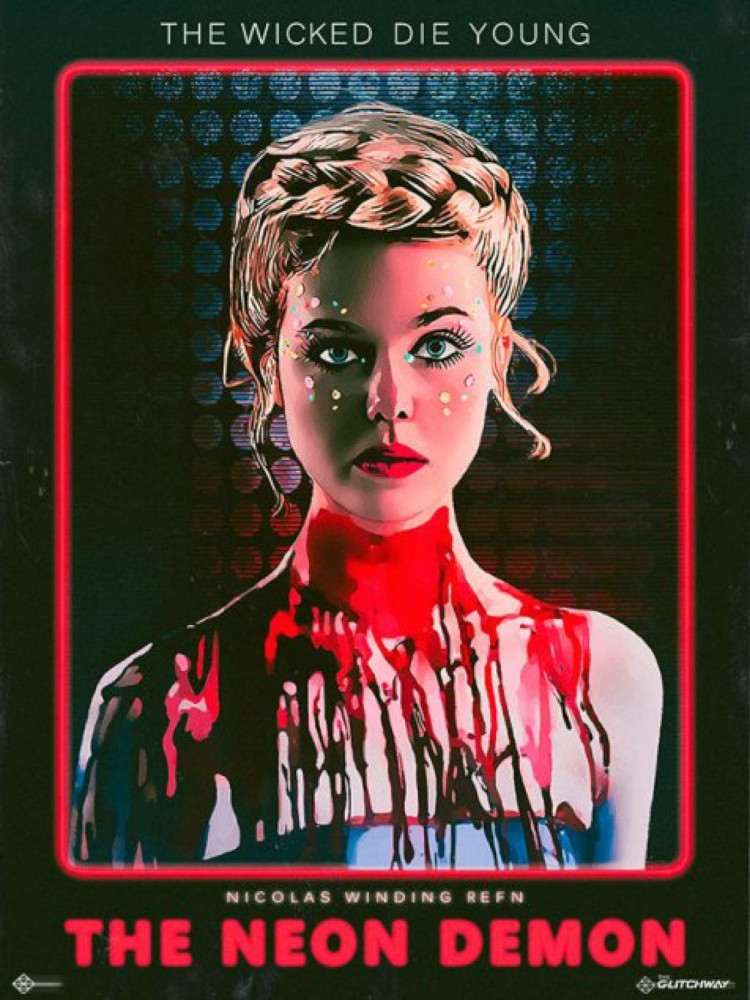
The Neon Demon is one of my favourite films of recent years. I wrote up my thoughts on it a while back. Here are some of my favourite posters that I’ve found, created by other fans of the film.



Page 72 of 211
The Neon Demon is one of my favourite films of recent years. I wrote up my thoughts on it a while back. Here are some of my favourite posters that I’ve found, created by other fans of the film.
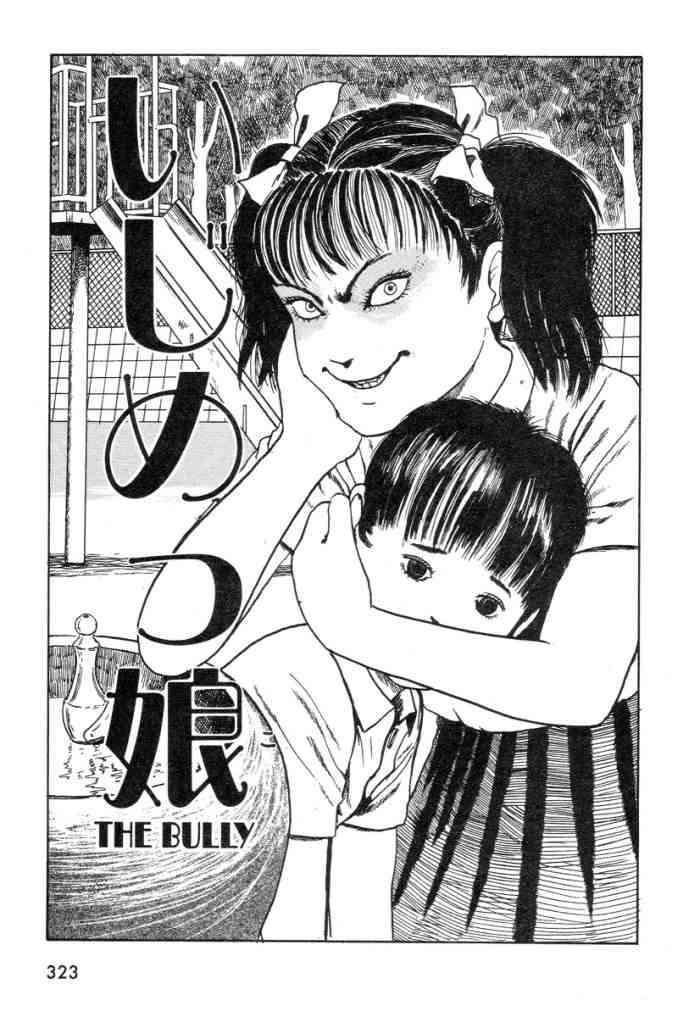
In The Bully we follow Kuriko and the boys around her who end up suffering in one way or another. From the manga’s opening pages we are led to believe that she is a sweet woman who only wants to be honest with her husband-to-be.
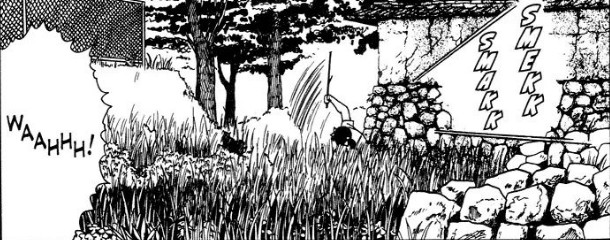
We join Kuriko and her soon-to-be-Husband Yutaro at a local park, where they once played as children. She tells him how she wishes to confess details to him of her “dark past”, as she puts it. Kuriko tells him, and us through a flashback, of how she was once entrusted to look after a young boy, called Nao, when she was just a young girl herself.
But the trust put in her for that little boy’s welfare was misplaced, it seems. Kuriko goes on to reveal how, when Nao would start becoming too clingy with her, she would start bullying him. She started lightly with just screaming in his ear, but the story soon escalates her abuse into some pretty harsh scenes.
As the story of The Bully moves into it’s second half, it shows us how those earlier events have affected those people in the present day. We learn where those people are now in life and ultimately how Kuriko’s volatile nature affects each and every one of them.
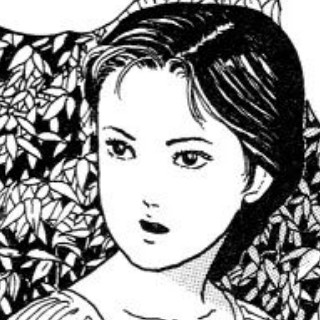
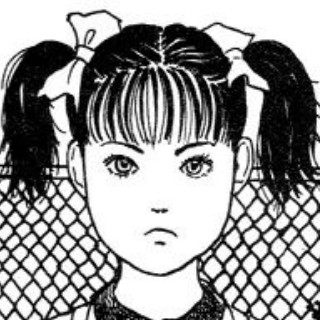
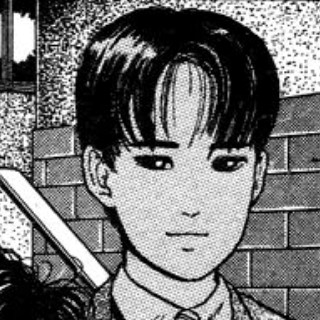
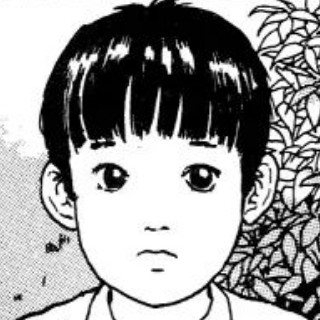
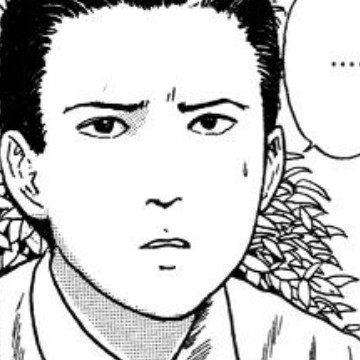
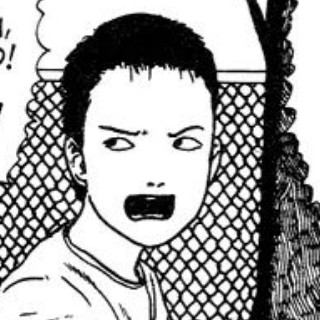
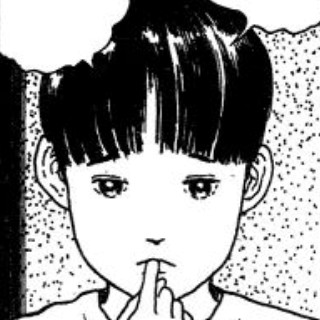
When we talk about horror with regards to Junji Ito, we often talk about the body horror aspects more often than not. We discuss slug-people, Spirals, and a certain girl who can not die. But in The Bully, Ito has crafted what I believe to be one of his most successfully-unnerving horror stories to date.
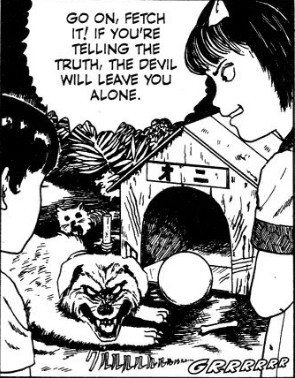
Although Kuriko is the main character here, I couldn’t help but empathise with Nao in those flashbacks. Where he was made to drink dirty water; where he was made to confront the scary dog “Devil”; and where he is beaten with a stick.
How Ito manages to bring to the page the horrors of being bullied is impressive. The innocent character of Nao was a perfect vessel in which we can put all of our hope and caring natures in to. Kuriko, on the other hand, was the perfect vessel for evil.
Although…
The fact that our introduction to Kuriko is at a point in life where she seems settled, and is opening up about her past, gave me a positive feeling about her. And just as negative first impressions can colour our image of people, I think positive ones can too.
Because of this, I found myself never really hating her, save for the dog scene and the beating. I found myself not liking her actions, but thinking about how we aren’t the same people as we were when we were younger. This doesn’t excuse those actions, but she is confessing through an apparent weight of guilt.
Of course in the story’s closing panels we do get to see her character transform into what she was perhaps destined to be. That closing panel of The Bully is one of the most frightening I have come across. Ito has always had a good eye for a great closing image that can haunt you, but this takes the prize.
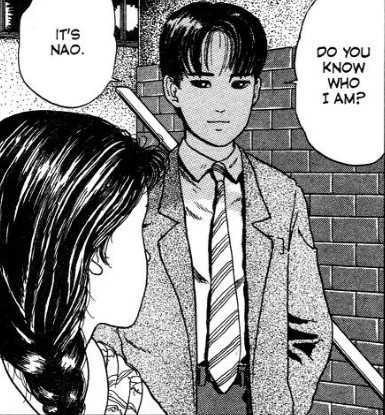
When stories take on the heavy subject of abuse, there are often times when the one who was abused later becomes the abuser to another. The cycle of violence. But something that I found very intriguing in The Bully, was that Junji Ito seemed to turn those ideas on their heads.
Kuriko seemed to have a nice family upbringing from what I could see in the flashbacks and yet something in her snapped at a young age. Then after being bullied relentlessly by her, Nao seemed to actually grow up to become a well-adjusted adult. He had a solid job and actually reminisced about his younger days with a kind of fondness. Love is blind, it seems.
But the story’s big reveal doesn’t show this violent nature being passed on to her child, but instead — and ultimately more terrifying — it shows Kuriko relapsing and unleashing a scarier version of her buried self.
Not only do we know what she was capable of as a child, but we know she is now a fully grown woman with the added strength that brings. And we know she is mentally unstable — mistaking her young son for the once-young Nao. But what we don’t know, is what ends up happened to her new victim. With it ending with a walk to the park, perhaps the real horror will live on in our minds trying to imagine what will happen next.
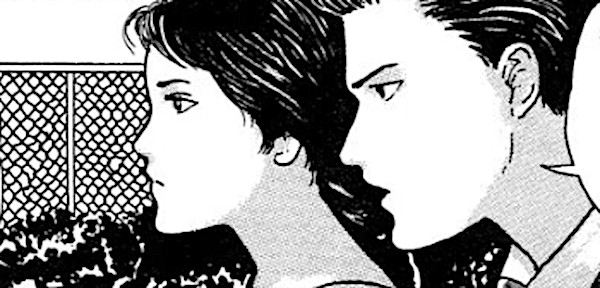
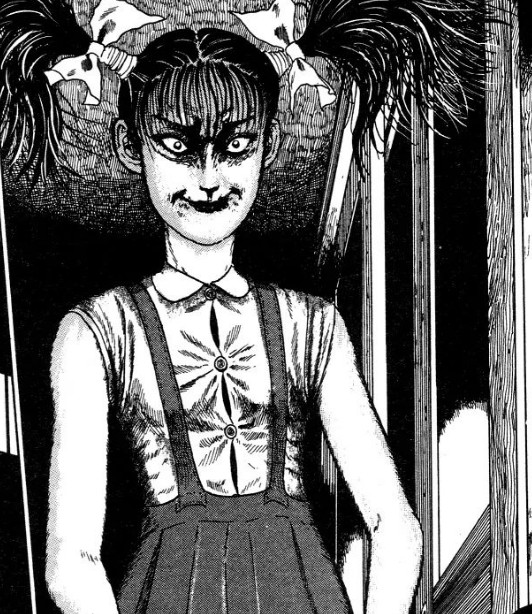
The Bully has been getting recommended to me for a while now, and I never got round to reading it until recently. Now I see what all the fuss is about. This story is one of Junji Ito’s crowning achievements in my opinion. The way that he has developed each of the characters and gone against what you would perhaps have guessed would happen with them, is a stroke of genius.
Ito never takes the easy way out; he always pushes up to the boundaries and often past them. Despite him being one of the most accessible horror manga artists of our time, he remains one of the most terrifying and creative too.
If you want to jump into the deep end of horror manga but without all of the blood and guts, then Junji Ito’s The Bully is literally the perfect example of a story to read. It is also a self-contained one shot, standing at just 30 pages. So you could read this in one short go.

Archie during my dog-sitting week.
Woof woof! Woof!
Archie, circa 2019
The Junji Ito Manga Site is my dedication to the works of acclaimed Horror Manga artist and writer, Junji Ito.
Ever since I read my first manga, The Enigma of Amigara Fault, I was hooked on Junji Ito’s work. I couldn’t quite describe the feelings that his work gave me.
I was unsettled;
I was excited;
and I loved it.
After writing about his, and other artists’, works on my other website, the Horror Manga Site, I have decided to focus in on just Ito’s work for now. Hence this new website.
It is still early days and so the website itself still needs some work. However, it is working fine and all of my posts can now be read.
There are just some style tweaks I’d like to make.
I will be looking to add reviews for all of Ito’s manga stories over the coming months, as well as the Anime and Films that have been based on his work.
I’d also like to share cool cosplays and fan art that I come across too, with full credit given to the creators of course.
I’m very excited about what the next year and beyond could bring with this site and would love for you all to join me on this journey.
I would also like to take this opportunity to thank all of the people who have supported me throughout my writing on the Horror Manga Site. I appreciate each and every one of you and am looking forward to bringing you even more from here going forwards.
All the best to all of you,
Dave.

Loving the recent formats of the TV series Archer. Finally got back into watching it – Dreamland was great and just about to start Danger Island.
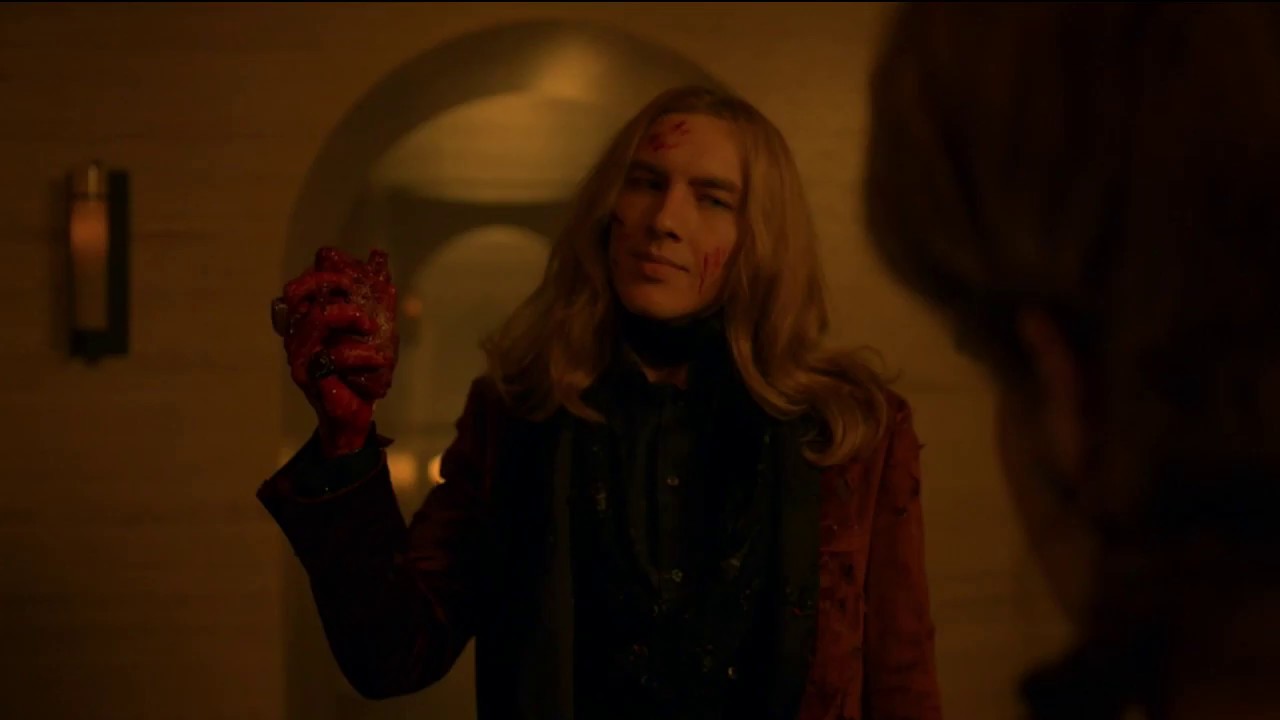
Once again, I have left the current series of American Horror Story until months after it has finished airing. I think it must be something inside me that doesn’t want to reach the end.
Last night I watched four episodes back to back — and I absolutely loved it. The old characters that have been making appearances have been so great. And the music, as always, is terrific.
Can’t wait to see how this series wraps up, and of course to begin 1984 in a few months time.


This is a quick brain dump for myself to remember how I set up Laravel with Docker. Hopefully it can help others out also.
I tried to avoid Docker for the longest time due to the ease of just running php artisan serve. However, when you have some dependancies that your site will rely on, Docker can be helpful — especially when having multiple developers — in getting up and running with the whole codebase easier.
This post assumes you have setup a basic Laravel project on a Linux computer, and have both Docker and Docker Compose installed locally.
This is only a basic example to get up and running with the following dependancies. You can add more items to your docker-compose.yml file as you need to.
Note: whatever you choose to name each extra service in your docker-compose.yml file, use its key as the reference point in your .env file.
Have a file in the project root, named `docker-compose.yml
version: "3.3"

services:
  mysql:
    image: mysql:8.0
    restart: on-failure
    env_file:
      - .env
    environment:
      MYSQL_ROOT_PASSWORD: ${MYSQL_ROOT_PASSWORD}
      MYSQL_DATABASE: ${MYSQL_DATABASE}
  nginx:
    image: nginx:1.15.3-alpine
    restart: on-failure
    volumes:
      - './public/:/usr/src/app'
      - './docker/nginx/default.conf:/etc/nginx/conf.d/default.conf:ro'
    ports:
      - 80:80
    env_file:
      - .env
    depends_on:
      - php
  php:
    build:
      context: .
      dockerfile: './docker/php/Dockerfile'
    restart: on-failure
    env_file:
      - .env
user: ${LOCAL_USER}Have a Dockerfile located here: ./docker/php/Dockerfile. I keep it in a separate folder for tidiness.
# ./docker/php/Dockerfile
FROM php:7.2-fpm

RUN docker-php-ext-install pdo_mysql

RUN pecl install apcu-5.1.8
RUN docker-php-ext-enable apcu

RUN php -r "copy('https://getcomposer.org/installer', 'composer-setup.php');" \
    && php -r "if (hash_file('SHA384', 'composer-setup.php') === '48e3236262b34d30969dca3c37281b3b4bbe3221bda826ac6a9a62d6444cdb0dcd0615698a5cbe587c3f0fe57a54d8f5') { echo 'Installer verified'; } else { echo 'Installer corrupt'; unlink('composer-setup.php'); } echo PHP_EOL;" \
    && php composer-setup.php --filename=composer \
    && php -r "unlink('composer-setup.php');" \
    && mv composer /usr/local/bin/composer

WORKDIR /usr/src/app

COPY ./ /usr/src/app

RUN PATH=$PATH:/usr/src/app/vendor/bin:bin
Have a default.conf file for the project’s nginx container saved here: ./docker/nginx/default.conf
# ./docker/nginx/default.conf
server {
 server_name ~.*;

 location / {
     root /usr/src/app;

     try_files $uri /index.php$is_args$args;
 }

 location ~ ^/index\.php(/|$) {
     client_max_body_size 50m;

     fastcgi_pass php:9000;
     fastcgi_buffers 16 16k;
     fastcgi_buffer_size 32k;
     include fastcgi_params;
     fastcgi_param SCRIPT_FILENAME /usr/src/app/public/index.php;
 }

 error_log /dev/stderr debug;
 access_log /dev/stdout;
}There are some variables used in the docker-compose.yml file that need to be added to the .env file. These could be added directly, but this makes it more straightforward for other developers to customise their own setup.
MYSQL_ROOT_PASSWORD=root
MYSQL_DATABASE=example
LOCAL_USER=1000:1000
The MYSQL_ROOT_PASSWORD and MYSQL_DATABASE are self-explanatory, but theLOCAL_USER variable refers to the user id and group id of the currently logged in person on the host machine. This normally defaults to 1000 for both user and group.
If your user and/or group ids happen to be different, just alter the variable value.
Note: find out your own ids by opening your terminal and typing id followed by enter. You should see something like the following:
uid=1000(david) gid=1000(david) groups=1000(david),4(adm),27(sudo),1001(rvm)uid and gid are the numbers you need, for user and group respectively.
Run the following two commands separately then once they are finished head to http:localhost to view the running code.
Note: This setup uses port 80 so you may need to disable any local nginx / apache that may be running currently.
docker-compose build
docker-compose up -d
Any mistakes or issues, just email me.
Thanks for reading.
Most people probably know the story of Snow White — the seven dwarfs; the poison apple; the prince. But I bet not many know of this version by acclaimed horror Mangaka Junji Ito.
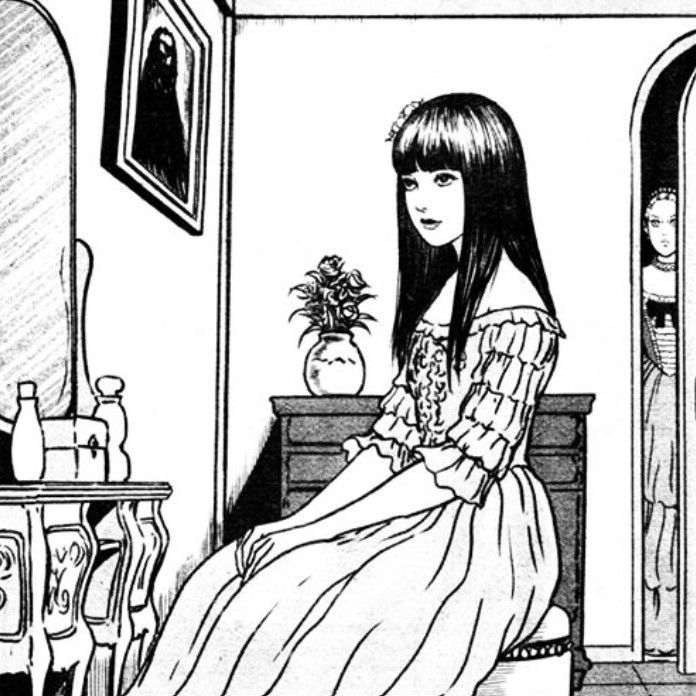
A short version but not one to be missed.
