Watching Ratched S01E01 — Pilot

This website is 100% maintained and written by a human bean. AI is NOT WELCOME HERE.
Watching Ratched S01E01 — Pilot
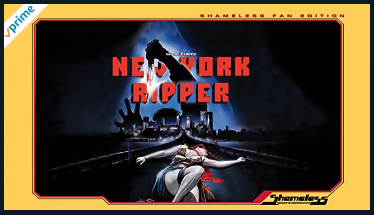
The New York Ripper has been one of the most challenging films I’ve watched in recent times. It’s violence and sexuality are off the charts — all in all a cracking Giallo thriller.
New York is being terrorised by a serial killer who seems hell-bent on cutting up young women, seemingly for some kind of sadistic sexual pleasure. And these acts of violence are put front and centre in your face. Every. Single. Time.
The opening credits consisted only of the still image of the dog with the severed hand in his mouth that he’s just found in a bush. With this and the funky 70s television flavour soundtrack, it felt almost like a black comedy of sorts.
I don’t know why I kept getting the vibes of a black comedy in this film. Perhaps it is the super over-the-top depictions of killing and the fact that the killer pretended to be a duck whilst murdering people.
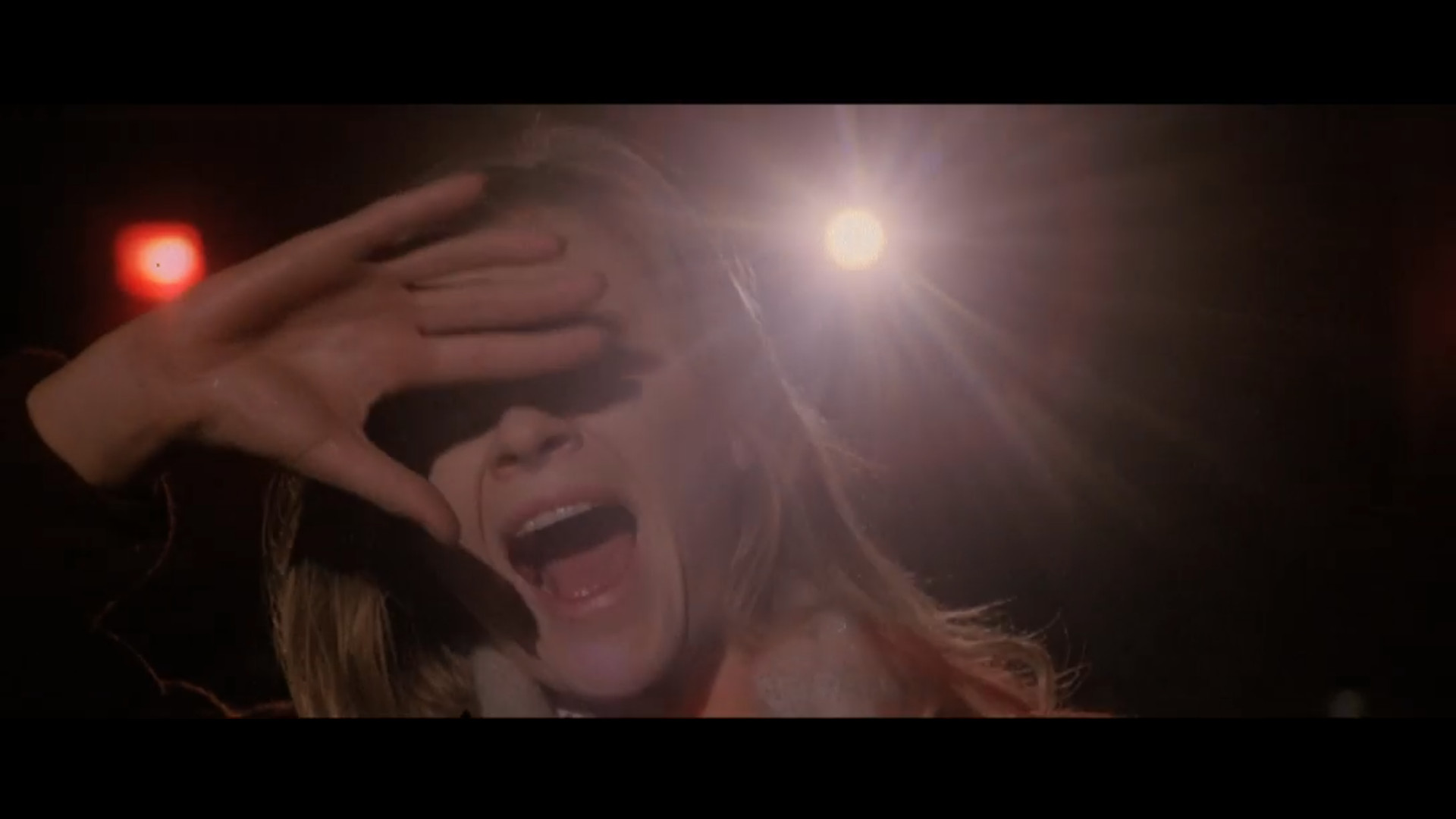
Ducks… Yer… So, the killer begins quacking like a duck as they begin violently cutting open their victims. Stay with me though. At first it was kind of funny and a complete juxtaposition to what was going on on-screen.
But as the film went on, that sound became bloody terrifying to me. Like a razor sharp shriek cutting straight into my brain. Walking down the canal feeding the ducks with my lady will never be the same again…
I liked how there is actually a reason for that duck sound too (no — the killer is not a duck) and it is actually more of a grounded reason than I was thinking it would be.
And when it comes to the identity of the killer, I found myself guessing right up until the point at which one of the characters clocked it. Yes I am a bit slow, but I think that Fulci did a great job at dropping red herrings here and there.
Only after I wrote that heading did I realise how mental it sounds. Oh well, it’s staying. haha.
I don’t often find any sort of pleasure out of people being killed in films — unless they have it coming of course — but I can appreciate a really stunning piece of cinematography from the violence. And this film has those throughout — and not always in relation to a death scene.
Despite many of the scenes being so graphic — in both sex and violence — the director, Lucio Fulci, has created some incredible-looking sequences throughout his film, that just beg to be looked at again and again.
The way in which he uses colour alone is incredible — most notably a scene with live sex performer Eva, as she is returning to her dressing room.
I loved this section so much that I have included five none-spoiler screenshots of it here:


Eva’s scene reminded me of Alfred Hitchcock’s Vertigo. Specifically a hotel room scene in which a character is bathed in the neon green light of the hotel sign outside the window. This isn’t the first time I am reminded of Hitchcock’s work in a Giallo film either.
Some of the scenes in New York Ripper reminded me heavily of a more modern film I’ve seen too — The Neon Demon. No doubt the director of that film, Nicolas Winding Refn, took heavy inspiration from the Giallo genre — something I am only just uncovering for myself in my new obsession.
This scene from Fay’s train ride had some great set pieces in it too. The train itself and shortly after, the cinema:

If you are feint of heart please do not watch The New York Ripper. It uses extreme close-ups of killings like my partner uses Ketchup: in large doses.
However, if you dig over-the-top violent scenes with elements of beauty in films, then this could be right up your street.
Despite my constant mention of violence and sex in this film, it does have a good story. A story quite typical in the world of slasher / giallo films I think: detective tries to track down violent serial killer as more killings unfold in more beautiful and dramatic ways.
And although it shares so many Giallo characteristics, it is uniquely memorable in so many ways.


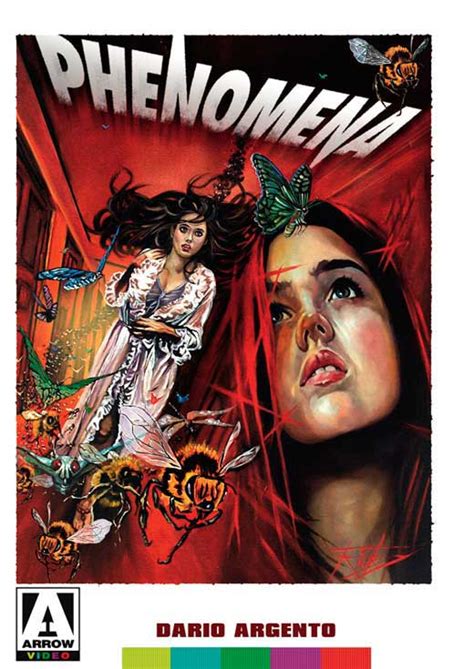
The next film in my Giallo journey was Dario Argento’s Phenomena — arguably one of his best. Although, to be fair, I haven’t seen a bad Argento film yet.
From it’s wide open start amongst the Swiss countryside — where a student girl misses her bus — to the claustrophopic, insane ending, this film had me hooked and anxious throughout.
I thought that with Jennifer Connelly as the main star, along side Donald Pleasence, I would feel relatively safer than I have with previous GIallo films. I knew her mainly for the film she did the year following Phenomena: The Labyrinth. But how wrong I was.
The film is about a young girl, Jennifer, who is sent to a Swiss girls school by her father. She already knew that she had an affinity with insects, but it is during her short stay at this school where her affinity grows stronger and stronger.
In the area there is a serial killer who seems to be picking off the girls from the school. And after Jennifer witnesses something she shouldn’t have whilst sleep walking, she fears that she is next.
In her travels she meets a local scientist — one who specialises in insects (very apt) — who she teams up with to try and track down this killer on the loose.
Phenomena’s soundtrack was partly done by Goblin, as with other films of Argentos’. And it is as awesome as you can imagine, (if you’ve seen films like Deep Red or Suspiria before). If you haven’t, then you are in for a real treat in experimental music.
Joining Goblin, and some others, on this kick-ass soundtrack, is none other than Iron Maiden. Namely the song “Flash of the Blade” from their 1984 album “Powerslave”. One of my favourite Iron Maiden albums, and the first album of theirs that I bought coincidentally.
The soundtrack does wonders for this film’s pacing. At one point I was anxious and nervous following these characters. But then when that crazy opening to “Flash of the Blade” came on, a huge smile took over my face. I found myself simultaneously foot-tapping to a great song i’d forgotten about, and worried for a woman’s life as she ran from a merciless killer.
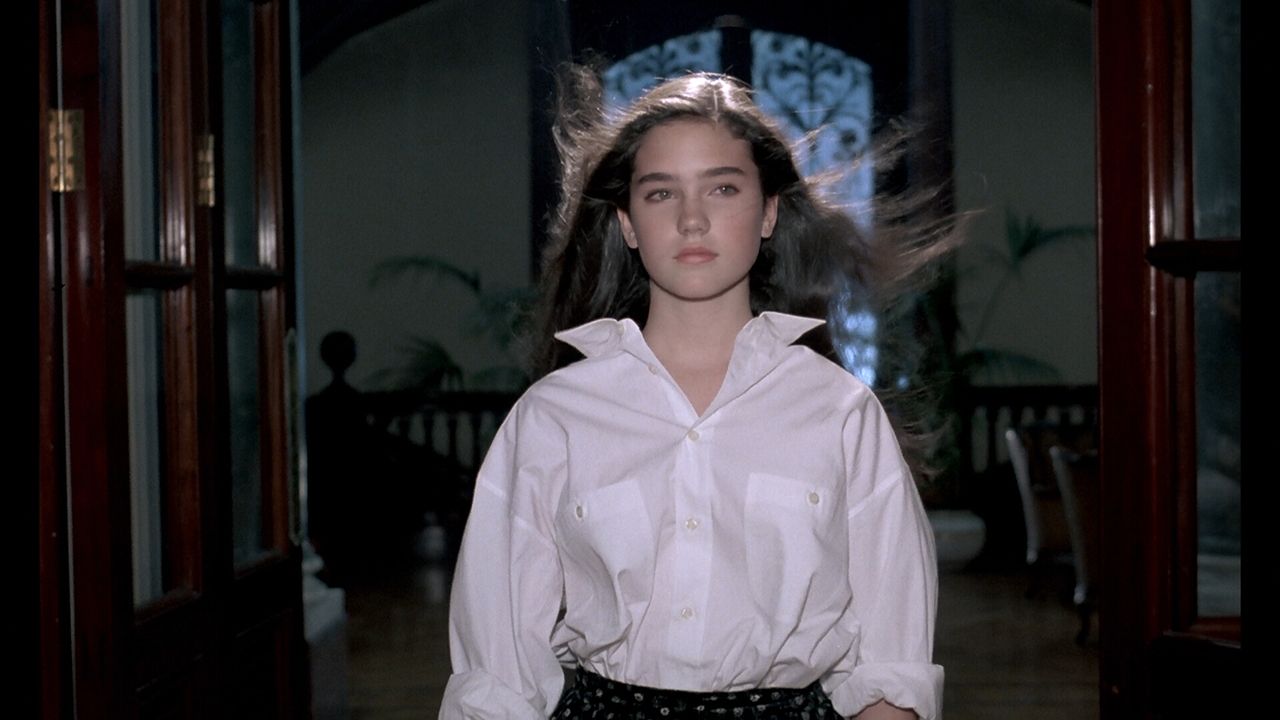
Alfred Hitchcock is a huge influence on so many film makers, especially the ones worth their salt in my opinion. Some directors make this more obvious than others in some of their films (and I don’t mean that negatively). One good example that springs to mind is the look and feel of Martin Scorsese’s Cape Fear. I remember feeling that if Hitchcock was alive and made that film, it would be very similar aesthetically*. This was aided in no small way by employing Hitchcocks long-standing music maestro Bernard Herrmann.
*Disclaimer: I’m not a film student so am probably talking absolute crap 😀
Anyway, there is a scene in Phenomena where Jennifer is trying to track down the killers hideout using a very unconventional method — I’ll let you discover the method. But method aside, the entire bus ride she takes from the town centre out to the rolling swiss countryside hills was a complete callback for me to Torn Curtain — Hitchcock’s lesser-known, but no less incredible, political thriller film from 1966.
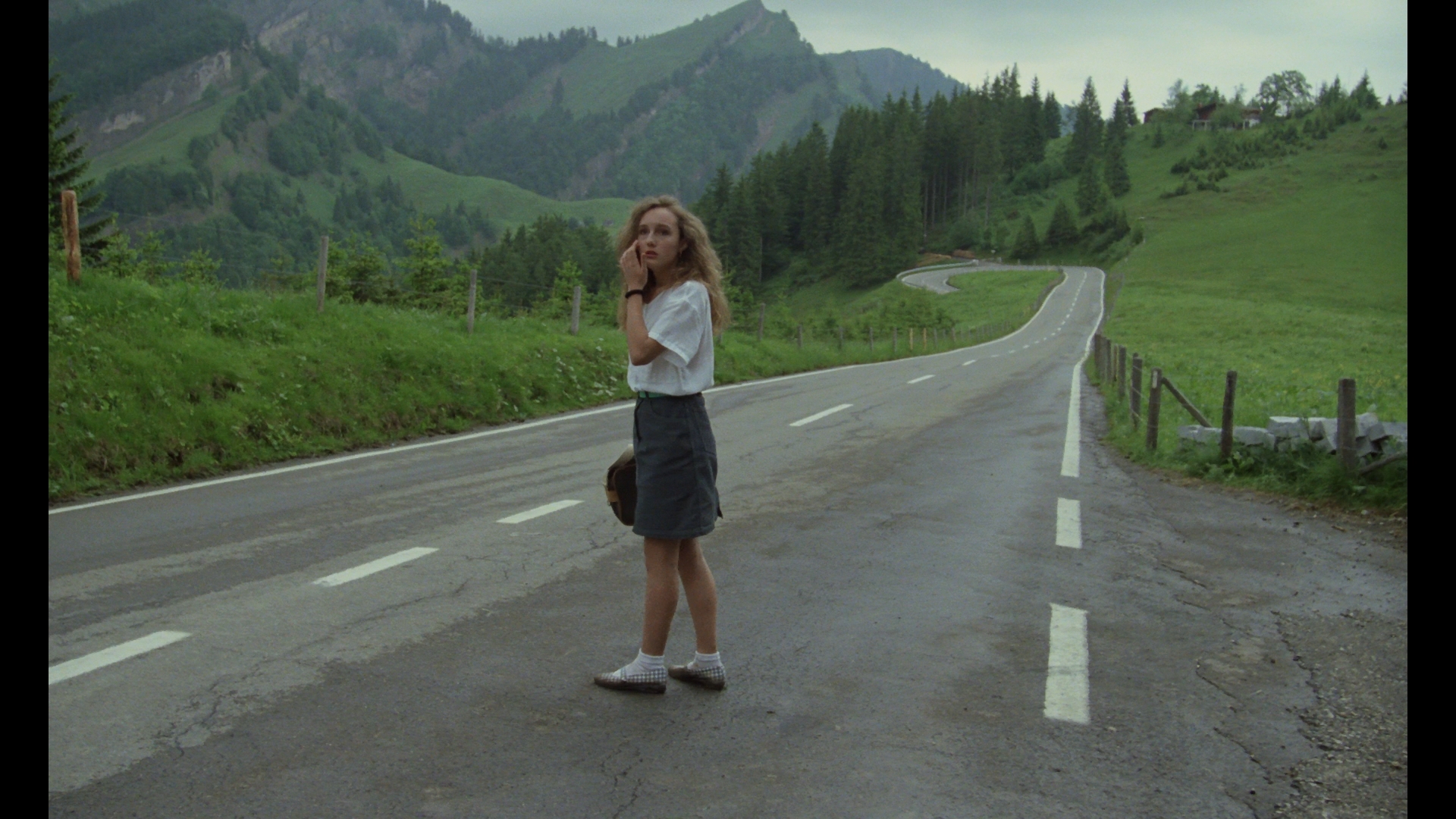
This feels like the most accessible of Argento’s films I’ve watched up till this point. I mean, they have all been on Amazon Prime, but due to the use of more western actors who I’d known from previous films, this film felt that bit more familiar to me. Of course this is only from my own perspective. Also I often prefer not knowing any actors in these Giallo films — it somehow makes them feel more dangerous.
That said, I thoroughly enjoyed Phenomena for every single moment of its almost-two-hour run time. One thing I’m noticing from Argento is that I am finding myself remembering so much from his films — due to so many of his scenes feeling so iconic.
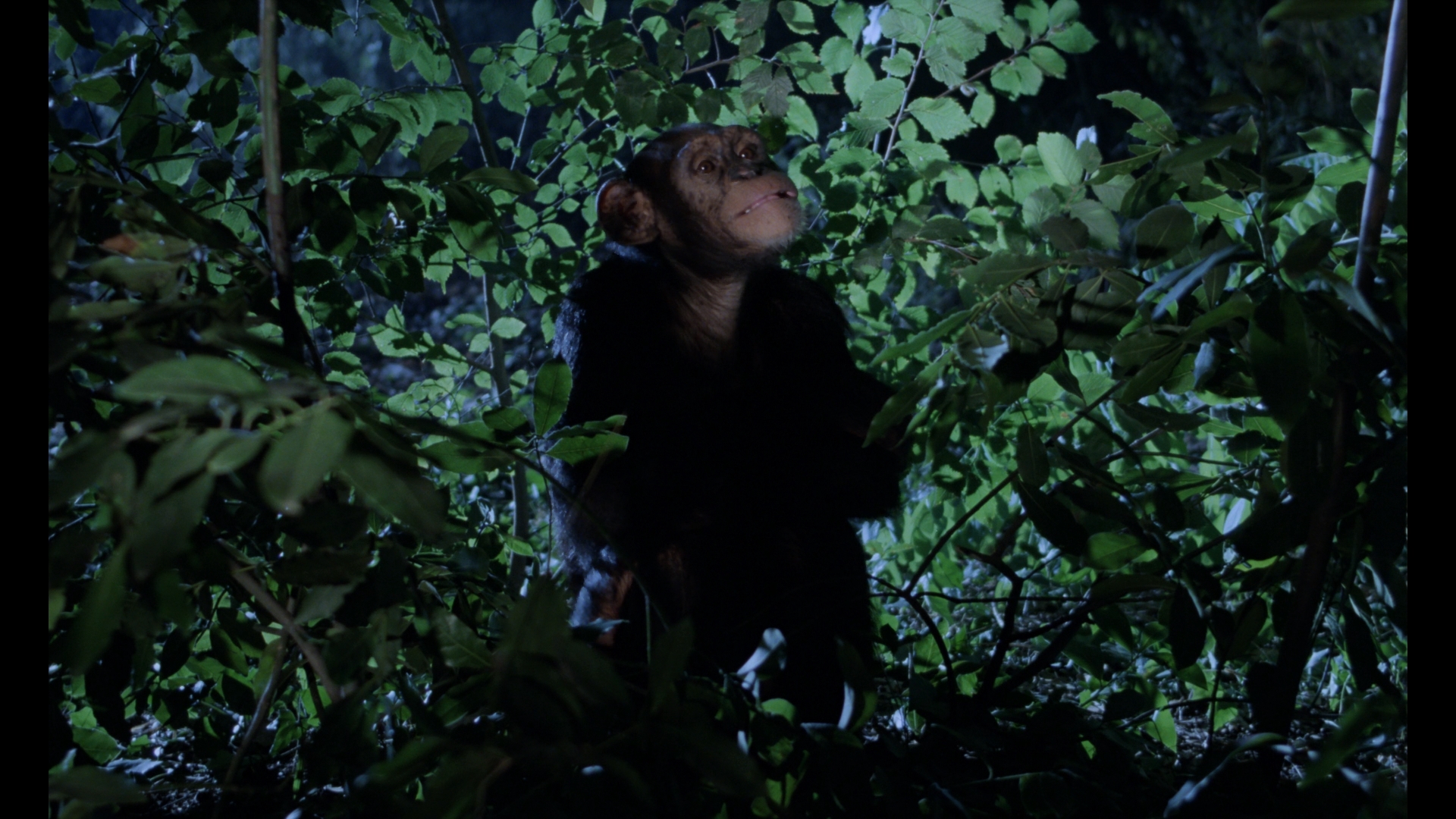
The violent pane-smashing opening, the unconventional vat of… stuff, and of course that scene with the chimpanzee (spoiler: the chimpanzee survives this crazy story**).
**If I thought a Chimpanzee was going to be killed I probably wouldn’t watch it, so wanted to put your mind at ease there. 🙂
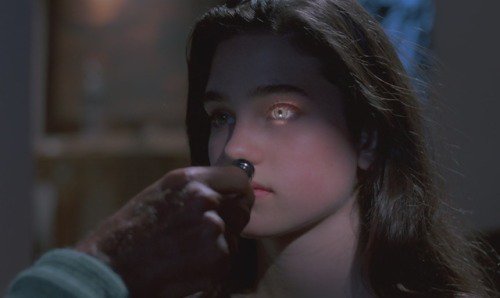
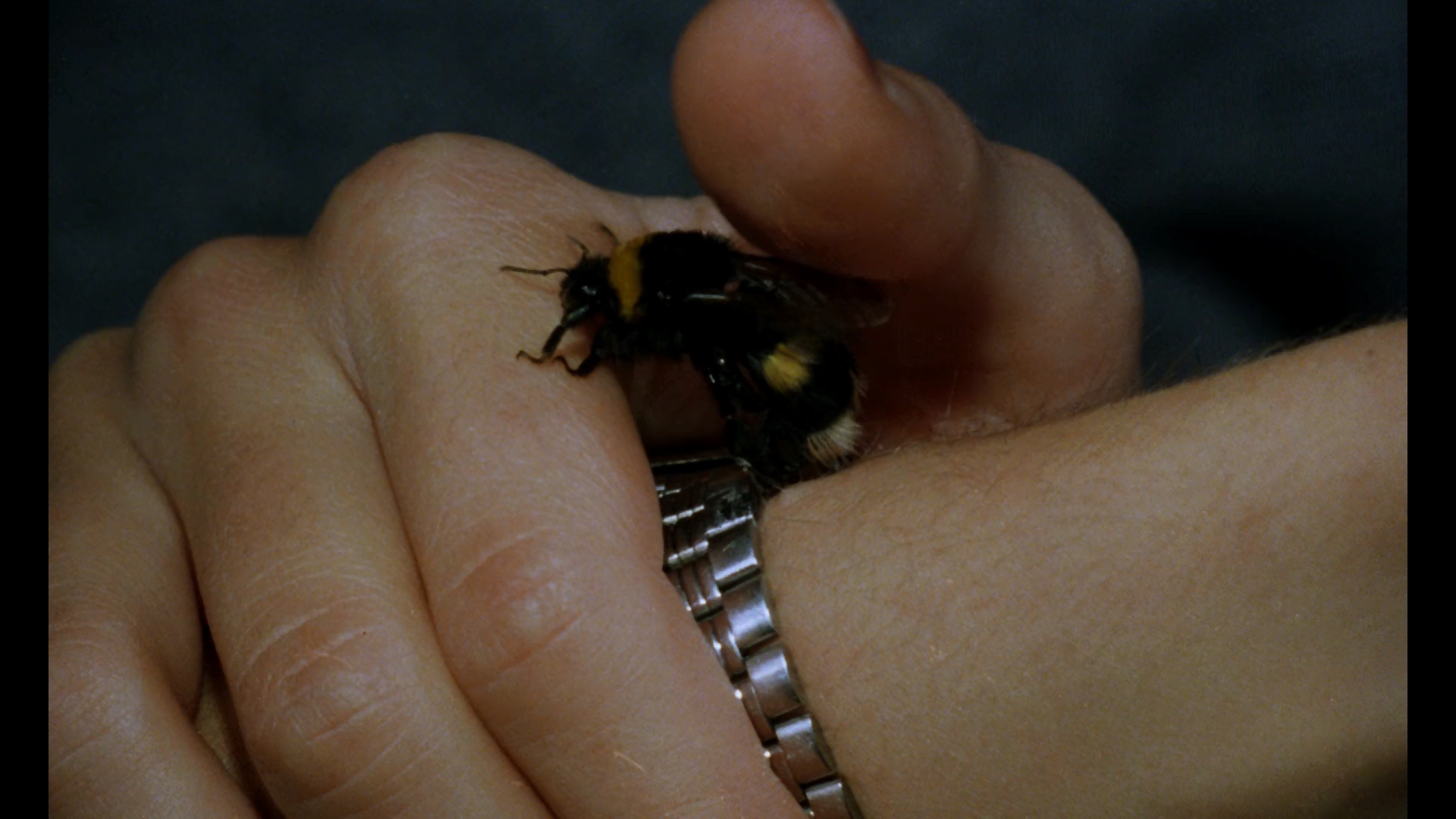
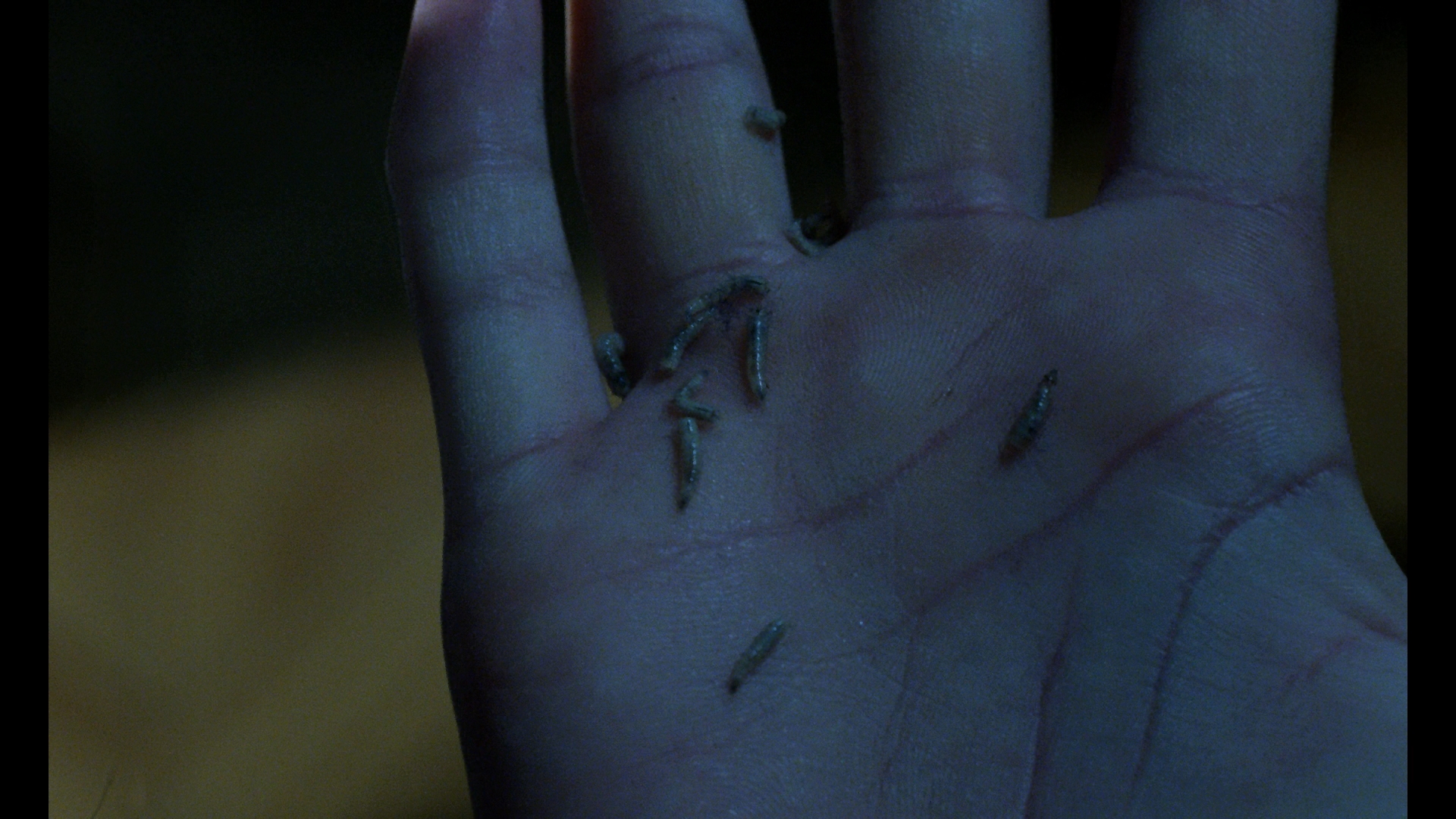


Initial thoughts
What a fucking incredible film. From start to finish I was gripped. Jennifer Connelly is great; Dario Argento is at the top of his game; and Donald Pleasance was a joy to watch as always.
The film was violent, creative and awe-inspiring in equal measure.
And that ending. That vile ending that just kept me second guessing myself until the credits rolled.
Thank you once again, Argento you crazy beautiful film maker.
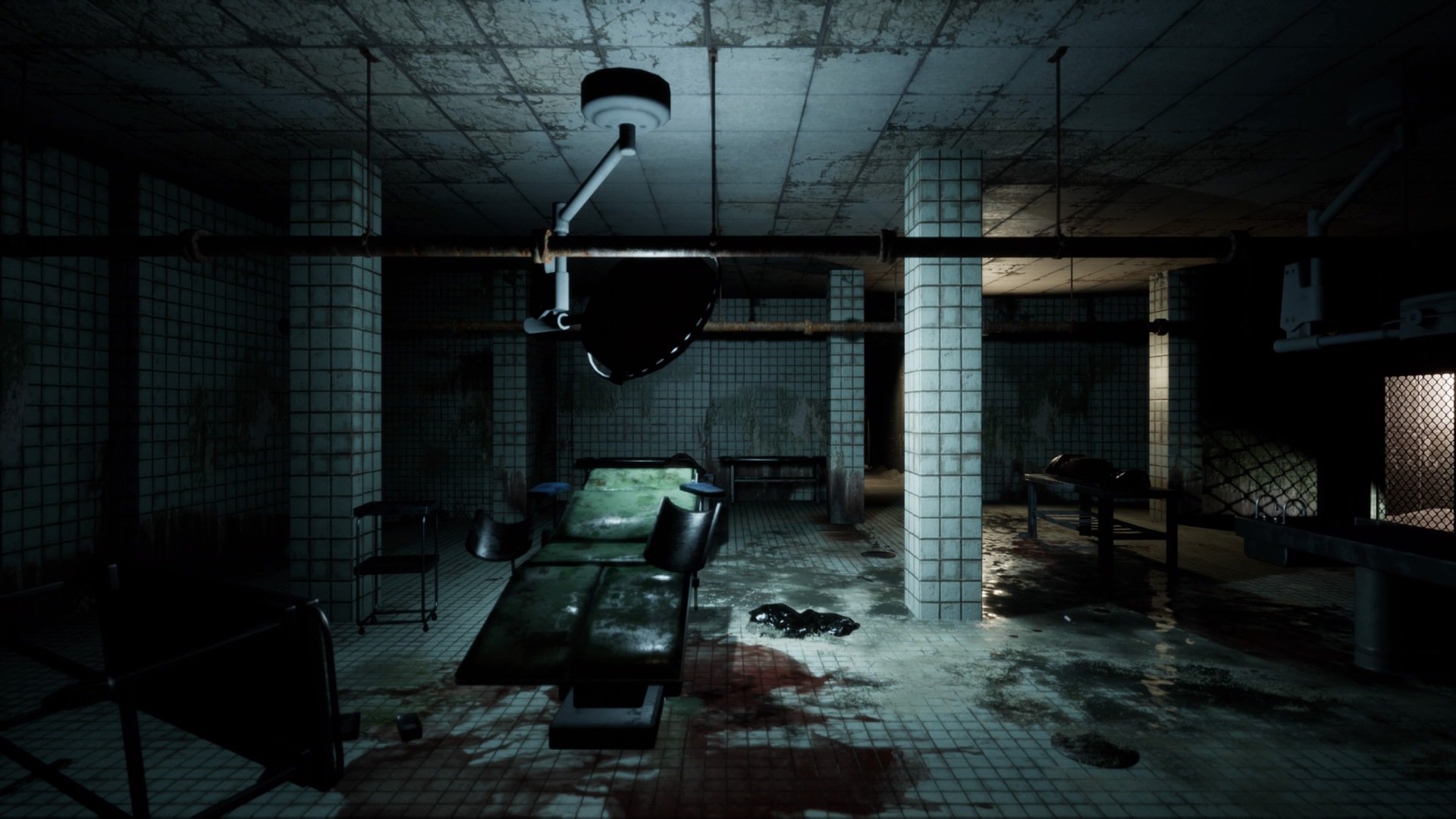
I picked up Welcome to Hanwell for a few quid in a recent PlayStation Store sale. On first playing it has a good creep factor. Waking up in a morgue and taking your first steps in the dark, dank blood-splattered underground is a great introduction to any horror game.
The opening had me walking through a couple of corridors into the adjoining rooms and office, as it taught me the basic game controls and mechanics. One of these mechanics was looking behind you as you run — this can only mean bad things ahead.
I love the atmosphere of the game so far — despite having been unable to escape this basement area for about 45 minutes or so. The idea of an open-world horror game does tickle my fancy somewhat, so I really hope I can get past this first challenge.
And no — I’m not going to spoil what that challenge is. 😀



I have to mention one thing that has me a bit miffed. I can not find any option to invert the Y axis. 🙁 . This may seem like a petty thing, but I find it super jaring to play any game without the inverted Y axis. I think this can only be due to the many many hours I spent playing Ace Combat 2 on the PlayStation as a youth.
I have tweeted the developers in the hope that it could perhaps get added in an update. Not sure if this will happen, but if you don’t ask you don’t get.
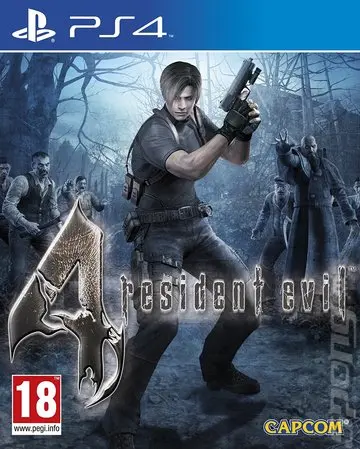
It’s felt like the longest time to get into the swing of things with Resident Evil 4.
When I first tried it about four or so months ago, I didn’t get the appeal – at least not now in a post – RE2 Remake world. After my first failure and struggling with the control system I didn’t think I’d ever go back.
But I did go back — months later — and I am so so glad I did.
Resident Evil 4 has become a favourite of mine. I would put it alongside RE2 Remake in terms of enjoyment and replayability.
The control system felt entirely foreign to me on that first play months before. I went into it expecting similar fluid controls of the recent RE remakes, but instead was greeted by something half way between that and the old tank controls of the originals.
The aiming felt so constricted — having to stop running, begin aiming, and then slowly move the gun’s reticle to where I needed to shoot.
However, after an hour or so of playing something happened — I noticed that I was just moving along and playing the game. I was no longer forcing anything.
What I first thought to be constricting was in fact what was helping to give tension to the game play. The fact I couldn’t walk and shoot meant I had to choose my moves more wisely.

The Eastern European setting is absolutely gorgeous. And the excellent soundtrack really helps tie the whole thing together.
The game never lost its claustrophobic feel for me either. Despite the early parts of the game being in relatively more open surroundings, the levels are designed in a way that leaves many corners to be surprised from. There were many times when I would hear a shuffling noise and not be able to fully pin point it.
Later on, the setting takes on a more Gothic tone in a huge, decadent castle — before leading you to it’s final location, which I’ll leave you to discover. The castle is a really stunning level and some great, sometimes over the top, moments in it.
I especially enjoyed a no-combat section where you have to control Ashley to get her to Leon safely. Some truly spooky moments in that little section.
Overall, the game was much longer than I was expecting. Just as I thought it was moving towards a resolution a whole new chapter would begin. Despite the 16 or so hours of play time I spent, the experience felt so much longer — and I mean that in a good way.

The game really throws you in at the slightly deeper end. I thought I would never get past the first village encounter — it felt impossible with just too many enemies coming at me at once. But after persevering and reaching the end of the first chapter, it felt like it was all coming together.
The early part of the game sees Leon fighting off the village’s residents who have all become victim to a mind-controlling parasite. Controlled by some unseen entity they run at you before slowing to a walk just a few metres away. This gives you that time to aim the weapon and fire — so they don’t just all run at your face at once.
Later on you’ll meet creepy cultists and flying bugs, before working your way through the game’s hierarchy of main villains.
There was one enemy type in particular that was equal parts inventive and terrifying. But I’ll leave you to discover those for yourself, should you dare to play. 😛

Resident Evil 4 went from being a game I couldn’t stand — just down to it’s controls — to one I couldn’t do without now. After getting past the initial confusion over the half-tank/half-fluid control system, it really is a blast to play.
The village and Gothic setting make me even more excited for the upcoming PS5 “Resident Evil 8 (Village)”. Taking what they learnt and developed with RE7 and applying it to this kind of Gothic setting, Capcom could be making something really special to experience.
I can’t recommend RE4 enough. For it’s crazy story, hideous and tough monsters and often cheesy dialogue.
Leon needs you.
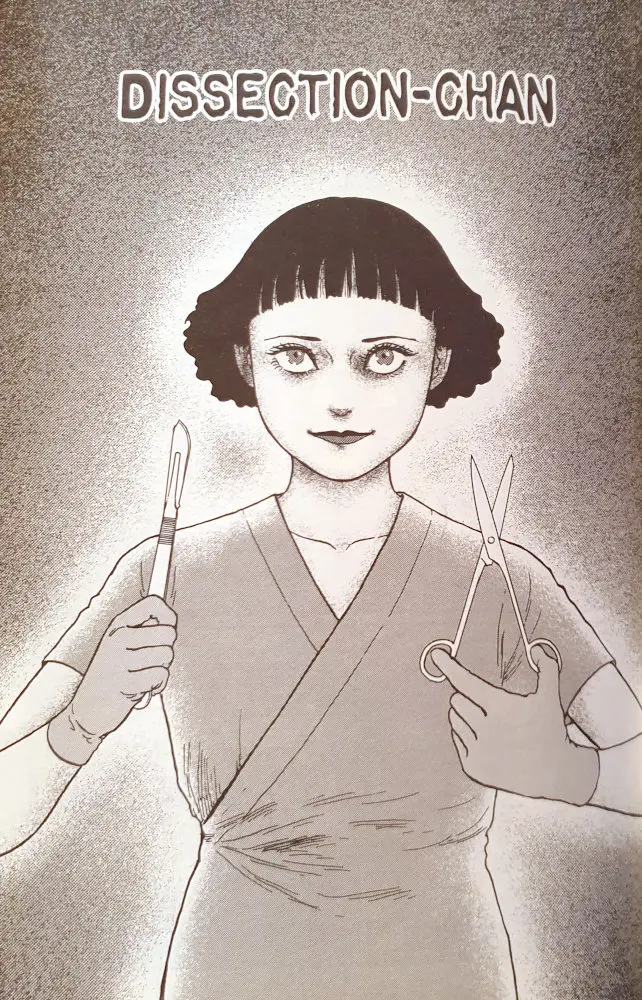
At a local hospital a group of medical students are preparing to start their curriculum on the dissections of cadavers. As each of the student groups opens their body bag they find the old, frail bodies of the dead. People who have graciously donated their bodies to the advancement of medical science.
However, there is one group who conversely find a fresh-faced young woman. Fresh- faced enough that she could almost be mistaken as being alive. And then when she twitches a smile and opens her eyes, the students are stunned. They are greeted by a young woman who is begging to be dissected!
She soon runs out of the theatre laughing to herself. The students are left in shock. All except one, who is sure he recognises the woman from his past. This trainee doctor’s name is Tatsuro Kamata. But just how does Tatsuro know this woman? And where will she appear again?
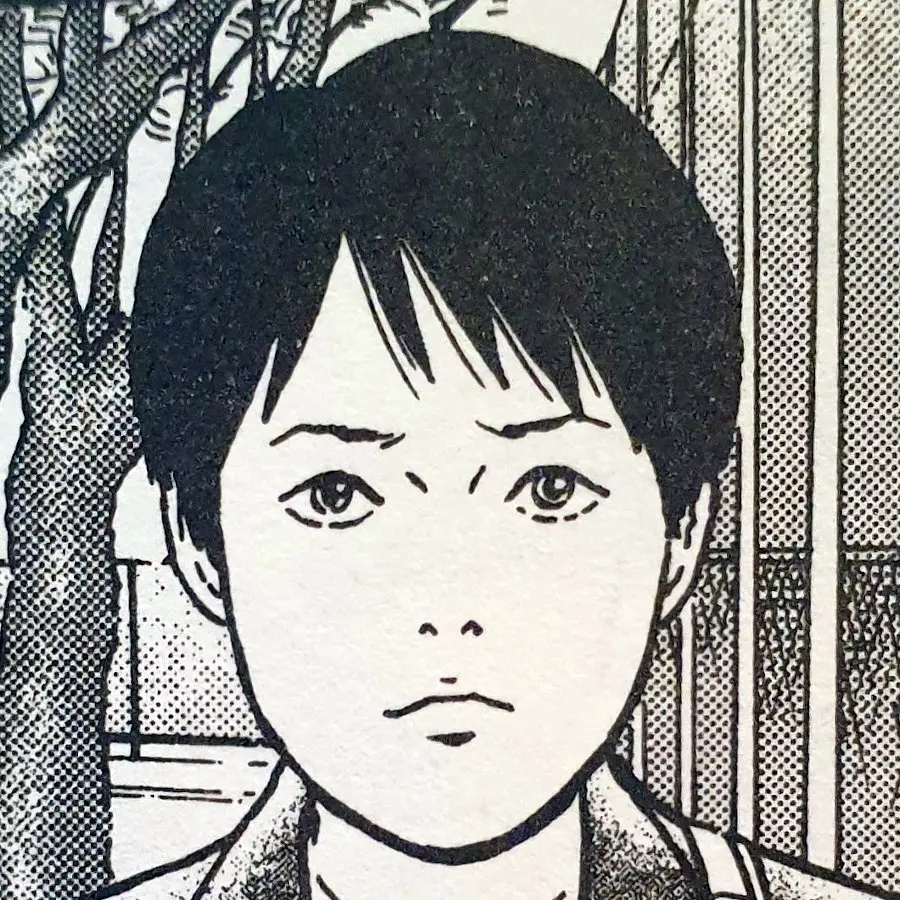
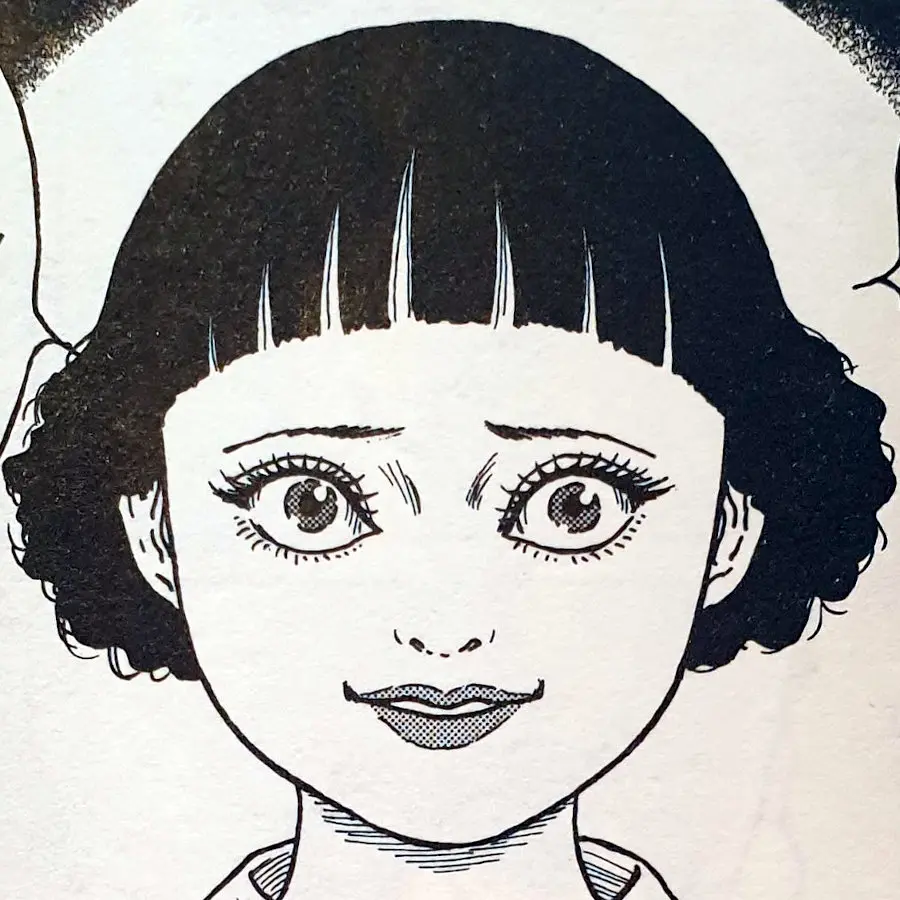
Dissection Chan is, for me, one of the more disturbing stories by Junji Ito. It is also incredibly original and takes a common backstory of psychopaths and gives it an interesting spin.
When hearing those common backstories, especially in criminal investigation programmes, psychopaths often have a similar backstory. They would normally have been known to cut up small insects as children. They will often then graduate to rodents; then sometimes to cats or dogs; before becoming the vicious killer of humans that they are seemingly destined to be.
In Dissection Chan, the title character Ruriko Tamiya journeys along that same path. She begins cutting up frogs, with the aid of a helpless young Tatsuro — the trainee doctor from the story’s opening, and soon gets a hunger for larger animals. Before long she is chasing her friend with a scalpel, looking like she’s almost ready to become the killer she is seemingly growing into.
But what Ito does, very imaginatively, is take those psychopathic tendencies and turn them inwards. Ruriko becomes obsessed with wanting to be dissected herself.

Human’s are often described as having a tendency towards self destruction. Now, I am not a psychology student — my levels of psychology knowledge come from films and Derren Brown. Specifically I remember in Terminator 2: Arnold Schwarzenegger saying to John Connor, about human beings, that “It’s in your nature to destroy yourselves”.
I have also discovered this idea in other stories by Junji Ito. The one that springs immediately to mind is The Enigma of Amigara Fault. In it, people are drawn to the pitch black tunnels in an earthquake fault line carved out in perfect human silhouettes.
Just like the people that are drawn to their own holes in the wall, despite it meaning certain doom, so to is Ruriko drawn to her own doom. Being dissected, if not already dead, would definitely kill you, and she is very aware of this. But maybe the very same “Death Drive” exists in her, making the last few panels of this story inevitable.

The closing panel to Dissection Chan is one of my favourites of all of Ito’s stories I’ve read so far. The insides of Ruriko’s body are like something out of a living nightmare. It’s almost as if the souls of the things she’s dissected and killed over the years have become part of her.
It definitely explains the stomach pains she suffers from.
On a metaphorical level, it feels like it is the sickness inside her that is driving her obsession for dissecting. Something started long ago has being developing inside her. And by the looks of her insides, it is not only driving her to her actions and desires, but it is something she has been feeding too.
It is almost as if her desires in her early days have made way for a biological need to be dissected as of late — in order to let out of her body the rotting, mixed-up living things that have developed inside her.
Well, this is where you come to be dissected, right? I want to be dissected!
Ruriko Tamiya has a very particular taste
Ruriko’s life and her physical body are definitely the result of a very grotesque vicious cycle.
And then there is the sexual deviancy side to it all.
Not only is this woman obsessed with dissection, but in her later years she becomes sexually attracted to it. Soliciting men and begging them to cut her open; then appearing at Tatsuro’s home, as naked as she was on that hospital table, screaming her mantra: “Dissect me!”.
Junji Ito isn’t one to shy away from such sexual scenarios. I remember another character of his from Wooden Spirit, who was depicted as being sexually attracted to the old historical home in the story. Crazy stuff.
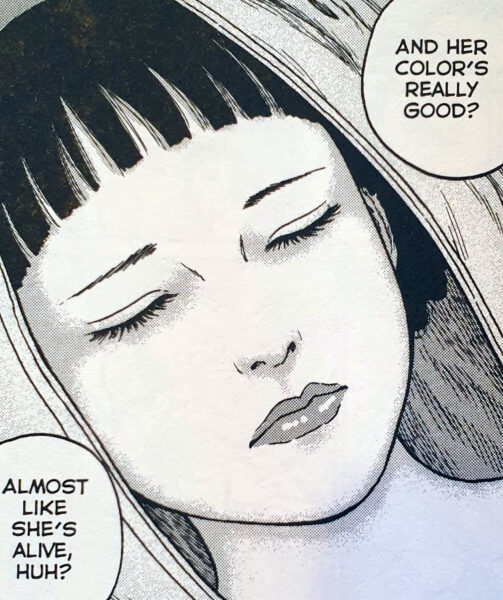
Dissection Chan is incredible. It touches nerves that you possibly don’t know you have. It may even make you question what is possible in the realm of horror and horror manga.
The depictions throughout the story get disturbing at times, but nothing so disturbing that would put you off any of Ito’s other works.
In fact, I would argue that this story is one of the best examples of an Ito horror manga to give you an appetiser for his other stories. It is definitely one of the first I read in the Fragments of Horror collection, and is one I often re-read as well.
Watching Five Dolls for an August Moon by Mario Bava.

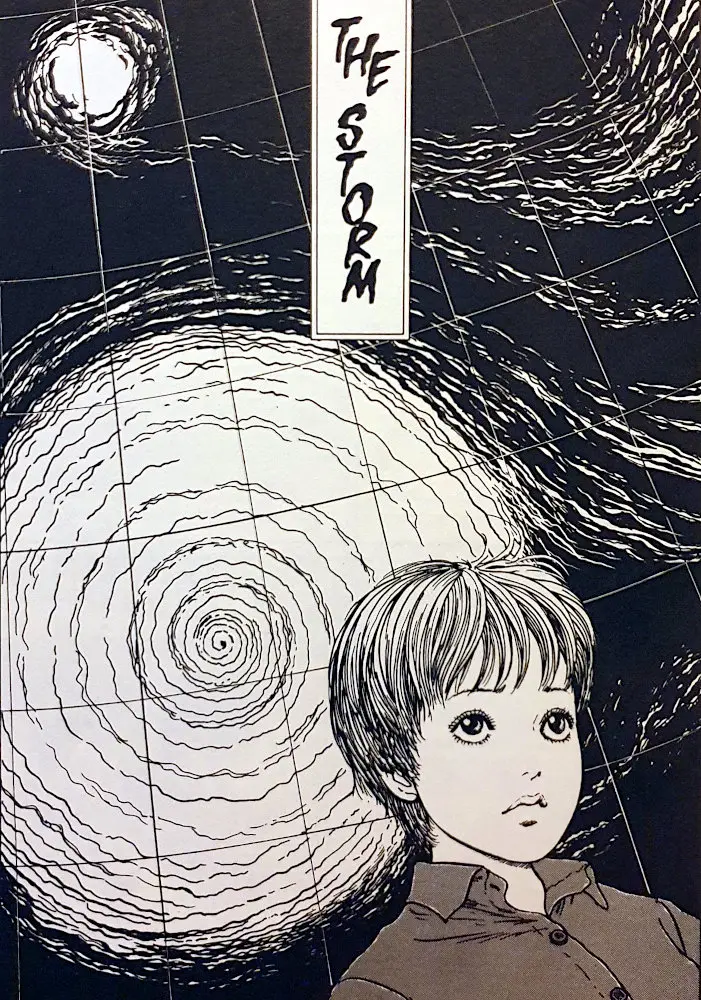

Didn’t you hear the wind last night? The voice of the storm was calling your name!
Kirie is the target of the spiral that haunts Kurouzu Cho, as it seemingly controls a violent typhoon to hit the town hard. As her close friend Shuichi and Her sit on the beach together, Shuichi gets the feeling of the approaching typhoon before the weather forecasters soon confirm it.
Before long the typhoon tears through the town, destroying homes and the streets surrounding them. Kirie does attempt to still take some food to Shuichi that evening but it looks that she is put off by the storm’s power — coupled with the fact that it seems to call out her name on the wind.
All through the night the storm seems to be calling out to Kirie, which confirmed a long-standing theory of mine: the spiral curse is targeting Kirie for some strange reason. As she makes her way to Shuichi’s the next day, He finds her walking halfway there — to his horror.
He warns her that the eye of the storm, the typhoon’s central point, is directly overhead and is watching her! What follows is a violent chase through the streets of Kurouzu Cho as they attempt to escape the storm’s focused eye.


Something about Dragonfly pond wasn’t right ever since those first chapters where it would pull in and absorb the cremation smoke from recent funerals. And now it makes its reappearance as it seems to be the very thing that pulled the typhoon into the town.
Rather than the typhoon and storm being controlled by the spiral curse, it is more likely that something inside Dragonfly Pond is capable of pulling in surrounding things to its centre.
Throughout recent chapters of the Uzumaki Collection, the power that the spiral curse has being displaying has been increasing somewhat. The gross transformations in The Snail; The violent, bloody events at the hospital and the resulting babies born in The Umbilical Cord. The stakes are getting higher and the surrounding people that are being affecting is increasing too.
And at the centre of it all seems to be Dragonfly Pond.

Kirie is front and centre the target of the typhoon, and by extension the spiral curse itself. But this is nothing unusual. She has always been around many of the strange occurrences in the town. This may even have led some to think she was a cause of them. However, this chapter seems to make clear that the spiral is actually targeting her.
Could it be that all of the things that happened before were in fact ways that the spiral was trying to get close to her? The parents of Shuichi right back at the start; her father’s furnace in The Firing Effect; her admirer in Jack in the Box; even the boy who transformed into The Snail in her classroom.
Part of my own theory about Kirie is to do with the location of her family home. She lives with her family right next to Dragonfly Pond — the place where a few of the occurrences of the spiral have happened. There was the cremation smoke in The Spiral Obsession part 2 being sucked into it; the pottery made from the pond’s clay in The Firing Effect; and now the storm being drawn into the centre of the pond.
It just feels like too much of a coincidence for her to live next to this pond and then go on to be targeted by the spiral.

Junji Ito’s art is always something to marvel at. His detail and imagination go hand in hand in creating some of the most awe-inspiring and disturbing visions from the world of Horror Manga.
With The Storm specifically, I wanted to draw special attention to the amount of detail he puts into the chaos in the story. Half of the story is Kirie and Shuichi being chased by the storm across Kurouzu cho, as it tears open beings and local districts. The town really is starting to fall victim to this curse’s power on a much wider scale now.
In many of the panels in this chapter you really can see the time and effort put into every frame. Into creating the believable, frantic journey that these two friends must endure. You can feel the biting storm; the unforgiving wind; and the utmost sense of urgency as they try to escape the eye of the storm.

The Storm gives a solid answer to something I had been thinking up till this point in the collection. That Kirie is in fact the target of the Uzumaki; that it seems to have some kind of designs on her.
When viewed in isolation the events of this collection, although very strange, don’t seem to be targeting her as such. But when I was looking back after reading The Storm, the pieces seemed to start spiralling into place.
I probably wouldn’t recommend reading this chapter alone, without knowing the surrounding story that is happening. Although it does stand on its own and shows Ito’s incredible skill, you should definitely read this as part of the collection as a whole. I think it deserves to be understood in it’s wider context.
I’ve not really seen or heard much on the new 4-part Uzumaki anime series coming on Adult Swim next year. However, after seeing this teaser and I am now officially excited!
It seems to look like they have actually taken panels from the manga and animated them, as opposed to re-imagining them. And the effect looks incredible in my opinion.
Kirie looks gorgeous and the section showing her looking up at the face in the cremation smoke creates a stunning effect (no spoilers on who’s face it is :P)
I’m really looking forward to this series but I do hope that each episode is around an hour long at least. 4 parts seems way too little to fit the entirety of the Uzumaki Collection in to. And surely they can’t be taking any chapters out of it?
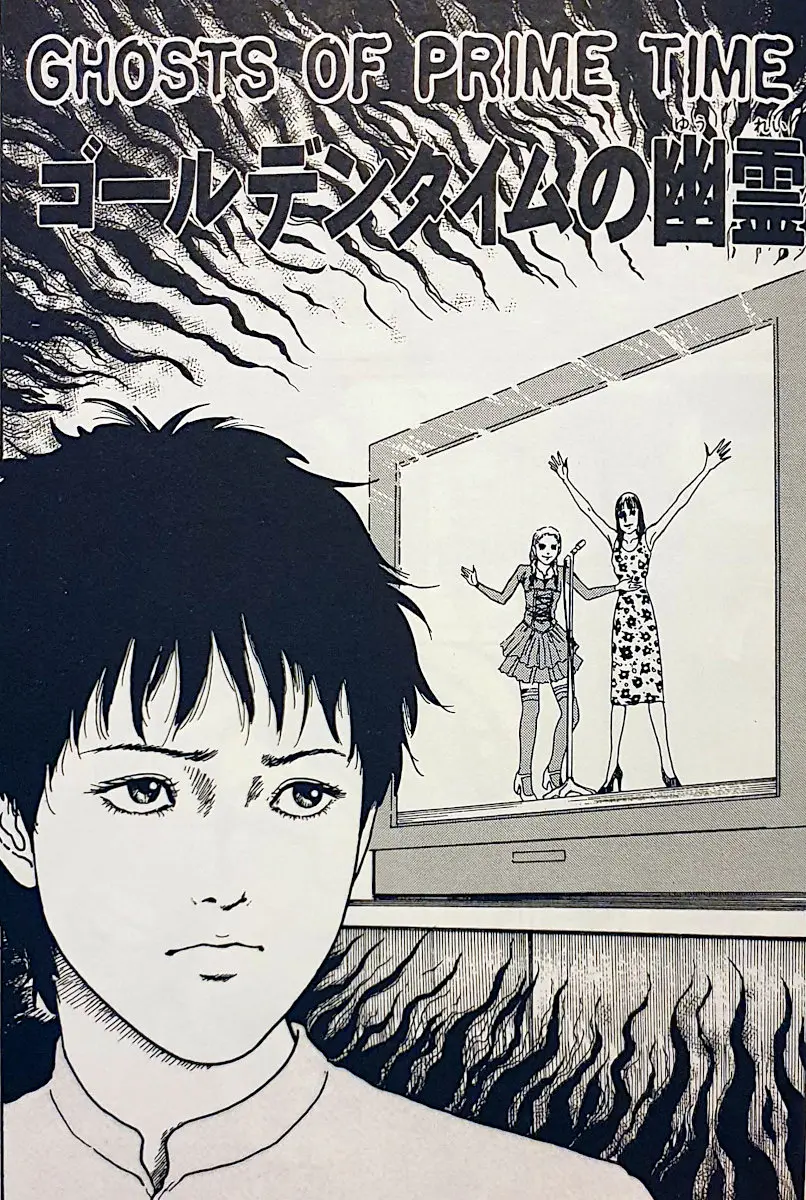

…but we’re makin’ things happen with our comedy. We’ll take control one o’ these days!!
Tasogare Kintoki says some strange things during their comedy routine
Keisuke and Tsuguo are two friends talking in a small cafe. Tsuguo is an every day regular young man, whereas Keisuke is more withdrawn and “gloomy”.
Tsuguo tells his friend of a story of a recent local killing of an obscure comedian. The comedian was found in the street with an expression of equal parts suffering and laughter.
Later that day, the two friends go to a local comedy club – Tsuguo wanting to cheer Keisuke up – to see the comedy lineup. One of these acts in the line up is the aforementioned duo Tasogare Kintoki.
Tasogare Kintoki are objectively bad at comedy. Their jokes fall flat and most of their banter is regarding how they will one day “make it big” and live in a mansion. A very strange double act indeed.
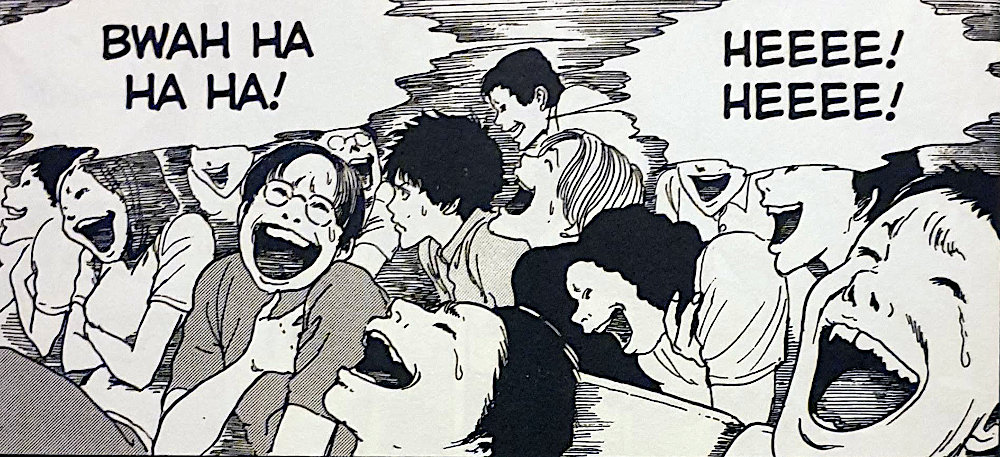
However, after a few moments of complete silence with the odd whisper, one audience member begins laughing uncontrollably. And then, just as Tsuguo comments on this strange occurrence, another person does the same. The effect starts to repeat through the audience until the entire club is in a vicious roar of laughter. That is, everybody except for Keisuke.
There is no doubt that something is not right in that comedy club, but what is it? Keisuke is the only one not affected, but what does he have that the others don’t? And what might Tasogare Kintoki do when they realise that there is one person seemingly immune to their unique brand of comedy? Their sinister grins promise a future of pain and torment.

Some spoilers below
Horror and Comedy are very closely related. Both genres have a willingness to go over the top with absurdity and exaggeration. While comedy uses it’s exaggerations to poke fun and make its audiences laugh, horror conversely uses it’s own to scare and unsettle its audience.
But what’s often more interesting, at least to me, is when an artist manages to combine the two into something often greater than the sum of the parts. Many people often cite Quentin Tarantino’s famous ear-cutting scene in his first major film, Reservoir Dogs. (Despite never actually seeing the cutting itself, audience members still tending to look away)
What I think Junji Ito has managed to craft here though, is a different way of blending horror and comedy. Instead of taking the elements of both genres to make his story a “horror comedy”, he has actually taken horror and made it infect the comedy inside the story. I am referring to the fact that the laughter and enjoyment apparently felt by Tasogare Kintoki’s audience, is in fact the direct result of the phantoms/ghosts that they project out into the crowd.
I think the blending of genres is always interesting to see. But I especially liked here how Junji Ito hasn’t necessarily blending the genres together. He has instead kept this as a horror story, but used the comedy within the narrative as the vehicle for that horror.
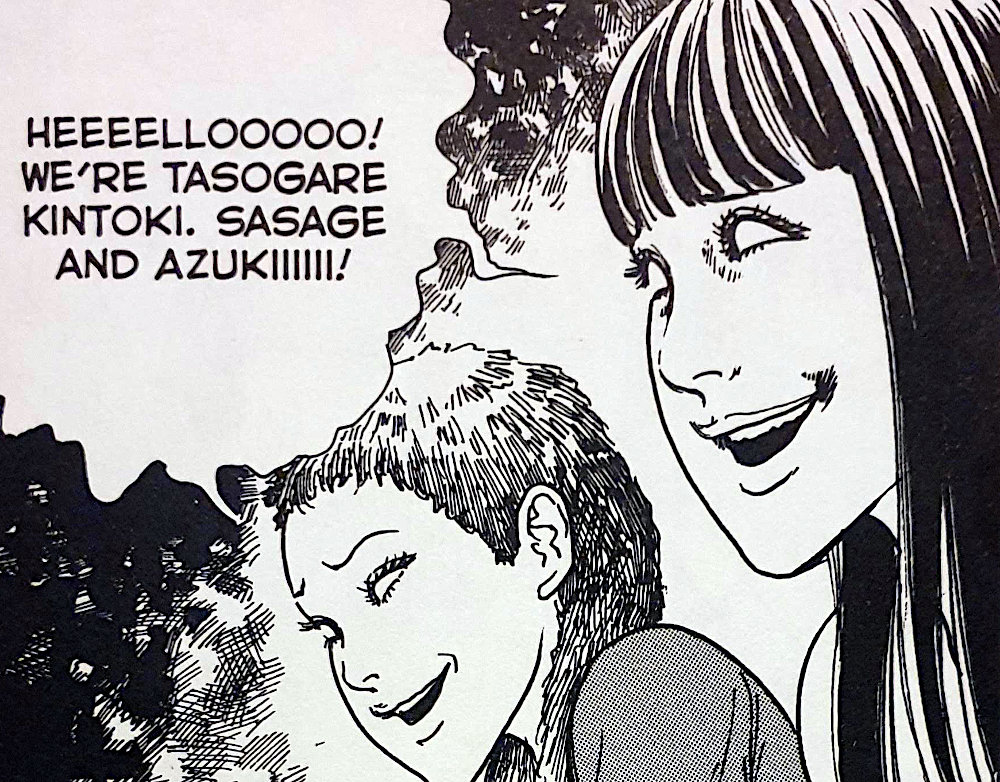
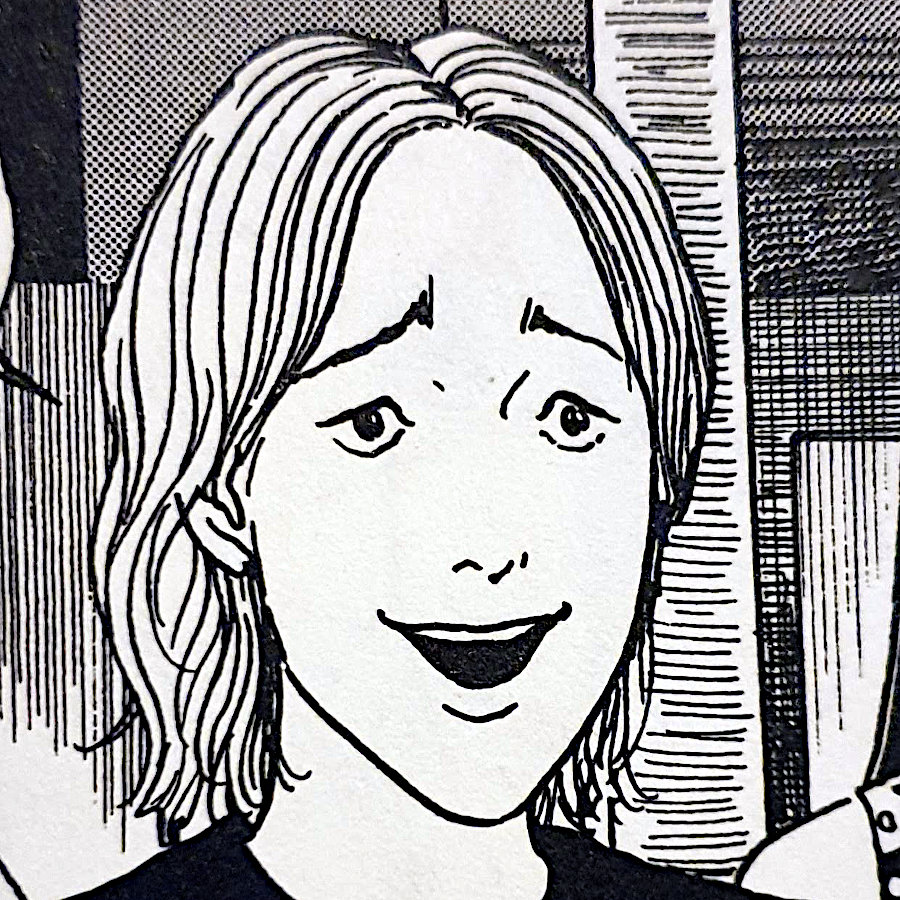
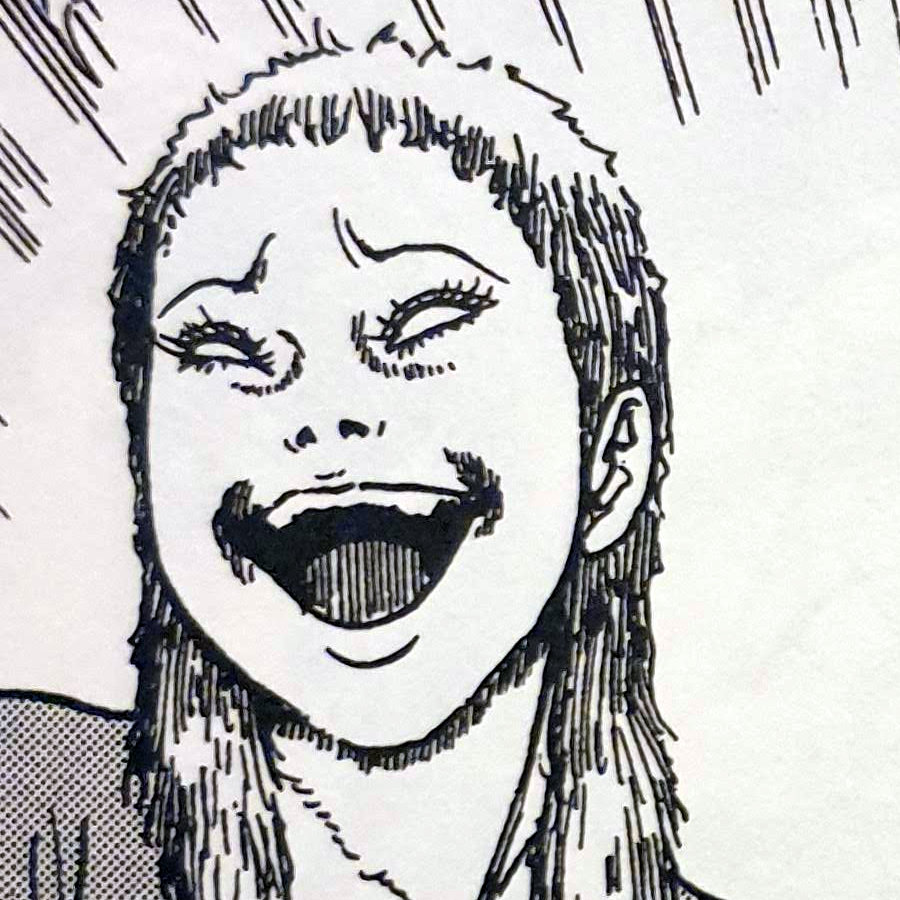
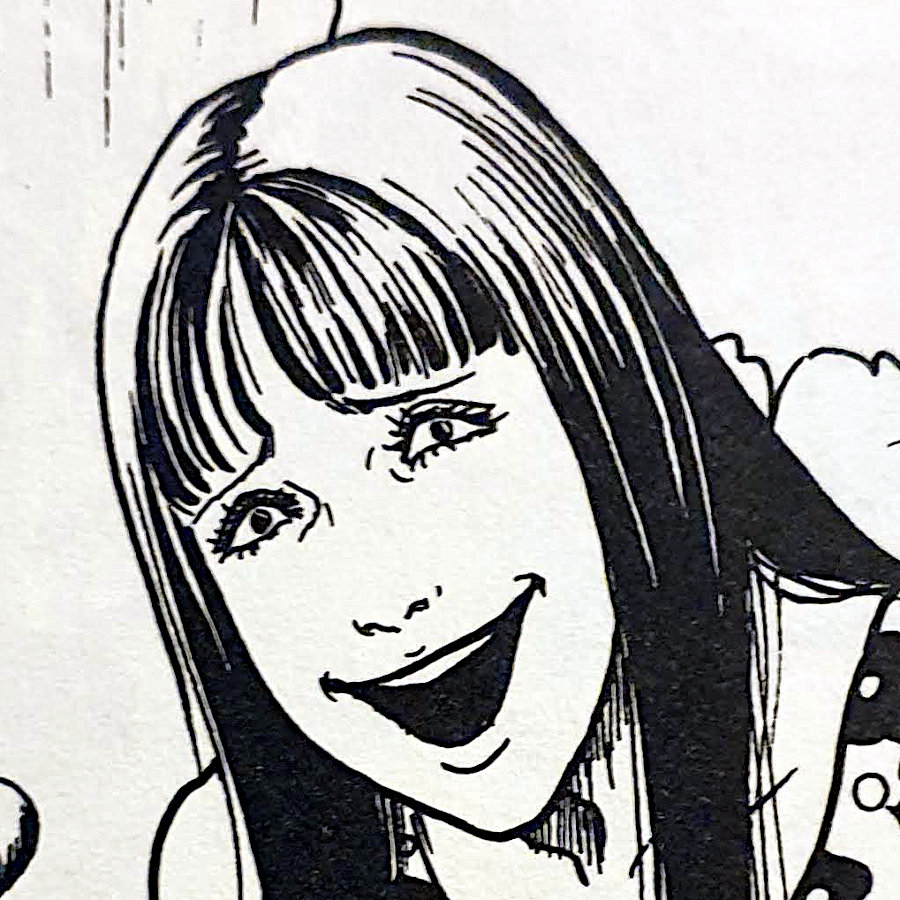
Junji Ito has always been an artist who draws great facial expressions. Especially faces of pain and obsession. In Ghosts of Prime Time, he has on display some brilliant faces of extreme laughter and, of course, pain.
The first example is actually on the very first page — the story of the obscure comedian who is found dead in the street. The close up of his face does indeed show laughter at the time of death. But so to it manages to put across pain and suffering from, I believe, the completely white eyes and taught muscles around the neck and face.
And I can’t mention the faces in this story without mentioning Tasogare Kintoki themselves. Their expressions always that of faces on the cusp of laughter, sometimes without pupils in their eyes. Almost like they are being possessed at times. And despite their smiles, they are always projecting a sinister intent towards all those who see them.
Keisuke definitely takes on the role as the sane compass centre in Ghosts of Prime Time. He reminds me a little of Shuichi in the Uzumaki collection. Whilst all the craziness is going on around him, he seems to stay grounded and be able to look objectively at those things.
Just as Shuichi seems to be able to detect and know of the spiral’s control within his town, so to does Keisuke in his town. He can see the spirits that leave the bodies of Tasogare Kintoki to tickle the audience into submission. He knows they are not to be trusted and warns his friend of that.
I think these sorts of grounded characters are important to these stories. Without them we would just see the events unfold with no-one really to fight back. But Keisuke does fight back — and with gusto.

I really love Ghosts of Prime Time. It doesn’t seem to be as well known or regarded as Junji Ito’s more popular stories like Tomie or The Bully, for example. But I want to change that! This story is, as are most of Ito’s works, wholly unique.
I believe this one would be a perfect first story of Ito’s to read if you were looking to get into his stuff. Especially if you wanted to avoid the kinds of body horror that come with so many of his more celebrated works.
And believe me when I say that it will become a journey for you. Because once you have read this story, you will most likely want to start exploring his other great works too.