A Wry Smile
This website is 100% maintained and written by a human bean. AI is NOT WELCOME HERE.
The word Fediverse comes from the joining of the
words “Federated” and “Universe”. It encompasses web-based social
software that is inter-operable through open protocols1 and gives each person full control over their own website and data.
(of a country or organization) set up as a single centralized unit within which each state or division keeps some internal autonomy.
Modern social technology, for the most part, revolves around huge
central areas of power. Places like Facebook, Twitter, Snapchat, Google
have become household names. But these sorts of companies are not
conducive to a free and open world.
These central powers monopolise much of the communication between
people and fully own and control the data that they collect from said
communications.
Not only do they own that data, but it is their core business models
to learn as much as possible about us and monetise that data for their actual customers – their investors2.
Not only is this dangerous to a free and open world, and along with
it freedom of speech, but it also strips people of their control over a
huge portion of what it means to be a human being on the planet Earth
today – their personal data.
Data about people, is people.
Aral Balkan, Cyborg Rights Activist
The Fediverse tips the current digital social system on its head, by
enabling people to take back ownership over their digital selves. With
certain services that are available, you3
have the ability to choose alternatives to mainstream technology – you
have the ability to take back control, as these federated services have
decentralisation built into their core.
This decentralisation removes the giant centres we’re used to seeing,
leveling the playing field and giving each person an equal place from
which to speak.
Yes, you would need to set up your own installation, or have somebody
with the know-how you trust do it for you. But once you have that
freedom with your very own digital home – that you truly own and control
– it’s very liberating.
Let’s use a service called “Mastodon”
as an example here. Mastodon is often described as being a federated
Twitter, which it is, but I think it’s important to really hammer home
what that actually means. And the principles I will describe here apply
to many other types of federated social sites. For example: Peertube – a federated youtube contender; and Pixelfed – a federated Instagram clone.
It’s also worth saying that when we say something is a federated version
of a current site, that current site has zero to do with them – it is
just a way for people to grasp what the given federated site offers by
way of general features.
Mastodon is not just a single website. It is an open source project that can power anybody’s website.
Me trying to explain mastodon in a single line.
If I have my own installation of Mastodon (each installation is known as an Instance,
by the way), then I have my very own Twitter-like website where I can
share my thoughts and images with anybody who would care to read them.
And if you had your own instance of it, you could do the same.
For example, if:
We would be at completely different web addresses. However, we would
still be able to communicate with one another, thanks to the way that
mastodon works. (In comparision, everyone who uses Twitter goes through https://twitter.com.
So talking to one another there takes place in Twitter’s house, as it
were). With federation, the communication is done so between the people
involved; from their own homes.
What makes the Fediverse federated, is its ability to enable people to have their own self-controlled instance of a service and still be able to connect with other people as we have come to love4 about Twitter et al. And imagine that, but with thousands and thousands of instances – all able to talk to one another.
It’s going to be a long hard road out of our current situation, but it all starts here – in the Fediverse.
And it doesn’t stop there.
A big tennet of federated services, is that there are no lock-ins to any particular one.
Earlier on I mentioned some other federated services – Peertube (for
video sharing) and Pixelfed (a federated version of Instagram). Let’s
suppose that I have a friend who has an instance of Peertube, where they
share video reviews on, let’s say the Australian soap “Neighbours”. And
let’s suppose I wanted to get updates from that friend, but I only have
my own Mastodon site. Wouldn’t it be cool if I could follow his
Peertube site, but from my Mastodon?
You already know what’s coming doing you? 😀
You can!
For example, I can follow a content creator from their own instance
of Peertube, and have their messages come through in my mastodon feed.
This is the exact opposite of how we are currently used to seeing online
services. The big social networks have lock-ins to their own walled
gardens – the Fediverse is a huge open park where people can choose to
travel through it any way they wish.
The beauty, and extra special powers, of the fediverse is that it
isn’t limited to a single service. The underlying protocols (ways that
the sites communicate) are designed in such a way that they can be used
by any service that wishes to implement them. And those messages still
go from person to person – there is no central authority to trust and /
or fear.
Right now, it is hard for none-tech people to get up and running with
their very own instance of a chosen service. This is the fediverse’s
biggest hurdle right now in my opinion, but it is still early days and
hopefully things will get easier with time.
That being said, there are numerous community-driven instances of
services that allow you to register on. This does go against that idea
of self-control and ownership that I have been talking about somewhat.
However, we all have to start somewhere and joining a popular community
instance is a great way to try it out and even discover new friends.
Plus, once you are comfortable in the Fediverse, there is nothing
stopping you from starting your own instance later on down the road,
should you have the technical knowledge or someone to help you do so.
If you would like advice, I’d be happy to help where I can. Email me at mail@davidpeach.me.
I hope you, after reading this, will give the fediverse a try for
yourself. This is freedom of speech at its best on the web right now,
and I encourage you to give it a go for yourself. And if / when you do,
come and say hello: https://mastodon.davidpeach.me
The fediverse is an agreement that the people who use social services
online, indeed the entire web, should be in full control and ownership
of 100% of their data. They should be free to be who they want to be,
without being beholden to huge conglomerates whose only bar for success
is profit for renting access to peoples private data.
Come on over and say hello.
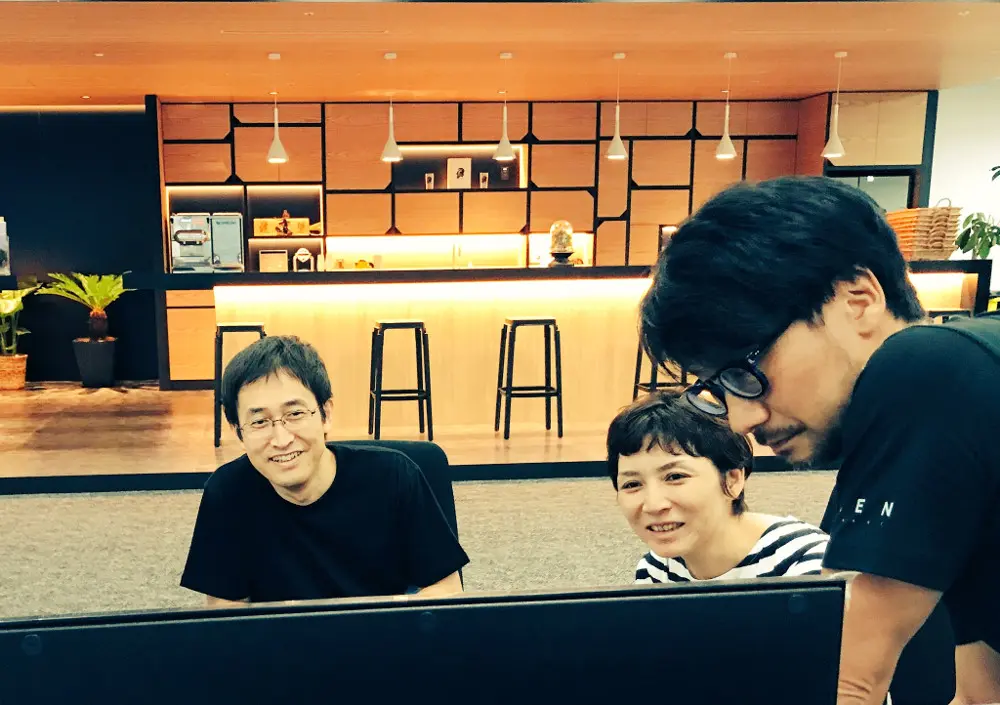

This picture is one of the most exciting pictures I’ve seen in a while. On the surface it is just three people looking at something on a computer monitor. However, for those who know and enjoy two of these people’s work, it is something to shout home about.
The guy on the left is Junji Ito – horror manga legend and instrumental in bringing the genre to modern mainstream attention. I enjoy horror manga very much and Junji Ito is one of those authors whose work I actively search for. His art style is instantly recognisable and has created some of the most memorable and terror-inducing images and stories.
His most well known stories are probably Uzumaki, Tomie, and Gyo. Each masterpieces in their own right and serve to solidify Ito’s position at the very top of his game. His stories, especially those mentioned, work within the horror sub-genre of ‘Body Horror’.
The guy on the right is Hideo Kojima. Kojima is a name well-known and highly respected within the gaming community, and indeed the wider community of action and story telling. He is the man responsible for the Metal Gear Solid series whose reputations really do precede them.
Each of the games of Kojima’s that I have played I have fallen in love with. The first two Metal Gear Solid games, the first on the Playstation and the second on the Playstation 2, were such important games to me growing up, with me being about fifteen years old and eighteen years old respectively when they were released.
These games were some of the most memorable gaming experiences that I have ever had and have definitely stayed with me to the present day.
To have both of these people present in the same photo, apparently reviewing something together in an office, s exciting. The had previously been working together on what was going to be a new Silent Hill game. The very thought of that even being a possibility is cause enough to lose your shit over. Junji Ito’s twisted and macabre creations within a world created and directed by Kojima…
…But it was never to be. Silent Hills, as it was called, was cancelled and they both went their separate ways. And that was that…
…Or was it?
Death Stranding is the game that Kojima and his team are currently working on, which is exciting in itself. However, when you take the recent image above and consider the very real possibility that the two masters themselves could in fact still be working together, whole new levels of awesome enter into the mix.
Original source of image here.
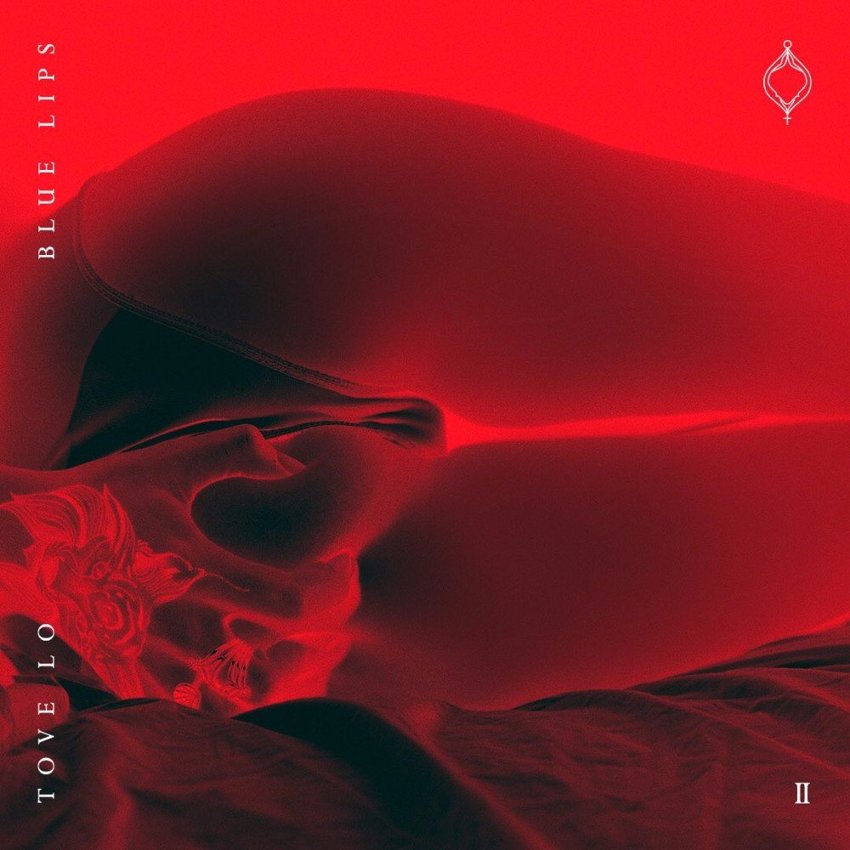
Lady Wood was one of my favourite albums from last year and still gets regular plays in my headphones. I was excited to say the least when I heard about Tove Lo’s follow-up Blue Lips [Lady Wood Phase 2].
This album felt more akin to the sweaty underground night clubs I imagine with her music. The kind of clubs where people are pressed tightly together; almost tasting each other’s sweat. The previous album had these moments but Blue Lips felt like these aesthetics were brought more into the foreground. The album’s intro and following lead single, ‘Disco Tits’, gave me the impression that a more deep bass / drum-driven collection of songs were contained.
There was a song from Tove Lo’s short film Fairy Dust, specifically the closing scene… that closing scene, that I didn’t recognise at the time. So I loved it when that very song, ‘bitches’, came punching through my headphones to close off this album’s first half.
Although I like a good punchy beat-driven album now and again, I was relieved when I heard ‘Don’t ask don’t tell’, the album’s fifth track. It’s proof that she knows, as she sings on Disco Tits, how to dial it back. ‘Don’t ask don’t tell’ is more focused on her beautiful vocals and the direct message of acceptance she’s delivering to her other half in the song.
And baby, don’t ask, then don’t tell
Already know you’re fucked up
And it’s cool with me
My past and don’t ask and don’t tell
No need to share too much
Come on, let it be, ah (and baby)dont ask dont tell – Tove Lo
This feeling is continued later in the album with the reminiscent ‘9th of October’, which actually started life as a poem that Tove wrote on her Birthday. This, along with the album’s closing track, ‘hey you got drugs?’, are two of my favourite songs from the album.
As I’ve come to expect from Tove Lo’s work, there is a high degree of sexual content in these songs. She’s definitely an artist who goes to places that other artists I listen to don’t. She’s not afraid of exposing herself, both physically and mentally, for her art and I respect that. I say that, not as a pervy guy just looking for filth, but as someone in admiration for her honesty and close to the bone approach to music.
Singers often sing about sadness; happiness; fear; love. But very rarely do they venture into the realms of the sexual. This too is an important part of what it means to be human, so why shouldn’t artists explore these issues too? Tove Lo seems to make up for the more reserved artists by spending a good portion of her album there.
As great an album as I have come to expect from Tove, following her Lady Wood. Blue Lips is the continuation of her exploration and revelations in her relationships and the emotions they bring. Although I didn’t find this album as accessible initially, I still love to listen to it when the mood hits me right. And don’t take me to mean less accessible as a bad thing – it’s not. I just find Lady Wood a lot easier to listen to at any time, whereas Blue lips has its time and place for me.
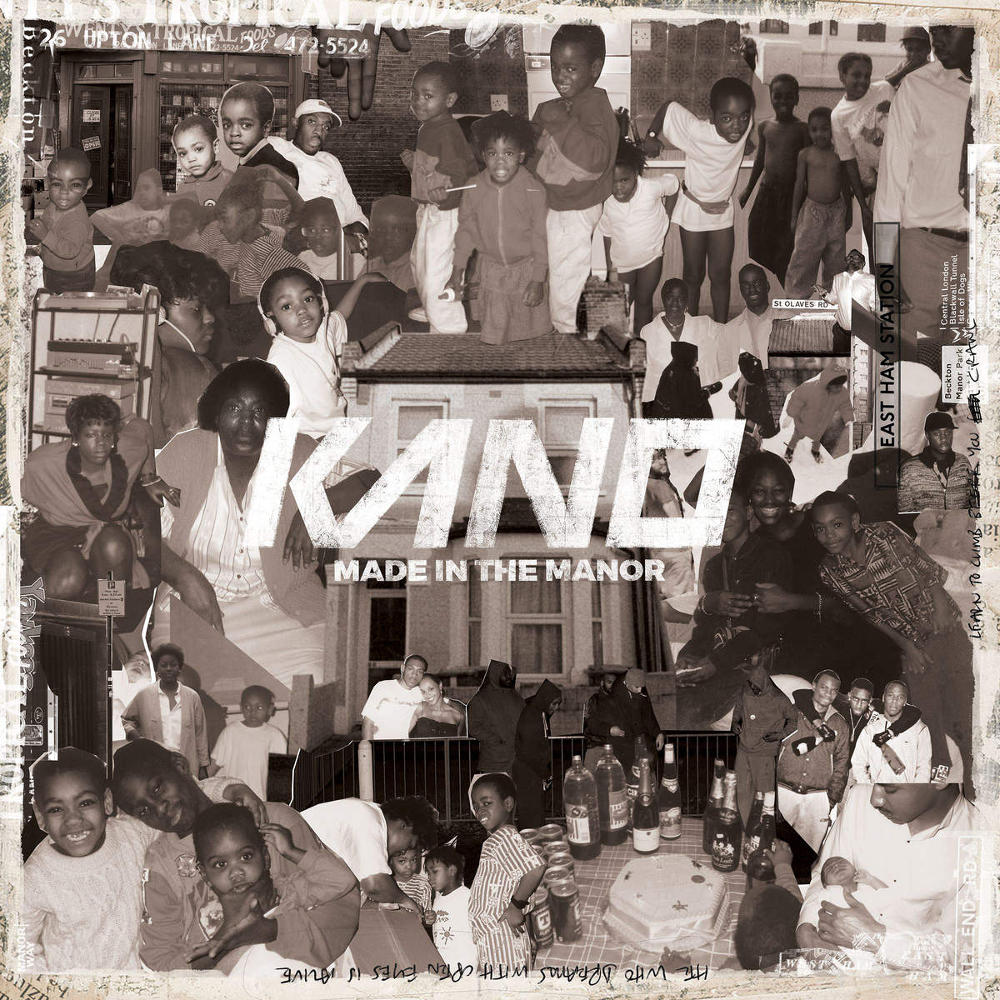
When it comes to UK rap music, few are revered in quite the same way as Kano is. Present in the Grime scene from the early days, he has had five studio albums to date. Made in the Manor is his latest and stands up, hands down, as one of the best rap albums I’ve heard.
This is definitely an album that has grown on me over time. The opening songs grabbed me instantly but the later, more introspective, songs took a bit longer to get their hooks in me. But now that they have, they get better and better with every listen.
The opening of ‘Hail’ – the album’s first song – is sharp, loud and aggressive. This whole song is unrelenting throughout and Kano’s delivery is right up in your face forcing you to stand up and listen. The chainsaw melody that carries us along is later joined by the best sample i’ve heard for a long time. The sample is of Tempz, from his track ‘Next Hype’:
(CLEAR!) All of your CD rack
Won’t get none of your CD’s backNext Hype, Tempz.
Some manner of respite comes with the next song, ‘T-shirt Weather in the Manor’, which brings with it a calm piano melody and light drumming. Kano’s vocals are no less commanding on this song with the lighter accompaniment.
‘New Banger’ and ‘Three Wheel Ups’ bring that in-your-face energy back in spades with some great featured rappers. Giggs and Wiley both feature on ‘Three Wheel Ups’ and do an excellent job of supporting Kano. Even D Double E can be heard in parts doing his signature “ooooh”.

‘This is England’ was the song that made me first sit up and take a closer look at this album. The various layers and production on this song made me realise that this album was something special. Like Charlie Sloth said in Kano’s 1 extra, this feels like a seminal record.
There were two songs that stood out to me for just how personal and confessional they sounded. ‘Little Sis’ and ‘Strangers’ feel like personal monologues directed to a sister and brother respectively. Although these songs initially didn’t grab me as his big tunes did, I have since come to enjoy them both in a whole different way.
When I first got into Kano all I wanted to hear were his big tunes – they are so addictive. But now that I’m in the habit of listening to Made In The Manor front to back, these more personal songs fit perfectly with the overall flow.
From the family you’re born with to the one you choose : all of the guest features on this album feel like they are done from a place of love. What I mean is, I imagine many rappers feature on other artists’ tracks for the chance of exposure. I could be wrong about that but it does make sense. On Made in the Manor, however, each feature feels like it is Kano and his close friends, who are just making great music together.
Whether you think you are a fan of rap or not, I urge you to listen to Made In The Manor regardless. There is so much variety in this album that I truly believe there is something for everyone. He delivers the fast-paced heavy hitters with a great level of confidence and Authority. And he delivers the more introspective songs with an honest sincerity.
Don’t be a statistic blaming ghetto physics for holding you back.
a great line from the song ‘Seashells in the East’
Along with others like JME, Akala, and Devlin, Kano is up there as one of my favourite rappers. Like those others, Kano’s sense of humour comes through in both his lyrics and his unique delivery.
He never rests on his laurels either. He could have easily delivered an hour of quick-witted, fast bars throughout and fans would have been very happy. But with Made in the Manor he has pushed himself further, whilst looking deeper within. As a result, Kano has come out the other end with a true masterpiece of an album. Not just in rap, but in all music.

The Midnight are a two-piece synthwave band consisting of songwriter Tyler Lyle and producer Tim McEwan. They are from the American deep south and Denmark respectively. However, they now both live in Los Angeles and make some of the coolest music of the past few years.
They are well respected, often revered, within the Synthwave community. Their music is awash with eighties retro sensibilities and an innate ability to bring back the parts of that era we often see through rose-tinted glasses.
Nocturnal is the third full album release by The Midnight and is as strong an album as I have come to expect from them.
We open the album with footsteps on a rainy Los Angeles street. The sirens in the background and the initial synth pads that swoon in gave me similar feels to Sarah Connor before ducking into the Tech Noir. I wasn’t to know just how close to the Terminator we were going to come with this album – more on this in a moment. This first song, ‘Shadows’, is a steady beat and synth driven tune that soon showcases singer Tyler Lyle’s awesome, almost vulnerable feeling, vocals. And you best believe there is a little bit of Saxophone sprinkled in there too. This song brings you straight into the era they are shooting for with style.
It was great to hear Nikki Flores’ return after her previous collaboration with The Midnight on the previous album’s hit ‘Jason’. This time she takes the microphone for ‘Light Years’, her voice pairing perfectly with Tyler’s. Meanwhile on ‘River of Darkness’, we are treating to a different kind of collaboration. Fellow Synthwave artist Timecop1983 helps out in the production of ‘River of Darkness’, creating a stunning mid section to the album.
‘Crystalline’ is most definitely one of the stand-out songs for me on this album. It was also the first single to be shown off from Nocturnal. The vocals continue with their dreamlike delivery as we are led into what can only be described as a head nod towards Phil Collins. The drum fill that thrusts us into the wailing Saxophone solo, sounds wonderfully inspired by those infamous beats from ‘In The Air Tonight’.
The title track on this album feels like a love letter to Brad Fiedel – the composer from the Terminator. The song begins so close to one of the most iconic film themes ever written. The iconic theme I speak of is the main theme from the Terminator. Again, as with the Phil Collins flavours on Crystalline, these Terminator-esque beats are merely a jumping off point. The song soon blossoms into its own deep synth bass/beat driven beast. Noctural also featured synthesizer sounds that sounded identical to ones used in the film.
These inspirations seem to come from a place of deep love and respect for the era and the artists. As opposed to simply being a popular retro vehicle for them to write on. It’s the delicate touches throughout this album that put it in the upper circle.
Even though Synthwave is one of my favourite musical genres, I don’t tend to write about it that often. This is only due to the fact that I think I’d end up repeating myself with most albums and artists. Most I’ve heard have been great, but there are those special few that warrant the time it takes. FM-84 are one such band, The Midnight are another.
Not once was I awoken from their retro spell during this album. When listening, you will be transported to an idealistic moment of the eighties – if you allow yourself. A moment pieced together from your own memories of films and tv shows of the time. Those memories then bound together with the beautiful music from Nocturnal by The Midnight.

I am a huge fan of both Meat Loaf and Jim Steinman. Their music, whether separate or in collaboration, has a special place in my heart. From the Bat albums to Welcome to the Neighbourhood; from Bad Attitude to Blind before I stop. Although the Steinman-penned albums are in a league of their own, I still enjoy Meat Loaf in his own right throughout his career.
Apparently there is a photograph somewhere of me singing along to Bat out of Hell when I was about four years old. In the photo I am seen sporting my own red hanky as seen in the music video. Rocking from an early age!
I am ashamed to admit that it has taken me a year from its release to actually listen to ‘Braver than we are’ in full. The reason for this is because on first hearing the album’s opener, ‘Who needs the young’, it just didn’t have that unique aesthetic I was expecting. After revisiting Steinman’s only solo album, ‘Bad for Good’ recently, I also decided to give this album another try – and I’m so glad I did. I didn’t give this album the time it deserved right off the bat (no pun intended).
I now present my thoughts on the album.
Meat Loaf has had full collaboration with Jim Steinman on four of his thirteen albums to date. The first, and most famous was Bat out of Hell from 1977. The album ‘Deadringer’ following in 1981 and is so underrated if you ask me. Then came Bat out of Hell 2 in 1993, which is an album that got me through my years at high school.
Now, twenty-four years later, I am discovering their fourth collaboration – the unashamedly epic ‘Braver than we are’. As soon as I heard the news that Steinman and Meat Loaf were working together again I got all giddy like a school boy. And although it’s taken some time for me to ‘get it’ I’m now glad that I do.
The only thing more scary than a literal Bat out of Hell is the ongoing march of time. These two accept time’s weathering effects and embrace it completely in the music that they have created here. They made the conscious decision to not try and imitate what has come before – instead creating something new and fresh. In my opinion they have done this in spades.
Steinman is known for re-imagining and re-recording his music with different artists through the years. This album stays on par with that. However, many of the songs here I hadn’t heard before, as their roots can be traced back to his early musicals that I haven’t heard. Musicals such as The Dream Engine from 1969 and Neverland from 1977.
Saying that however, you may well recognise many melodies and chord progressions from earlier Meat Loaf albums. ‘Original Sin’ can be heard haunting the song ‘Loving You Is a Dirty Job (But Somebody’s Gotta Do It)’.
What I find really great about Steinman’s music is how it has stood the test of time, and has adapted through the years. As different artists have interpreted his works it has given the songs new dimensions. Hearing a well known lyric from the Bonnie Tyler song ‘Total Eclipse of the Heart’ during ‘Skull of your Country’, made me want to throw my fists in the air with joy. Cian Coey, who accompanies Meat Loaf in this song adapted its delivery beautifully and absolutely nailed it.
The album kicked into a more familiar gear for me with the second song: ‘Going All the Way (A Song in 6 Movements)’. This song is absolutely incredible in how it takes you to so many places in its eleven and a half minutes. It is as grand and as symphonic as I’d expected from Jim Steinman’s pen. Like the rest of the album, it gets better with each listen.
The two featured vocalists on ‘Going All the Way’ are worth mentioning here. Ellen Foley and Karla DeVito both feature, with the voices of both soaring high and wide across the song’s huge canvas. They were both featured on the studio and live versions of the classic ‘Paradise by the Dashboard Light’, respectively. So it was great for them to come together for this album after so many years have passed.
Souvenirs touches a lyric from Two out of three aint bad and a musical progression from ‘Left in the Dark’. It’s little touches like these that made the album feel like home on the first listen. And if I wasn’t in love with this album before the song ‘More’, then I definitely was afterwards. This song brought with it an almost John Carpenter accompaniment along with its deep chugging guitar work.
Braver than we are closes on the gloriously upbeat, rock n roll belter, ‘Train of Love’. Closing the album in true Steinman style: an anthem to those moments when you feel like you’re on the head of a match that’s burning.
Any fans of the grandiose lyrics and arrangements of Jim Steinman will not be disappointed with this album. Anyone expecting Meat to hit the same high notes as he did in his early days, take heed – he isn’t afraid to embrace his deeper voice in this album, and neither should you.
Meat Loaf is known for his operatic delivery and larger than life presence on his albums. But on ‘Braver than we are’ he isn’t afraid to reel it in. As he sings on ‘Who needs the Young’, his voice just isn’t what it was. And that’s okay. Even in the lower end of the spectrum he delivers with the same authority that I always remember him having.
The more I listen to this album, the more it feels like a goodbye from both Steinman and Meat Loaf. The usage of so many themes from earlier material made this album feel like a closing overture to their collaboration. Kind of like how ‘overture’ from The Who’s Tommy touched on that album’s later themes and riffs. ‘Braver than we are’ did this for me but on a grander, career-spanning scale. All of this in the waning era of some of the most powerful, passionate music I have ever had the good fortune to experience.

Bad for Good by Jim Steinman is one of my all time favourite albums. Less is known about his only solo album than his collaborations with Meat Loaf.
It’s a crime that more people aren’t aware of this album. I absolutely adore every song on here and if I had to choose some desert island discs, this would be on there. Other artists, who have worked with Steinman, have been able to do versions of some of these songs. But for me nothing comes close to this grand, hugely personal collection.
Bad for Good, the eponymous opening song, kicks the album off with pure fire. It encapsulates the things that Jim is so great at: intense, energetic musical passages; huge, expertly-woven orchestrations; lyrics that paint epic pictures of passion, power and love. His lyrics read like poetry and are delivered with great conviction and authority. The speed change half way in, with the verse that follows it, is one of my favourite moments on the whole album. The whole song plays like its own self-contained, nine-minute opera.
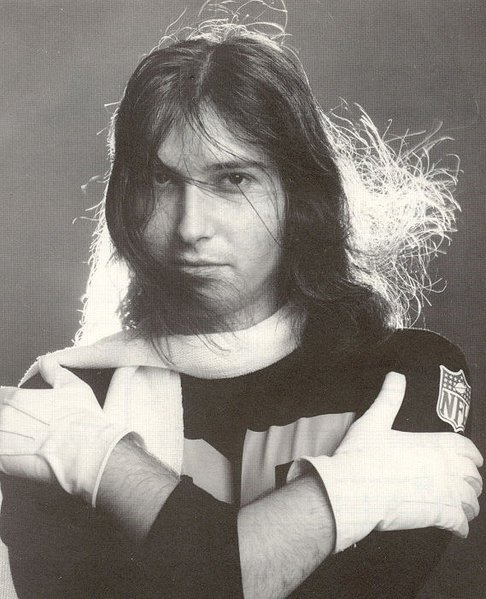
‘Lost Boys and Golden Girls’ is a much calmer piece, which I think is needed after that opener. Meat Loaf’s Bat Out of Hell 2 album used another version of this song in 1993. However, Jim’s version feels much more personal and stripped back to me. I love both versions but something about Jim’s rendition just pips Meat Loaf’s to the post.
‘Love And Death And An American Guitar’ is another track that was reused on Bat Out of Hell 2. Again, as with the previous song, this version is a lot more stripped back – with nice synth fills used to dramatic effect. It’s actually a spoken word piece that acts as an intro to the song that follows, ‘Stark Raving Love’.
‘Stark Raving Love’ and ‘Out of the Frying Pan (And into the Fire)’ both keep the energy riding high. As does a later song called ‘Dance in my pants’, a fun duet with Karla DeVito in a similar vein to Meat Loaf’s song ‘Dead Ringer For Love’ (also written by steinman).
Jim Steinman’s music has such energy and diversity to it and Bad For Good is the best possible showcase for those qualities. These songs never fit into a simple groove and just plod along. They are either melting your face off from fifteen different directions or are ripping your heart strings out with their gorgeous melodies and melancholic lyrics.
‘Surf’s up’ and ‘Left in the Dark’, two songs that slow the pace somewhat are such beautiful ballads. The latter is a heartbreaking, often angry ballad about a man aware of his lover’s infidelity. These lyrics taken from the song say so much more than I could by describing it to you:
But don’t tell me now, I don’t need any answers tonight
I just need some love so turn out the lights
And I’ll be left in the dark againLeft in the Dark, Jim Steinman (from Bad for Good – 1981)
The album closes with the huge-sounding orchestral instrumental, ‘The Storm’. This piece wouldn’t be out of place as an overture for a huge opera production. And it serves further show just how diverse this man’s music is. It’s moments like this that make me wish that Jim Steinman was a prolific film composer. His operatic and, quite frankly, epic visions for music would do cinema so must good.
Bad for Good is a golden nugget of an album. It’s not very well known, even by many rock fans I’ve met, which is a shame. Whilst many may recognise his name from the front of Meat Loaf’s biggest albums, many more may not be aware of this solo album of his. I’m going to go on record and say that I believe this album is a cult classic – it demands to be listened to and appreciated by all.

Masseduction is the fifth album by alternative pop artist St Vincent – real name Annie Clark. It’s a showcase for her varied approaches to creating great music and never fails to deliver the goods.
I had no prior experience with any of St Vincent’s music before hearing Masseduction. Within the first couple of songs, certainly by the time I heard the eponymous track, I was hooked.
She displays a diverse range of styles that come through on this album, many of which echoed in my mind back to artists past and present.
I couldn’t help but get Alanis Morissette vibes from the album’s second song – the energetic ‘Pills’. ‘Pills’ is super catchy and could have settled in that groove for the whole song. But, in what I’ve now come to expect from her, she switches up the tempo and style two thirds in.
These changes, which happen in a few of her songs, are hugely effective and was really a gateway drug into St Vincent’s music for me.
Then once the title song ‘Masseduction’ dropped… I just lost my shit.
‘Masseduction’ is the album’s third song, and plays like a love letter to Prince. Everything from the song’s title; to the distortion-heavy guitar licks; and through the song’s funky beat. But in no way is it a cheap knock-off. On the contrary – since Prince, and other great heroes of music, have recently passed – we are in dire need of great idiosyncratic artists to stand up for good music. St Vincent is a part of that army.
The album continues through further belters, ‘Sugarboy’ and ‘Los Ageless’, that keep the energy up high without ever becoming tiresome. The music video for the latter enhances another aspect of St Vincent I find compelling – her visual style through the album’s artwork.
The artwork for this album seems to further support the sound she is going for. With its glossy, vibrant colours and sharp edges, but with cryptic imagery that conceals a deeper message beneath the shiny plastic.
The album closes its first half with the stripped back, and welcome, piano ballad ‘Happy Birthday, Johnny’. With the removal of nearly all instruments but for a piano along with her voice, we get up close and personal with her. This departure from the previously up tempo tracks serves to give an extra layer to her message. Here she is pealing back the shiny cover to expose the heart beneath. And the result with this song is a gorgeous ballad that tugs at those heart strings.
Just when I thought I’d heard her at her most energetic, along came ‘Fear the Future’ – a frantic piece backed by the craziest beats on the album. If I’m honest, the dance music style that is informing this song isn’t a style I would choose to listen to. And while it’s not nearly my favourite song on the album, Annie still makes it work within the context of this gorgeous, neon pick and mix of an album. (I have no idea what neon pick and mix means – I just thought it sounded cool in my head).
The album’s closing song, ‘Smoking Section’ is definitely my favourite on the whole album. It feels like one of the most personal of the collection too, with some real guts to it. The drum / low-synth fills that hit the song in two places, have such a deep guttural punch to them. These short riffs were reminiscent of something by The White Stripes to my ears. But just as soon as the one-two punches have landed, she switches the song up from melancholic to hopeful with the repeated lyric “It’s not the end”. Her voice fading into the ether as she does.
While never faltering from her own path, St Vincent manages to dip her toes into a good variety of styles for this album. I am completely mesmerised by every song and probably will be for some time to come. A lot of pop music is much of a muchness to me nowadays but people like St Vincent keep the flag flying for introspective, thought provoking music with hidden depths.
If you want to increase the overall quality of your music collection, then pick up Masseduction by St. Vincent now.
Every single regurgitated blog post I see about starting a blog always says the same thing – find a niche and focus on targeting it. This can be a toxic idea as it has the power to both limit you and paralyse you from writing.
I’m not saying you shouldn’t have a focus in your writing, just don’t let finding a focus stop you from writing.
My advice to anybody out there wanting to start a blog is this – just open a free WordPress.com account and get writing. I mention WordPress as it is cloud-based, free, and has the ability for you to export your posts when you are ready to move to a self-hosted solution.
Just start writing.
Even the process of setting up a self-hosted WordPress site can be danuting for new people, but that’s okay. You shouldn’t need to worry about these steps when you are just starting out.
I highly recommend that you do have a self-hosted website eventually, just don’t let setting one up hinder you from any writing you could actually be doing.
You don’t need to feel that you have to publish everything you write either. Just writing for writing’s sake is good for you. Obviously if you can share your thoughts and experiences with the world then that’s all good, just don’t feel you have to.

Roslyn Moore is back with her second desert opera, Tropic of Cancer.
I was an immediate fan of Roslyn’s as soon as I first heard her stuff on Soundcloud over a year ago. So the announcement of this new album did get me excited.
Tropic of Cancer is the new album by Roslyn Moore, which builds upon the material from her previous album Hazy. Those older songs – some of which have a different sound to them, coupled with 9 new songs – make for a deeper and darker Roslyn Moore experience on this album.
I’ll first address the elephant in the room. Yes, all of her songs from Hazy are on this new album but what you have to remember is, is that these songs have been available for free on Soundcloud since their release. With this, I tend to think more that she is working out her sound and albums in the public space. Kind of like if a painter uploaded her pictures in stages as she was painting them. The same emotional and ideological core, but each iteration building on the last into a stronger end piece.
There were a few songs that immediately stuck with me from Tropic of Cancer. These tended to be ones that sounded like she was experimenting with her sound.

Starting with the ebbing and flowing of quiet percussion, The Great Escape/15 Rounds was refreshing to hear from Roslyn. The percussion starts and stops with her spoken lyrics continuing, giving it a 50/50 mix of accapella and accompaniment. It gives the song a really interesting sound that is unlike anything Roslyn has done before.
Speaking of things she hasn’t done before – scaring the hell out of me is one of them. The last quarter of Hazy/Agents At The Ferris Wheel took a complete left turn into what I can only describe as a drug-induced, Industrial nightmare. I was nodding off to her calming vocals and this thing just hit me off guard.
It scared the absolute living shit out of me. Good job.
Probably my favourite on the album is a song called Coke&Weed. With its marching-band / jazzy / guitar-kissed infusion, this song has so many interesting parts to it that I keep going back for more. This song would sound so fucking awesome played live in the Road House on Twin Peaks.
You should think of Tropic of Cancer as more of a transformation from her previous album. All of the songs from her previous album, Hazy, are on here – but so too are 9 new songs. Not only that but some of her previous songs sound like they have been redone / remixed.
I love that Roslyn is still pushing her music forward, experimenting with new ideas, whilst still remaining true to her emotional centre. These songs are still soaked in a dark melancholy, only this time she’s coming at it from new angles and with new styles.
Her Tape #2 is a six-track E.P. released by ‘Her’ in April of 2017. This E.P. was one of those random finds that I now couldn’t imagine not having in my regular playlist. All of the songs on here are made up of an eclectic mix of instruments and singing styles, expertly woven together.
After a french-spoken introduction, ‘Blossom Roses’ begins with a soulful voice singing over a simple organ melody. The chilled out nature of this music just welcomed me into it like a huge wool blanket. Like the one my lady knitted for me at Christmas. The song soon flowers into what I can only describe as being influenced by Zero 7. ‘Blossom Roses’ was such a great escape from the monotony of my regular commute that I had to hear the whole E.P. before I started work that day.
The next song, ‘Queens’, mixes up the singing style from the previous and has an awesome little guitar riff throughout. Just with ‘Blossom Roses’, the song builds up brilliantly to its crescendo. ‘Queens’ gave me some vibes similar to the band Arcade Fire in parts.
‘Jeanie J’ helped the band’s knack for effective arrangement really sink in for me. Just like with the rest of the songs, none of the individual parts of ‘Jeanie J’ appear to be particularly complex, yet they come together to create a beautifully-arranged song.
If you find yourself with twenty minutes spare nad not sure what to do, check out Her Tape #2. After listening to it, it left me wanting another twenty minutes from them.